


Raymond Paige
Released Album
Orchestral
-

-
 October 26, 2010
 -
 December 16, 2008
Keyboard
-
 May 11, 2018
 -
 September 13, 2012
Opera
-
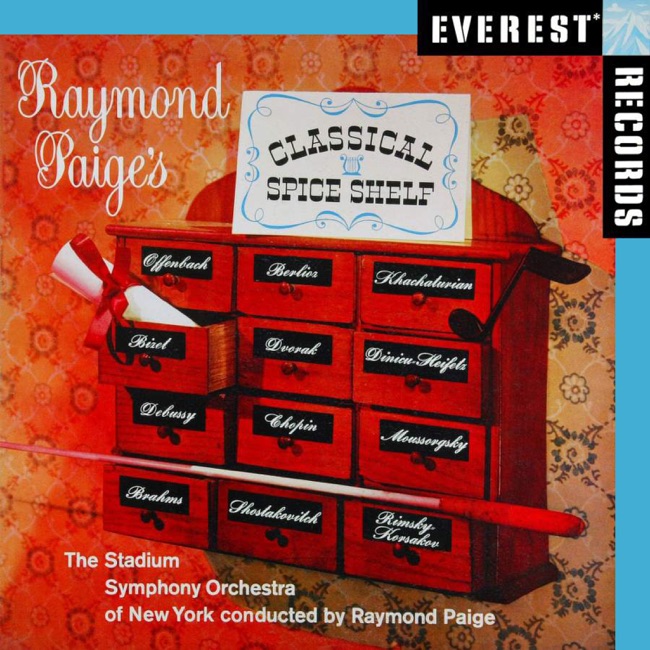 September 27, 1965
 -
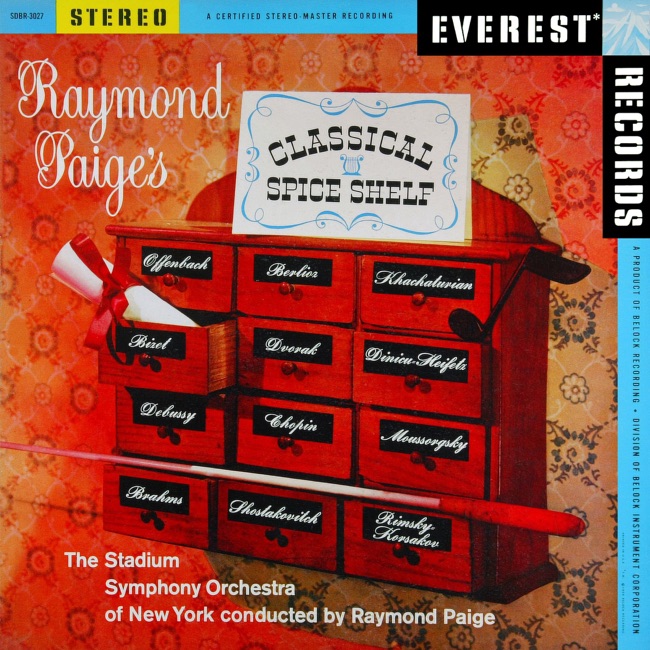 January 1, 1959
Artist Info
Role:ConductorPeriod:RomanticModernGenre:ChamberKeyboardOrchestralRaymond Paige was a renowned American conductor and composer who made significant contributions to the world of classical music. Born on February 22, 1902, in Wausau, Wisconsin, Paige showed an early interest in music and began playing the piano at a young age. He later went on to study music at the University of Wisconsin-Madison, where he received his Bachelor of Music degree in 1924. After completing his studies, Paige began his career as a conductor, working with various orchestras and ensembles across the United States. In 1926, he was appointed as the conductor of the newly formed WGN Symphony Orchestra in Chicago, where he gained widespread recognition for his innovative programming and dynamic performances. In 1930, Paige was appointed as the conductor of the NBC Symphony Orchestra, a position he held for over a decade. During his tenure with the orchestra, he conducted numerous broadcasts and recordings, including performances of works by Beethoven, Brahms, and Tchaikovsky. He also collaborated with some of the most prominent musicians of the time, including Arturo Toscanini, Leopold Stokowski, and Sergei Rachmaninoff. In addition to his work with the NBC Symphony Orchestra, Paige also served as the conductor of the Hollywood Bowl Orchestra from 1936 to 1942. During his time with the orchestra, he conducted numerous concerts and recordings, including performances of popular works by composers such as George Gershwin and Cole Porter. Paige's career as a composer was also noteworthy, with many of his works receiving critical acclaim. His compositions ranged from orchestral works to chamber music and included pieces such as his Symphony No. 1 and his String Quartet No. 1. Throughout his career, Paige received numerous awards and honors for his contributions to the world of classical music. In 1941, he was awarded the Gold Baton by the National Association of Broadcasters for his outstanding contributions to radio broadcasting. He was also awarded the Ditson Conductor's Award in 1942, which recognized his achievements as a conductor and composer. One of Paige's most notable performances took place in 1942, when he conducted the NBC Symphony Orchestra in a performance of Beethoven's Ninth Symphony. The performance was broadcast live on radio and was heard by millions of listeners across the United States. It was also recorded and released on vinyl, becoming one of the most popular recordings of the work. Paige's career continued to flourish throughout the 1940s and 1950s, with numerous performances and recordings with various orchestras and ensembles. However, in 1953, he suffered a heart attack while conducting a performance with the Hollywood Bowl Orchestra. Although he recovered from the incident, he was forced to retire from conducting due to health concerns. Despite his retirement from conducting, Paige continued to compose music and remained active in the world of classical music. He passed away on December 20, 1954, at the age of 52, leaving behind a legacy of innovative programming, dynamic performances, and exceptional compositions. In conclusion, Raymond Paige was a highly influential figure in the world of classical music, known for his innovative programming, dynamic performances, and exceptional compositions. His contributions to the world of classical music continue to be celebrated and remembered today, making him a true icon of the genre.More....
Recent Artist Music
2

3:7
3

6:15


9
2:39

Copyright Ⓒ 2013 Davinci Finger. All rights reseved
Service Terms & Policy