


Samuel Rousseau
Released Album
Keyboard
-
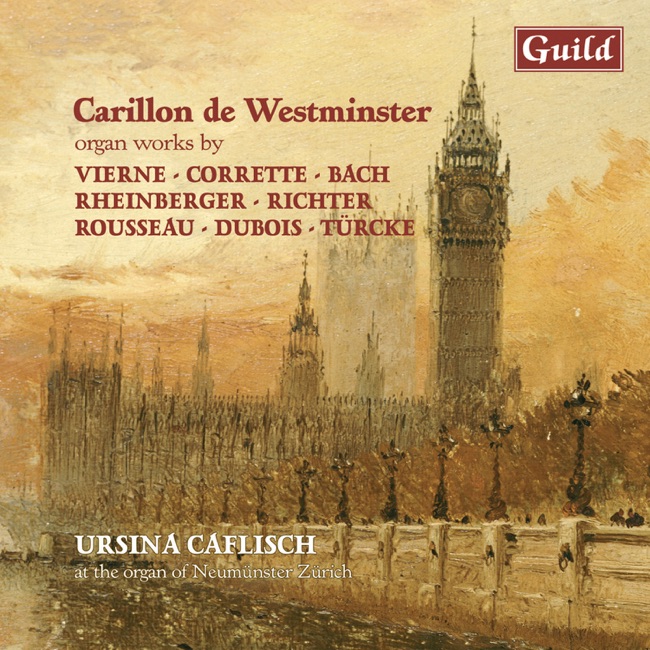 March 8, 2011
 -
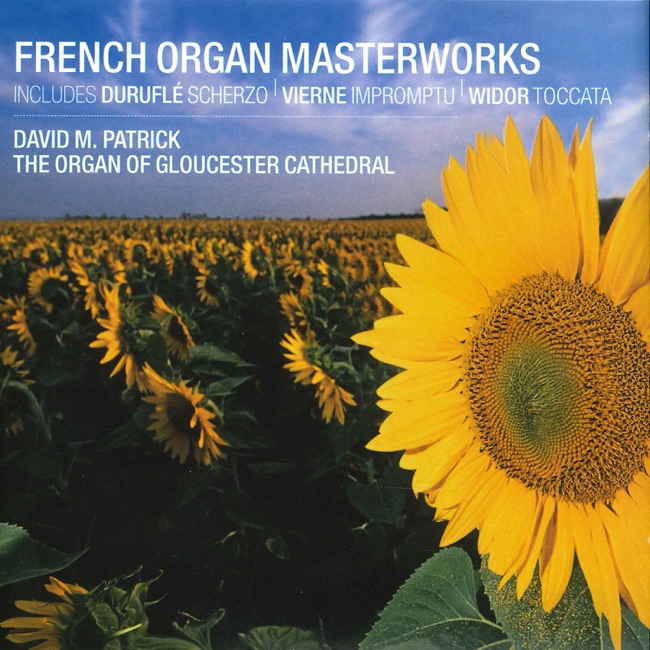 June 5, 2006
 -
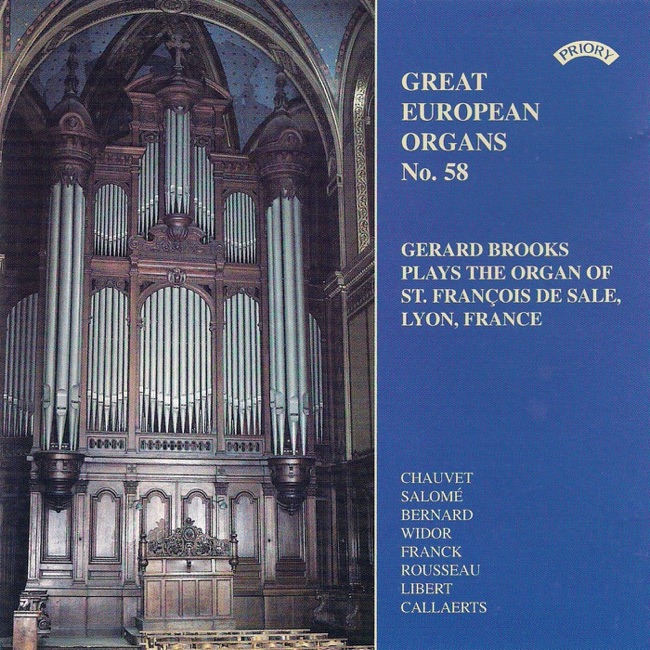 June 26, 2001
 -
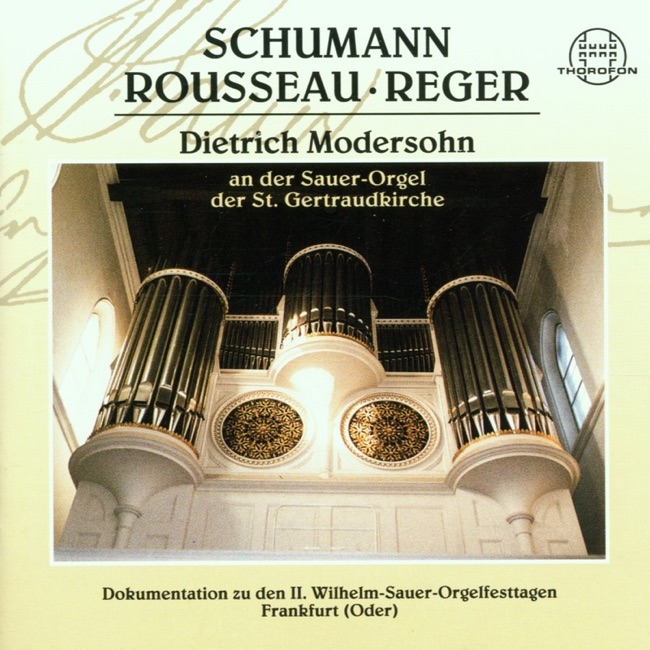 September 30, 2000
Chamber
-
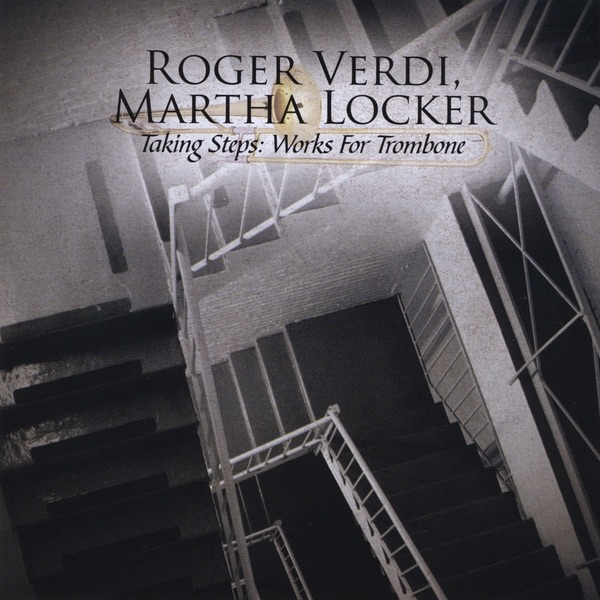 January 31, 2009
 -
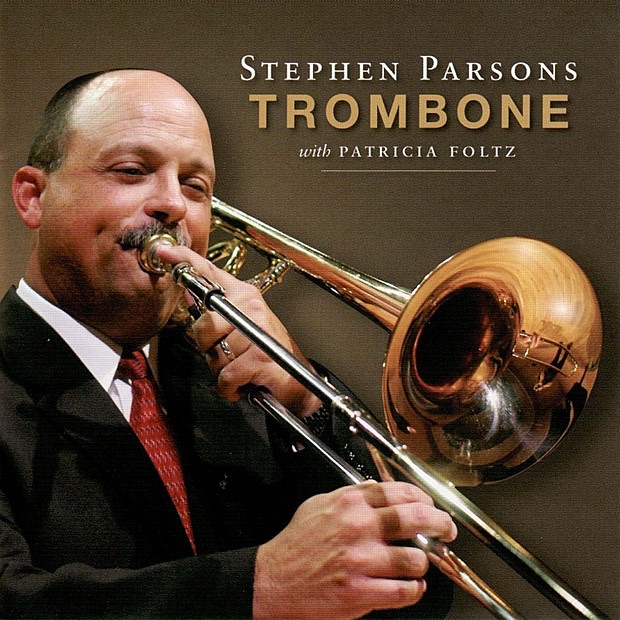 November 11, 2008
Artist Info
Role:ComposerCountry: FranceBirth:1853Death:1904Samuel Rousseau was a French composer and music educator who lived from 1853 to 1904. He was born in Lille, France, and showed an early interest in music. His father was a music teacher, and Rousseau began studying the piano and violin at a young age. He also showed a talent for composition, and began writing his own music as a teenager. Rousseau went on to study at the Paris Conservatory, where he was a student of Jules Massenet and César Franck. He won several prizes for his compositions, including the prestigious Prix de Rome in 1878. This prize allowed him to study in Rome for several years, where he continued to develop his skills as a composer. After returning to France, Rousseau began a career as a music educator. He taught at several institutions, including the Paris Conservatory, where he was a professor of harmony and counterpoint. He also wrote several textbooks on music theory and composition, which were widely used in French music schools. As a composer, Rousseau was known for his use of traditional forms and techniques, combined with a modern sensibility. His music was often characterized by its lyricism and emotional depth, as well as its technical sophistication. He wrote in a variety of genres, including opera, orchestral music, chamber music, and songs. One of Rousseau's most famous works is his opera Le marchand de Venise (The Merchant of Venice), which premiered in 1901. Based on the play by William Shakespeare, the opera tells the story of the Jewish moneylender Shylock and his relationship with the merchant Antonio. The opera was praised for its dramatic intensity and its use of musical motifs to convey the characters' emotions. Rousseau also wrote several orchestral works, including his Symphony No. 1 in D minor, which premiered in 1889. The symphony is notable for its use of cyclic form, in which musical themes are repeated and developed throughout the work. It also features a prominent role for the French horn, which Rousseau used to great effect in many of his compositions. In addition to his larger works, Rousseau wrote many chamber music pieces, including several string quartets and piano trios. These works often showcased his skill at writing intricate counterpoint and his ability to create complex textures with a small number of instruments. Rousseau's songs were also highly regarded, and he wrote many settings of French poetry. His songs were known for their sensitivity to the text and their ability to convey the emotional content of the poetry through music. Some of his most famous songs include "Le ciel est, par-dessus le toit" (The sky is, above the roof), which sets a poem by Paul Verlaine, and "Le temps des lilas" (The time of lilacs), which sets a poem by José-Maria de Heredia. Despite his success as a composer and educator, Rousseau's life was not without its difficulties. He suffered from poor health throughout his life, and was often forced to take extended breaks from his work. He also struggled with depression, which was exacerbated by the death of his wife in 1899. Rousseau died in 1904 at the age of 51. Despite his relatively short life, he left behind a significant body of work that continues to be performed and studied today. His music is known for its emotional depth, technical sophistication, and its ability to combine traditional forms and techniques with a modern sensibility.More....
Copyright Ⓒ 2013 Davinci Finger. All rights reseved
Service Terms & Policy