


Joaquim Homs
Released Album
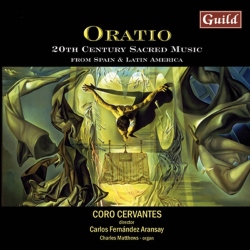
Vocal
-
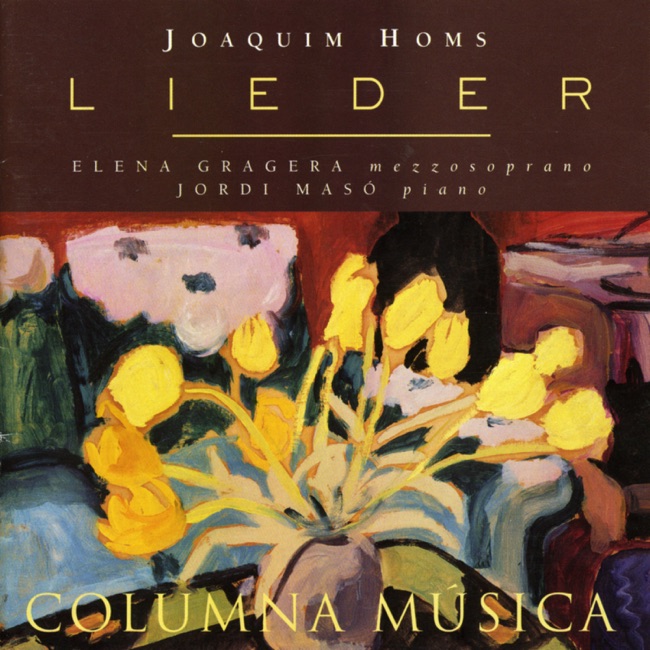 October 26, 2006
 -
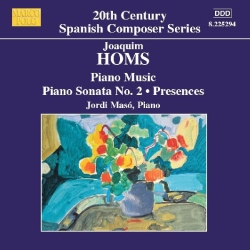
Keyboard
-
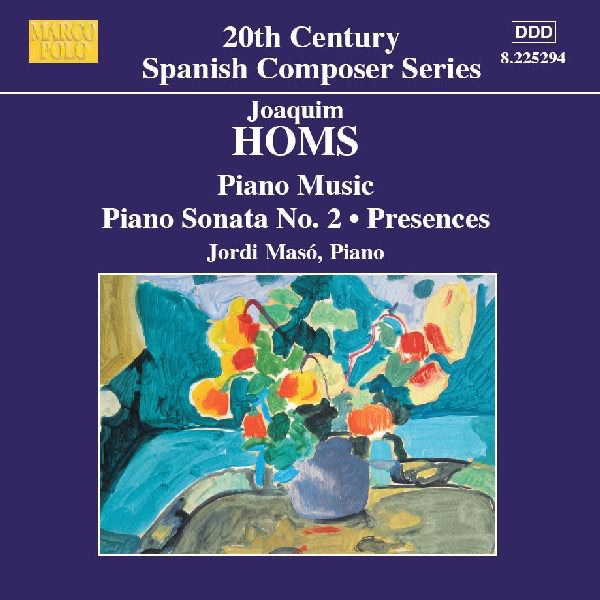 January 18, 2005
 -
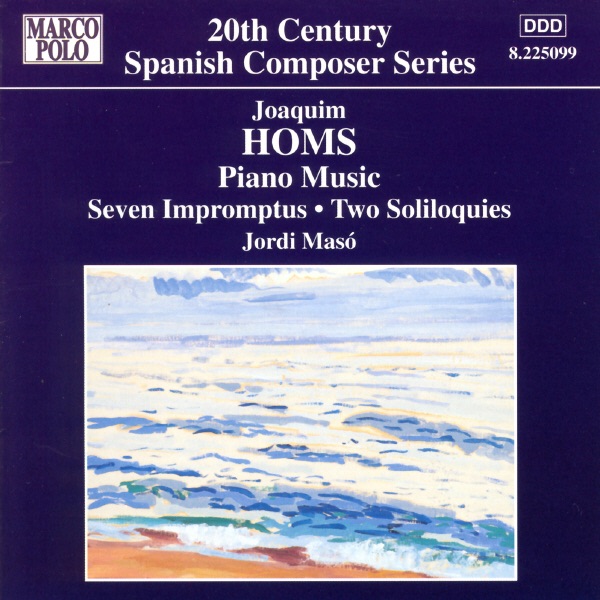 March, 1999
 -
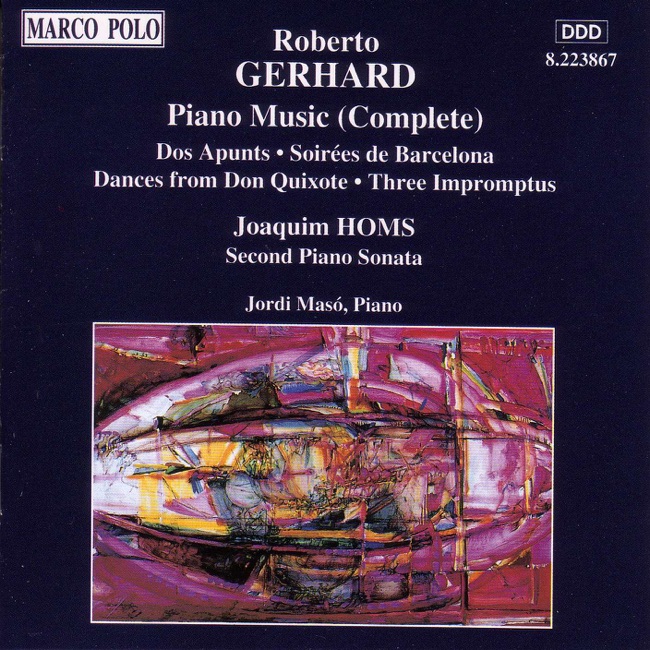 February 21, 1996
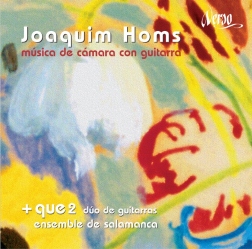
Chamber
-
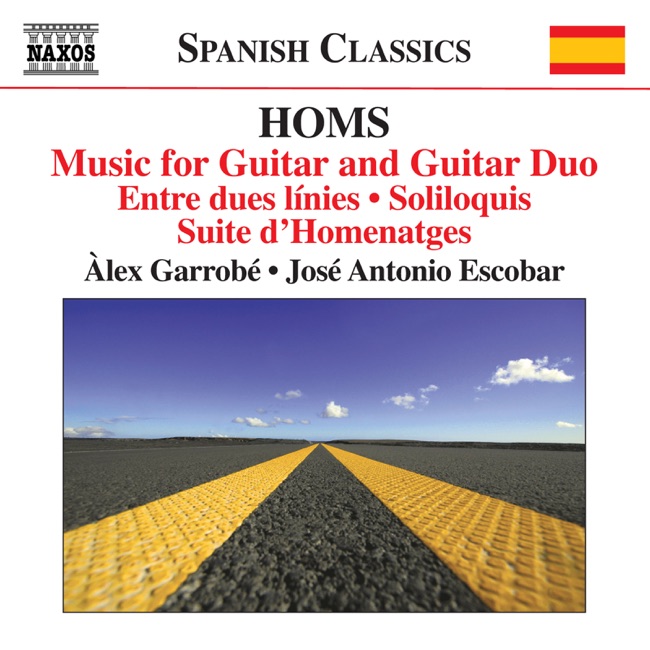 February 9, 2018
 -
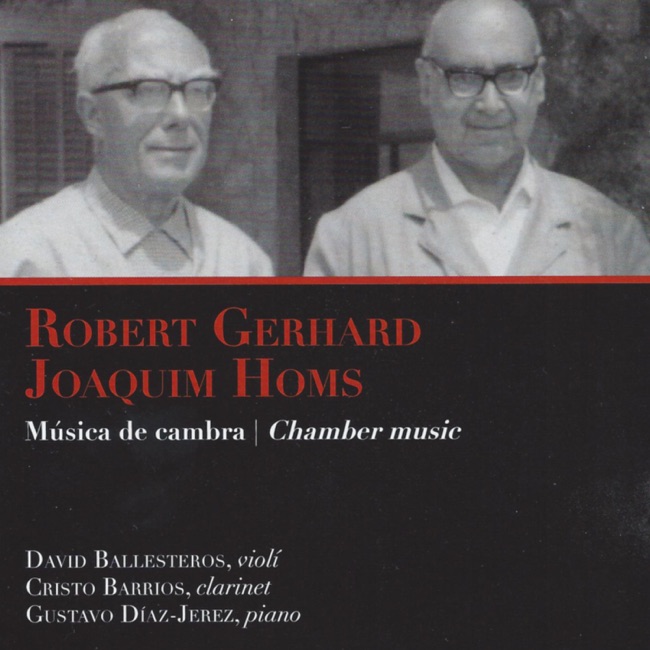 October 13, 2015
 -
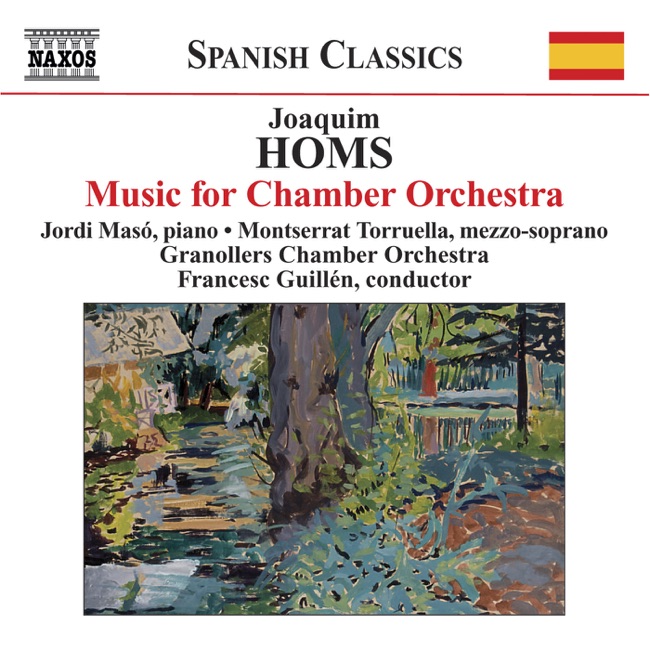 October 30, 2007
 -
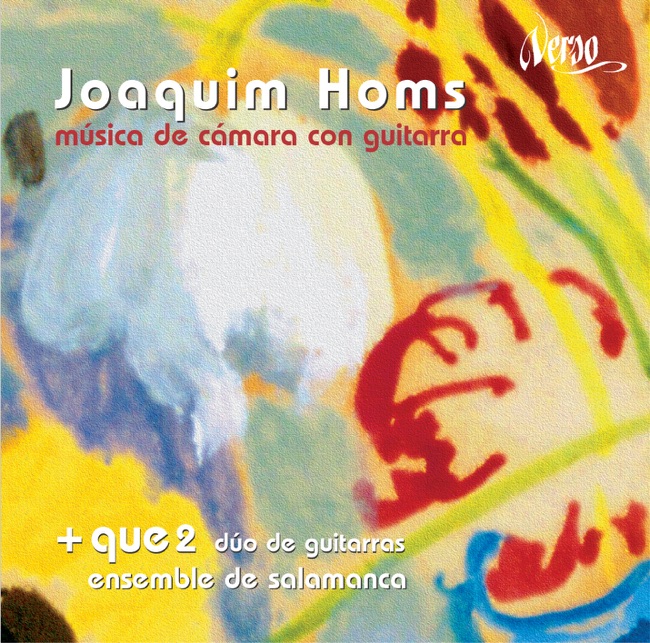 December 5, 2006
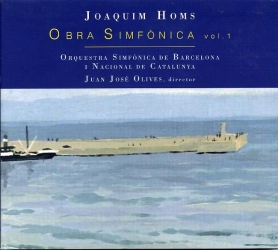
Orchestral
-
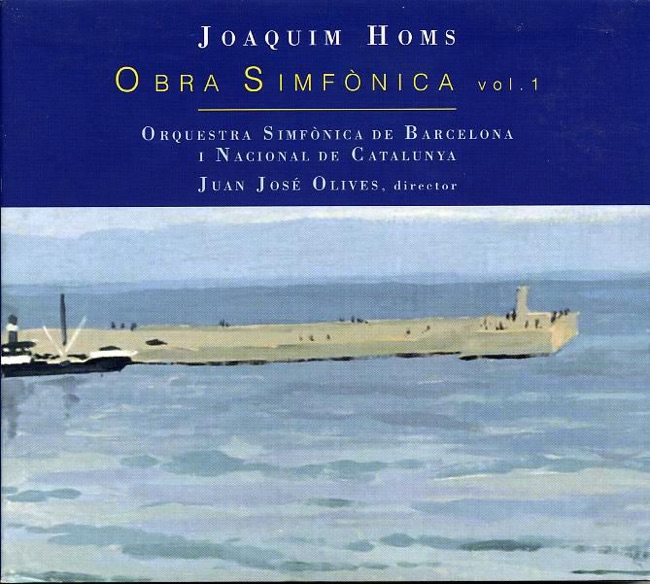 May 29, 2007
Artist Info
Role:ComposerBirth:1906Death:September 9, 2003Period:ModernGenre:ChamberKeyboardJoaquim Homs i Mestres was a Spanish composer born on August 21, 1906, in Barcelona, Spain. He was the son of a wealthy family and grew up in a musical environment. His father, Joaquim Homs i Soler, was a pianist and composer, and his mother, Maria Mestres i Roca, was a singer. Homs began his musical studies at a young age, studying piano with his father and composition with his uncle, the composer Joan Lamote de Grignon. Homs continued his studies at the Barcelona Conservatory, where he studied composition with Jaume Pahissa and piano with Frank Marshall. He also studied harmony and counterpoint with Enric Morera and Joan Massià. In 1927, he won the Conservatory's composition prize for his String Quartet No. 1. In 1929, Homs traveled to Paris to study with Nadia Boulanger, who was one of the most influential composition teachers of the 20th century. Boulanger was impressed with Homs's talent and encouraged him to continue his studies in Paris. Homs studied with Boulanger for two years and also attended classes at the Sorbonne. Homs returned to Barcelona in 1931 and began teaching at the Municipal School of Music. He also became involved in the Catalan cultural and political scene, joining the Esbart Català de Dansaires and the Orfeó Català. In 1936, he joined the Republican Army during the Spanish Civil War and served as a musician in the army band. After the war, Homs returned to teaching and composing. He became a professor of composition at the Barcelona Conservatory in 1950 and held the position until his retirement in 1976. He also served as the director of the Conservatory from 1968 to 1971. Homs's music is characterized by its clarity, simplicity, and economy of means. He was influenced by the neoclassical style of Stravinsky and the French composers of the early 20th century. His early works, such as the String Quartet No. 1 and the Sonata for Piano, show the influence of Spanish folk music and the music of Debussy. Homs's later works, such as the Symphony No. 2 and the Concerto for Orchestra, show a more abstract and austere style. He was interested in exploring new sound combinations and textures, and his music often features unusual instrumental combinations and extended techniques. Homs's most famous works include the Symphony No. 2, the Concerto for Orchestra, and the String Quartet No. 3. The Symphony No. 2, written in 1955, is a three-movement work that features a large orchestra and a complex harmonic language. The Concerto for Orchestra, written in 1963, is a virtuosic work that showcases the individual sections of the orchestra. The String Quartet No. 3, written in 1972, is a four-movement work that features a wide range of textures and moods. Homs's music was not widely performed during his lifetime, but he was highly respected by his colleagues and students. He received many awards and honors, including the National Music Prize in 1982. He died on September 5, 2003, in Barcelona, Spain, at the age of 97. In conclusion, Joaquim Homs was a Spanish composer who made significant contributions to the world of classical music. He was a talented composer and teacher who was influenced by the neoclassical style of Stravinsky and the French composers of the early 20th century. His music is characterized by its clarity, simplicity, and economy of means, and he was interested in exploring new sound combinations and textures. His most famous works include the Symphony No.More....
Recent Artist Music
5
1:29
Copyright Ⓒ 2013 Davinci Finger. All rights reseved
Service Terms & Policy