


William McKie
Released Album
Choral
-
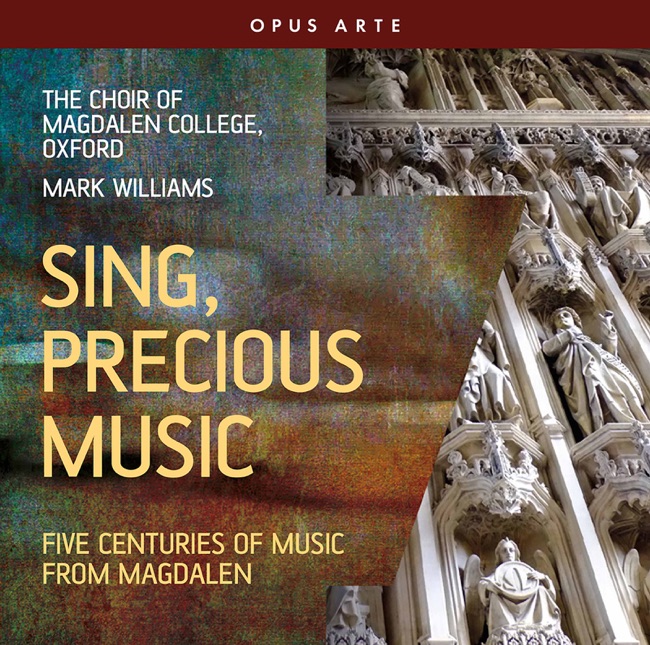 October 23, 2020
 -
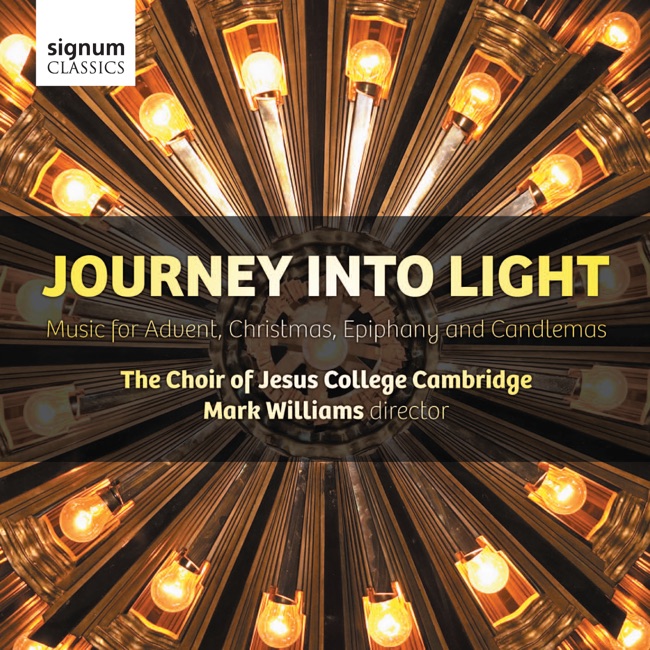
-
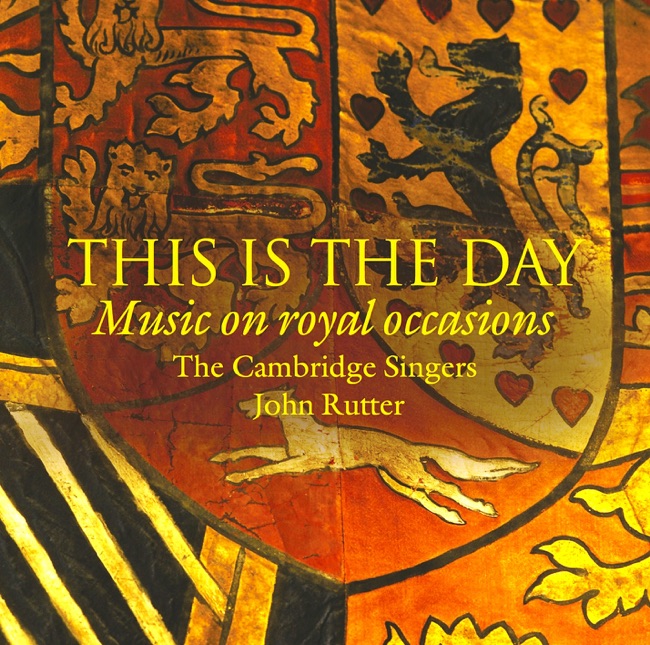 April 24, 2012
 -
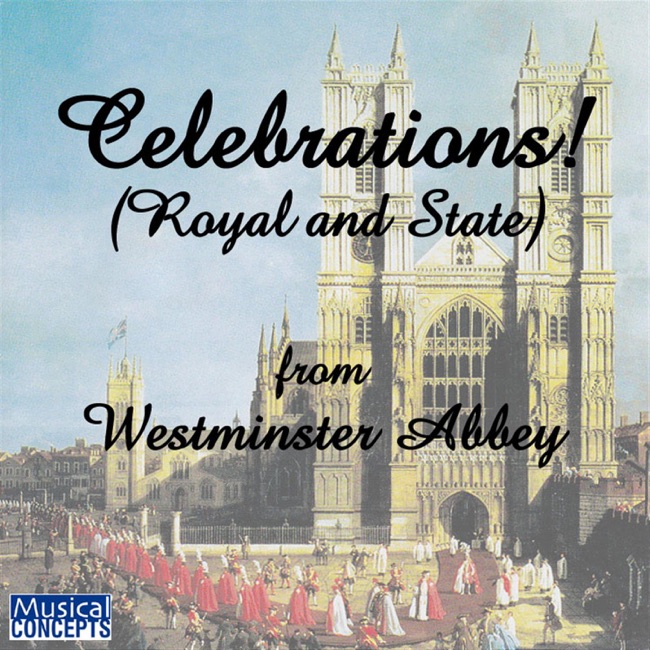 April 5, 2011
 -
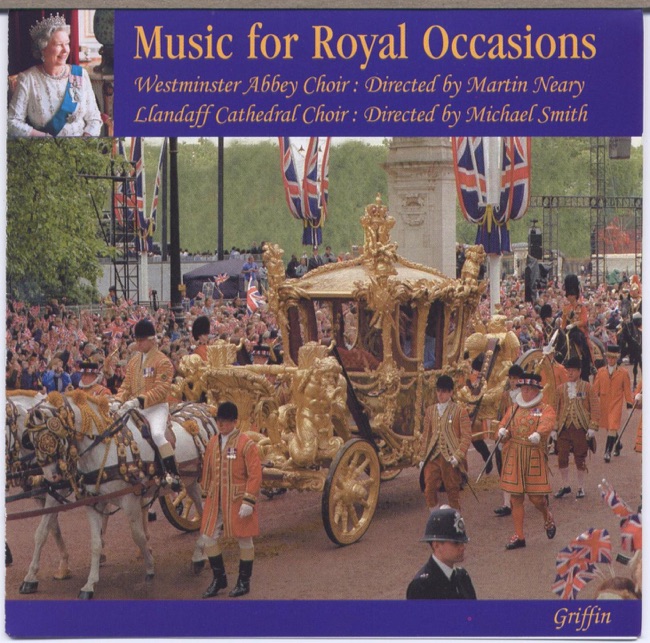 June 8, 2010
 -
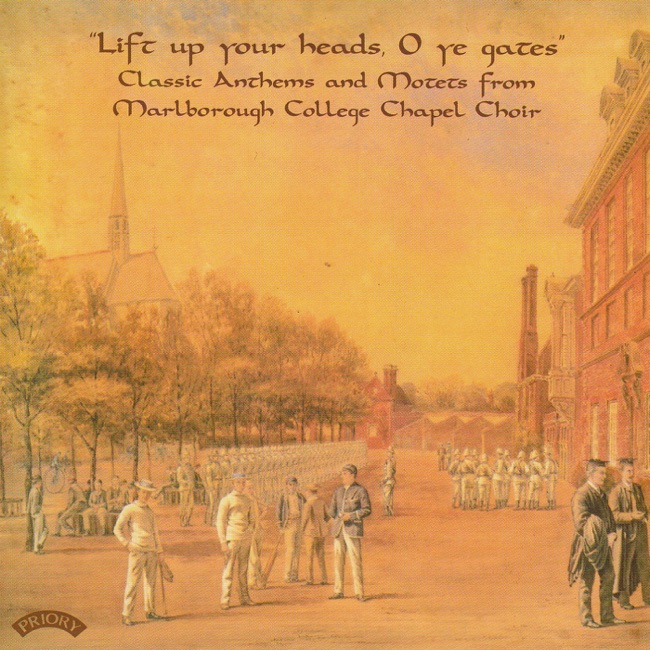 September 15, 2009
Keyboard
-
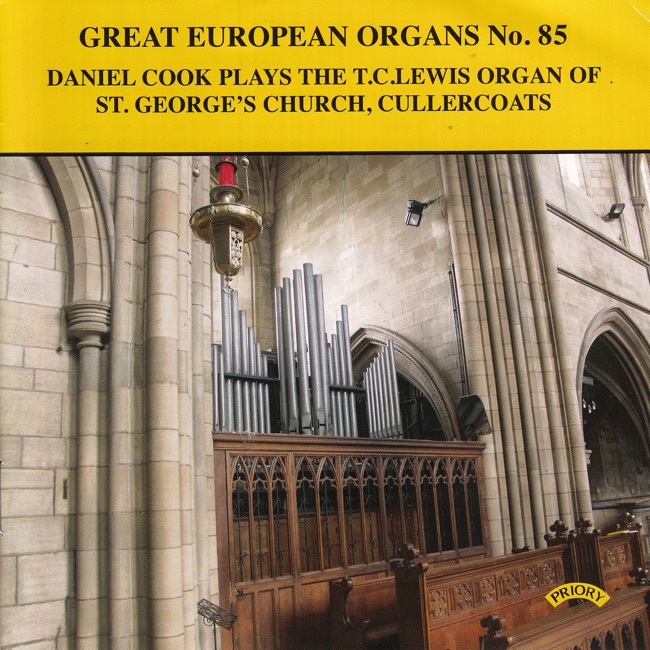 July 9, 2013
Artist Info
Role:Composer Conductor PerformerBirth:1901Death:1984Genre:ChoralWilliam Neil McKie was a British composer, organist, and conductor who was born on June 6, 1901, in Douglas, Isle of Man. He was the son of a church organist and began his musical education at an early age. He attended the Royal College of Music in London, where he studied under Sir Charles Villiers Stanford and Sir Walter Parratt. He also studied with Marcel Dupré in Paris. McKie's career as a musician began in 1923 when he was appointed organist and choirmaster at St. Martin-in-the-Fields in London. He held this position for 35 years, during which time he became one of the most respected church musicians in the country. He was also a professor of music at the Royal Academy of Music from 1936 to 1947. McKie's compositions were primarily choral and organ works, and he was known for his skillful use of harmony and counterpoint. His most famous work is the hymn tune "We Praise Thee, O God, Our Redeemer," which is still widely sung in churches today. He also composed a number of anthems, including "Christ is our Cornerstone" and "O Praise God in His Holiness." In addition to his work as a composer, McKie was also a respected conductor. He conducted the London Philharmonic Orchestra and the Royal Philharmonic Orchestra, among others. He was also the conductor of the Bach Choir from 1941 to 1960, during which time he led the choir in many performances of Bach's choral works. McKie was awarded the CBE (Commander of the Order of the British Empire) in 1953 for his services to music. He died on May 1, 1984, in London. One of McKie's most notable works is his setting of the Evening Service in A, which is still widely performed in Anglican churches today. The service consists of Magnificat and Nunc Dimittis settings, as well as an anthem. The Magnificat is a joyful setting in A major, with a soaring soprano line and rich harmonies. The Nunc Dimittis is a more contemplative setting in F major, with a beautiful tenor solo. The anthem, "We Wait for Thy Loving Kindness," is a setting of Psalm 42 and features a beautiful soprano solo. Another notable work by McKie is his setting of the Evening Service in D, which was written for the coronation of Queen Elizabeth II in 1953. The service consists of Magnificat and Nunc Dimittis settings, as well as an anthem. The Magnificat is a grand setting in D major, with a majestic organ accompaniment and soaring choral lines. The Nunc Dimittis is a more subdued setting in B flat major, with a beautiful tenor solo. The anthem, "O Hearken Thou," is a setting of Psalm 78 and features a powerful choral climax. McKie's other notable works include his setting of the Evening Service in F, which features a beautiful soprano solo in the Magnificat, and his setting of the Evening Service in G, which features a beautiful alto solo in the Nunc Dimittis. In conclusion, William McKie was a highly respected composer, organist, and conductor who made significant contributions to the world of classical music. His compositions, particularly his choral and organ works, are still widely performed in churches today. His skillful use of harmony and counterpoint, as well as his ability to create beautiful melodies, have made him one of the most beloved church composers of the 20th century.More....
Recent Artist Music
Copyright Ⓒ 2013 Davinci Finger. All rights reseved
Service Terms & Policy