


Niels Wilhelm Gade
Released Album
Keyboard
-
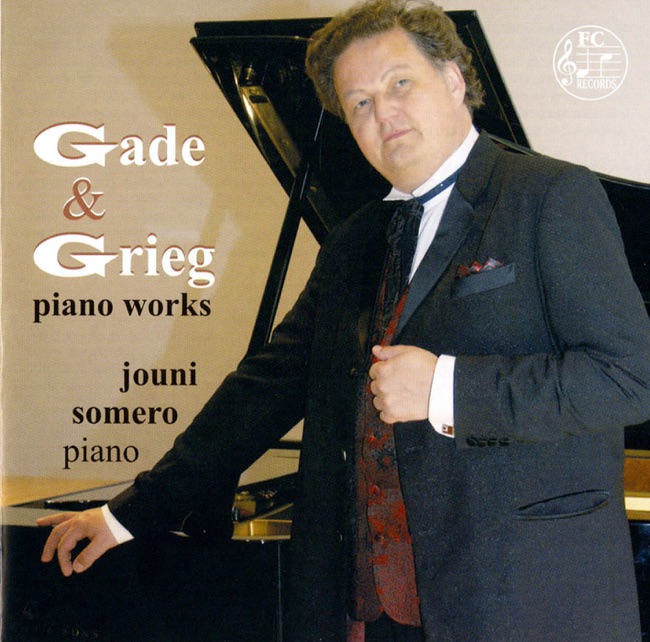 December 10, 2013
 -
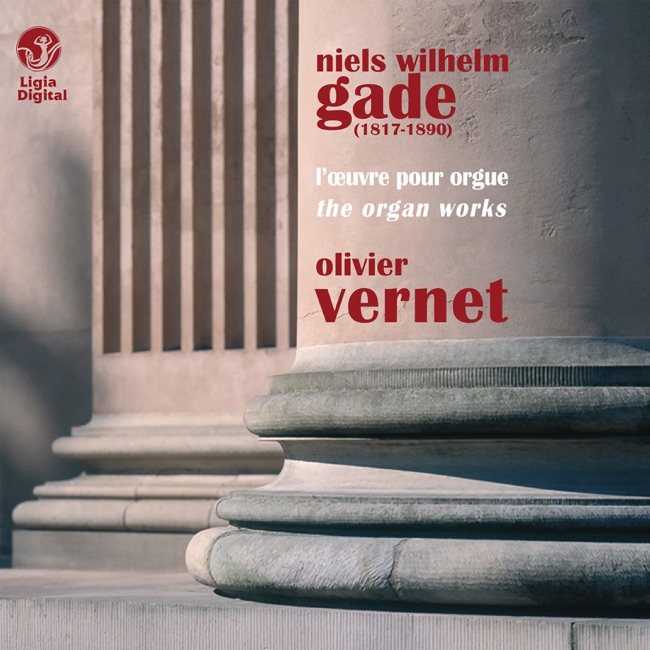 May 12, 2009
 -
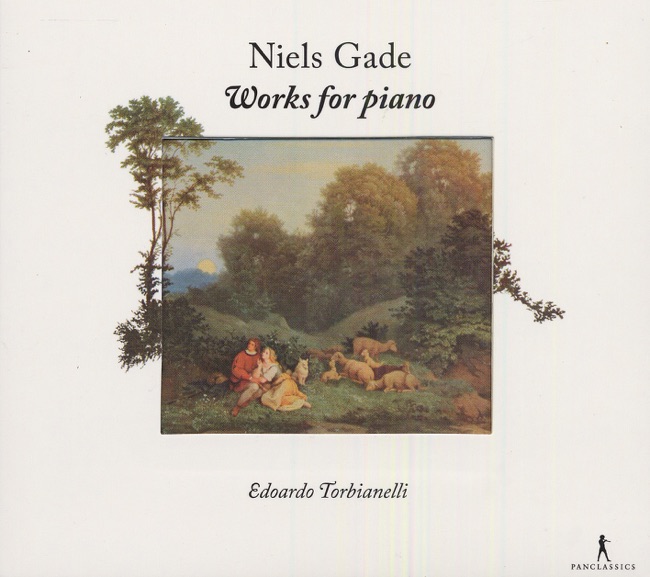 January 1, 2006
Artist Info
Role:ComposerBirth:February 22, 1817Death:December 21, 1890Niels Wilhelm Gade was a Danish composer and conductor who lived from 1817 to 1890. He was born in Copenhagen, Denmark, on February 22, 1817, to a musical family. His father, a successful musician, was his first teacher, and he began playing the violin at a young age. Gade's talent was evident from an early age, and he quickly became known as a prodigy. Gade's musical education continued at the Royal Danish Academy of Music, where he studied composition with Johan Peter Emilius Hartmann. He also studied the violin with Heinrich Wilhelm Ernst, a renowned virtuoso. Gade's studies were interrupted when he was appointed conductor of the orchestra at the Royal Theatre in Copenhagen in 1843. He held this position for 20 years, during which time he conducted many operas and ballets. Gade's early compositions were influenced by the German Romantic composers, particularly Felix Mendelssohn. His first major work, the Symphony No. 1 in C minor, was composed in 1842 and premiered the following year. The symphony was well-received and established Gade as a composer of note. He went on to compose eight more symphonies, as well as numerous other works for orchestra, including overtures, concertos, and suites. In addition to his work as a composer and conductor, Gade was also a teacher. He taught at the Royal Danish Academy of Music from 1851 to 1861, and his students included the composer Carl Nielsen. Gade was also active in the musical life of Copenhagen, serving as the director of the Copenhagen Musical Society from 1850 to 1865. Gade's music is characterized by its lyricism, its use of folk melodies, and its Romantic sensibility. His works often feature lush orchestration and a sense of drama and emotion. His most famous work is the concert overture "Echoes of Ossian," which was composed in 1851 and premiered the following year. The overture is based on the poems of the Scottish poet James Macpherson, who claimed to have translated them from ancient Gaelic sources. The work is notable for its use of Scottish folk melodies and its evocation of the rugged landscape of the Scottish Highlands. Another of Gade's notable works is the Symphony No. 7 in F major, which was composed in 1883. The symphony is sometimes called the "Christmas Symphony" because it was premiered on Christmas Day of that year. The work is notable for its use of Danish folk melodies, particularly in the third movement, which features a theme based on a traditional Danish Christmas carol. Gade's music was well-regarded during his lifetime, and he was widely recognized as one of Denmark's leading composers. He was awarded the Order of the Dannebrog, one of Denmark's highest honors, in 1854, and he was made a Knight of the Order of the Elephant, the highest honor in Denmark, in 1890, shortly before his death. Gade's influence on Danish music was significant, and he is often credited with helping to establish a distinctively Danish musical style. His use of folk melodies and his incorporation of elements of Danish culture into his music helped to create a sense of national identity in Danish music. His legacy can be seen in the work of later Danish composers, including Carl Nielsen and Jean Sibelius, who was of Finnish descent but spent much of his career in Denmark. In conclusion, Niels Wilhelm Gade was a Danish composer and conductor who played a significant role in the development of Danish music.More....


Copyright Ⓒ 2013 Davinci Finger. All rights reseved
Service Terms & Policy