


Zoltan Dory
Released Album
Concerto
-
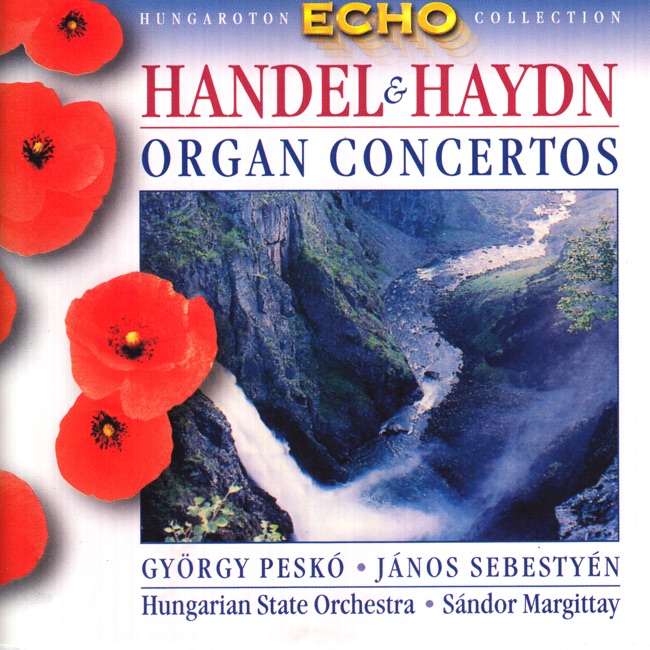 December 8, 1999
Vocal
-
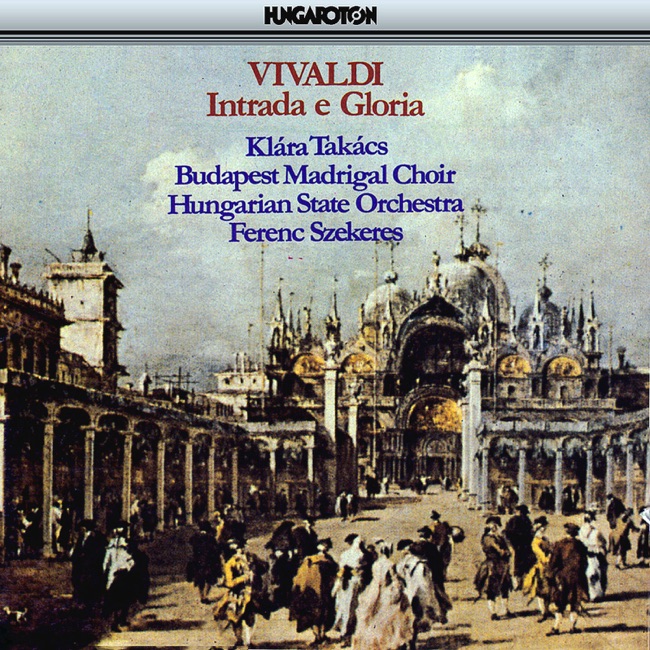 May 31, 1981
Artist Info
Period:BaroqueRomanticModernGenre:ConcertoOperaVocalZoltan Dory was a Hungarian classical pianist and composer who was born on January 1, 1907, in Budapest, Hungary. He was the youngest of three children born to a family of musicians. His father, Bela Dory, was a well-known violinist, and his mother, Maria Dory, was a pianist. Zoltan showed an early interest in music and began playing the piano at the age of four. Dory's musical talent was recognized early on, and he began studying piano with Istvan Thoman, a student of Franz Liszt. He later studied with Béla Bartók and Zoltán Kodály, two of Hungary's most prominent composers. Dory's training with these two composers had a significant impact on his musical style, which was characterized by a blend of traditional Hungarian folk music and modernist techniques. In 1926, Dory made his debut as a pianist in Budapest, performing works by Bach, Beethoven, and Chopin. He quickly gained a reputation as a virtuoso pianist and began performing throughout Europe. In 1930, he made his American debut at Carnegie Hall in New York City, where he received critical acclaim for his performance of Bartók's Piano Sonata. Throughout the 1930s and 1940s, Dory continued to perform extensively in Europe and the United States. He was particularly known for his interpretations of the works of Bartók and Kodály, as well as for his performances of contemporary music. In 1948, he was invited to perform at the International Society for Contemporary Music festival in London, where he premiered works by several contemporary composers. In addition to his career as a pianist, Dory was also a prolific composer. He wrote works for piano, chamber ensembles, and orchestra, many of which were influenced by Hungarian folk music. His compositions were well-received by critics and audiences alike, and he was awarded several prizes for his work. Dory's career was interrupted by World War II, during which he served in the Hungarian army. After the war, he returned to Hungary and continued to perform and compose. However, his career was hampered by the political climate in Hungary, which was increasingly hostile to artists who did not conform to the government's socialist realism aesthetic. In 1956, Dory fled Hungary during the Hungarian Revolution and settled in the United States. He continued to perform and compose, but his career never fully recovered from the disruption caused by his flight from Hungary. He died on December 22, 1963, in New York City. Despite the challenges he faced, Dory's legacy as a pianist and composer has endured. His recordings continue to be admired for their technical brilliance and musical sensitivity, and his compositions are still performed by musicians around the world. He is remembered as one of Hungary's most important musical figures of the 20th century.More....
Recent Artist Music
2
3:43
Copyright Ⓒ 2013 Davinci Finger. All rights reseved
Service Terms & Policy