


Daniel Jones
Released Album
Orchestral
-
 January 12, 2010
 -
Symphony
-
 August 4, 2017
 -
 January 6, 2017
Keyboard
-
 July 15, 2022
 -
 July 15, 2022
 -
 July 10, 2015
Chamber
-
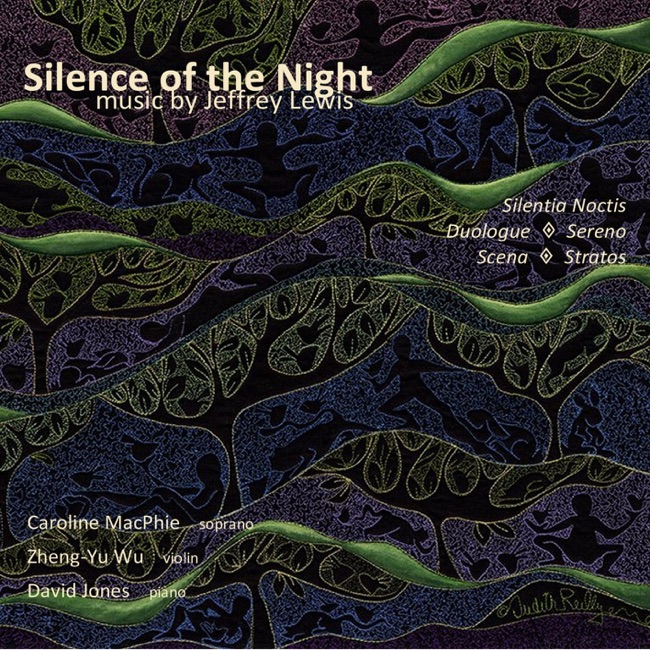 May 14, 2009
Artist Info
Role:ComposerCountry: United KingdomBirth:December 7, 1912 in Pembroke, Pembrokeshire, WalesDeath:April 23, 1993 in Swansea, Glamorgan, WalesPeriod:ModernGenre:ChamberOrchestralSymphonyDaniel Jones was a Welsh composer who was born on December 31, 1912, in Pembroke Dock, Wales. He was the son of a schoolmaster and grew up in a musical family. His father was a church organist, and his mother was a singer. Jones showed an early interest in music and began playing the piano at the age of five. Jones attended the University College of Wales in Aberystwyth, where he studied music under the guidance of Professor David Evans. He later went on to study at the Royal Academy of Music in London, where he was a pupil of Ralph Vaughan Williams and Gordon Jacob. Jones was awarded the prestigious Mendelssohn Scholarship in 1936, which allowed him to study in Vienna with the composer Egon Wellesz. Jones began his career as a composer in the 1930s, and his early works were influenced by the music of Vaughan Williams and other British composers of the time. He was also interested in the music of the Second Viennese School, particularly the works of Arnold Schoenberg. Jones's early works include a number of chamber music pieces, as well as orchestral works such as his Symphony No. 1, which was premiered in 1942. During World War II, Jones served in the Royal Air Force, and his experiences during the war had a profound impact on his music. His Symphony No. 2, which was premiered in 1945, was inspired by the war and is considered one of his most powerful works. The symphony is notable for its use of dissonance and its depiction of the horrors of war. After the war, Jones continued to compose and became one of the leading figures in Welsh music. He was appointed the first Professor of Music at the University of Wales in 1949, and he held this position until his retirement in 1978. During his tenure at the university, Jones was instrumental in establishing the Welsh Music Information Centre, which was dedicated to promoting Welsh music. Jones's music continued to evolve throughout his career, and he became increasingly interested in serialism and other modernist techniques. His later works include a number of operas, including The Forest of Time, which was premiered in 1972, and The Marriage of Heaven and Hell, which was premiered in 1975. Jones also wrote a number of choral works, including his Mass for Double Choir, which was premiered in 1967. Jones's music is characterized by its emotional intensity and its use of dissonance and complex harmonies. He was a master of orchestration, and his works are notable for their rich textures and vivid colors. Jones was also a prolific writer on music, and he published a number of books and articles on music theory and composition. Jones received numerous awards and honors during his lifetime, including the CBE in 1965 and the Queen's Medal for Music in 1977. He died on April 23, 1993, in Mumbles, Wales, at the age of 80. Today, Jones is remembered as one of the most important Welsh composers of the 20th century, and his music continues to be performed and recorded around the world.More....
Recent Artist Music
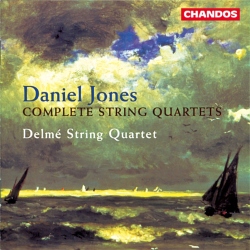

3
1:55
5

7:43


Copyright Ⓒ 2013 Davinci Finger. All rights reseved
Service Terms & Policy