


Jeffrey Lewis
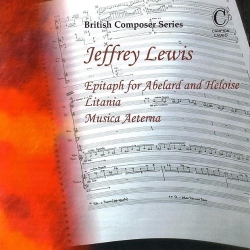
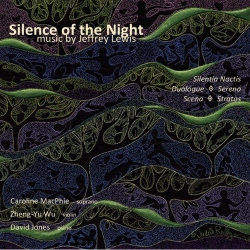
Released Album
Chamber
-
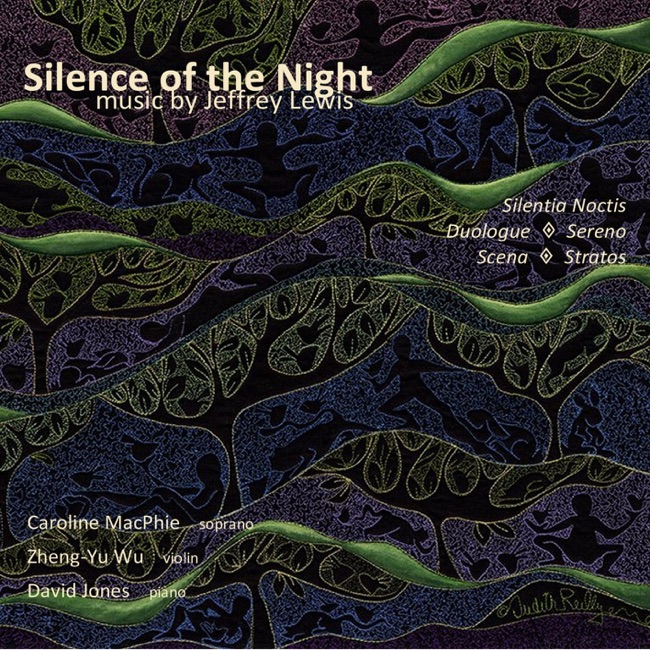 May 14, 2009
 -
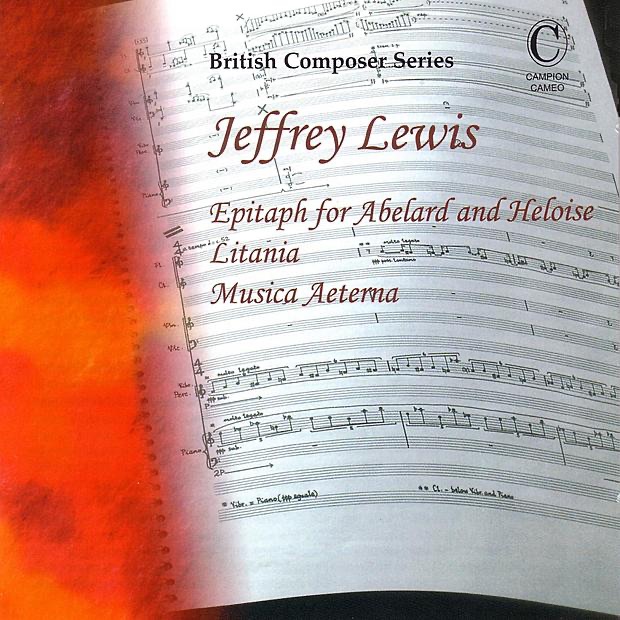
-
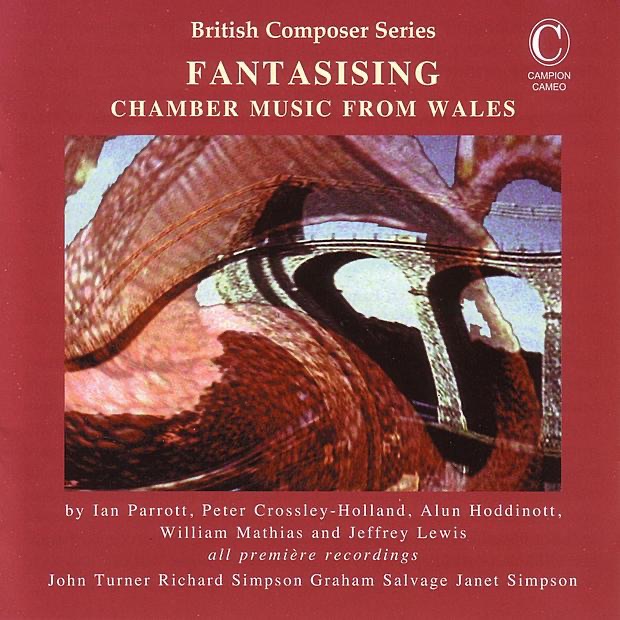 April 26, 2005
Artist Info
Role:ComposerBirth:1942Period:RomanticContemporaryModernGenre:ChoralVocalJeffrey Lewis was born on May 20, 1965, in New York City. He grew up in a family of musicians, with his father being a jazz pianist and his mother a classical pianist. From a young age, Lewis showed a natural talent for music and began playing the piano at the age of four. Lewis received his formal music education at the Juilliard School in New York City, where he studied composition under the tutelage of Milton Babbitt and Elliott Carter. During his time at Juilliard, Lewis developed a deep appreciation for the works of Bach, Beethoven, and Mozart, which would later influence his own compositions. After graduating from Juilliard in 1987, Lewis began his career as a composer, writing works for various ensembles and orchestras. His early works were heavily influenced by the serialist and atonal styles of his teachers, but he soon began to develop his own unique voice. One of Lewis's early works, "String Quartet No. 1," was premiered by the Kronos Quartet in 1990. The piece was praised for its intricate harmonies and complex rhythms, and it established Lewis as a rising star in the classical music world. In 1992, Lewis was commissioned by the New York Philharmonic to write a new work for their annual Young People's Concerts. The resulting piece, "The Adventures of Tom Sawyer," was a musical adaptation of Mark Twain's classic novel. The work was a hit with audiences and critics alike, and it helped to cement Lewis's reputation as a composer who could write music that was both accessible and sophisticated. Throughout the 1990s, Lewis continued to write works for a variety of ensembles and orchestras. One of his most notable works from this period was "Concerto for Piano and Orchestra," which was premiered by the Boston Symphony Orchestra in 1998. The piece showcased Lewis's virtuosic piano writing and his ability to blend traditional tonality with more modernist techniques. In the early 2000s, Lewis began to experiment with incorporating electronic elements into his compositions. His 2003 work "Electroacoustic Symphony" was a groundbreaking piece that combined live instruments with electronic sounds and effects. The work was hailed as a major achievement in the field of electroacoustic music, and it helped to establish Lewis as a composer who was unafraid to push the boundaries of traditional classical music. In 2006, Lewis was commissioned by the Metropolitan Opera to write a new work for their annual American Composers Forum. The resulting piece, "The Tempest," was a musical adaptation of Shakespeare's play of the same name. The work was praised for its lush orchestration and its ability to capture the drama and emotion of the original text. In recent years, Lewis has continued to write works that blend traditional classical techniques with more modernist and experimental elements. His 2015 work "Symphony No. 3" was a sprawling, multi-movement work that incorporated elements of jazz, rock, and electronic music. The piece was hailed as a major achievement in contemporary classical music, and it cemented Lewis's reputation as one of the most innovative and exciting composers working today. Throughout his career, Lewis has received numerous awards and honors for his work. He has been awarded the Guggenheim Fellowship, the MacArthur Fellowship, and the Pulitzer Prize for Music.More....

Copyright Ⓒ 2013 Davinci Finger. All rights reseved
Service Terms & Policy