


Siegmund von Hausegger
Released Album
Symphony
-
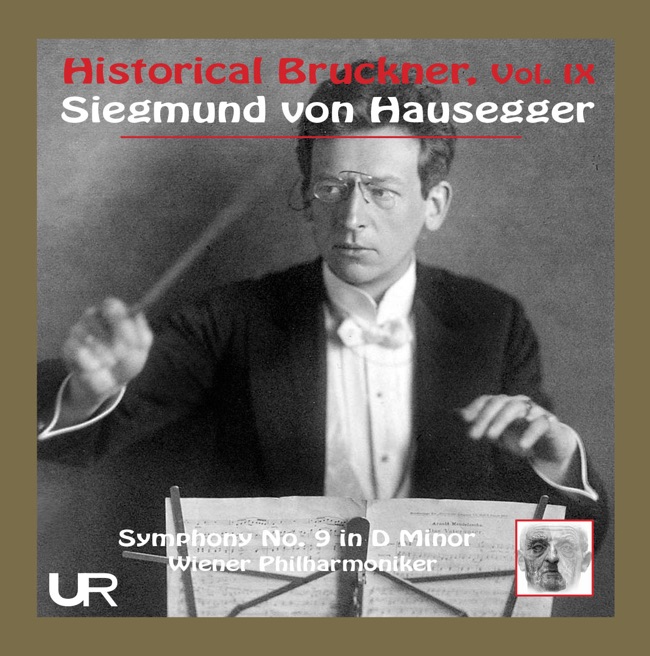 May 31, 2023
 -
 April 29, 2008
 -
 February 7, 1995
Orchestral
-
-
 July 23, 2010
Vocal
-
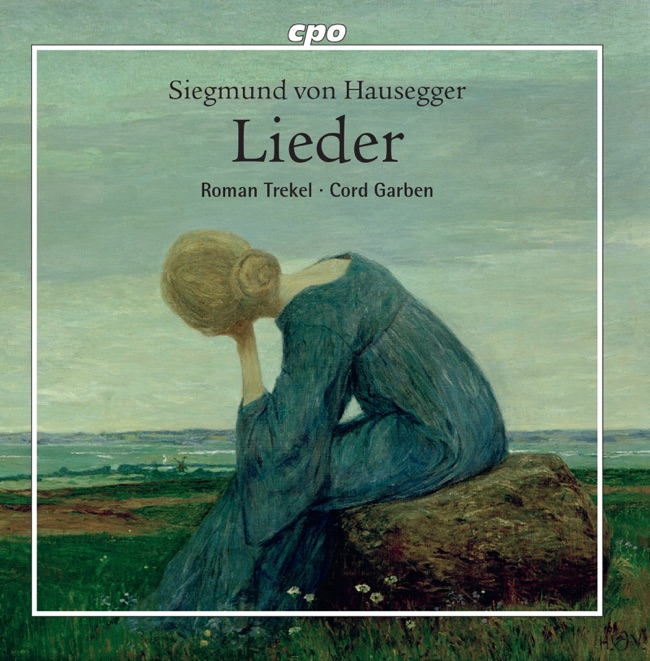 October 5, 2018
 -
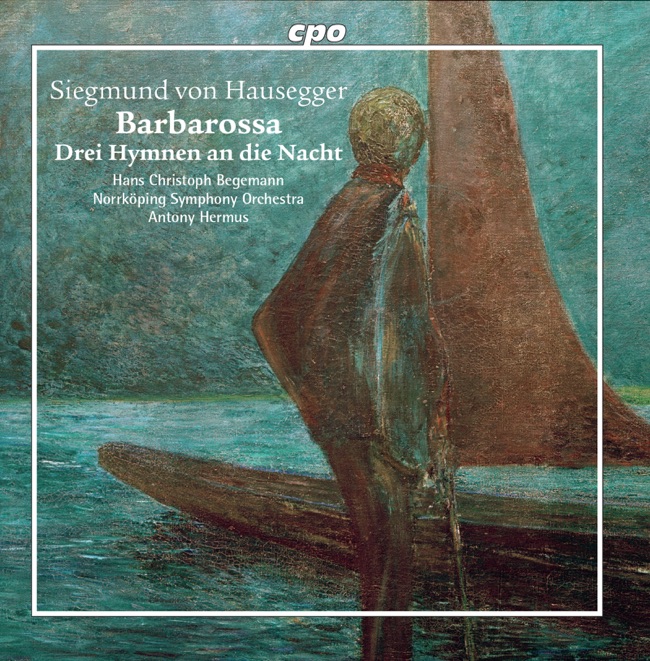 September 29, 2017
Artist Info
Role:Composer ConductorBirth:August 16, 1872 in Graz, AustriaDeath:October 10, 1948 in Munich, GermanyPeriod:RomanticGenre:SymphonySiegmund von Hausegger was a prominent Austrian composer, conductor, and musicologist of the late Romantic era. He was born on August 16, 1872, in Graz, Austria, to a family of musicians. His father, Friedrich von Hausegger, was a conductor and composer, and his mother, Marie von Hausegger, was a pianist and singer. Siegmund von Hausegger grew up in a musical environment and received his first music lessons from his parents. At the age of 14, Hausegger entered the Graz Conservatory, where he studied composition with Robert Fuchs and conducting with Franz Schalk. He also studied piano with Julius Epstein and music theory with Hermann Grädener. In 1891, he moved to Vienna to continue his studies at the Vienna Conservatory, where he studied composition with Anton Bruckner and conducting with Hans Richter. After completing his studies, Hausegger worked as a conductor in various cities in Austria and Germany. In 1901, he became the conductor of the Munich Philharmonic Orchestra, a position he held until 1920. During his tenure, he transformed the orchestra into one of the leading orchestras in Europe. He also conducted the premieres of many important works, including Richard Strauss's "Salome" and "Elektra." As a composer, Hausegger was influenced by the late Romantic style of Richard Wagner and Anton Bruckner. His music is characterized by its lush harmonies, sweeping melodies, and dramatic intensity. His most famous work is his Symphony No. 3, "Wieland der Schmied," which was inspired by the Germanic myth of Wieland the Smith. The symphony is a massive work, lasting over an hour, and is scored for a large orchestra, including a chorus and soloists. It was premiered in Munich in 1910 and was an immediate success. Hausegger's other major works include his Symphony No. 1, "Wallenstein," which is based on the life of the Bohemian general Albrecht von Wallenstein; his Symphony No. 2, "Hochgebirge," which is inspired by the mountains of the Tyrol region; and his Symphony No. 4, "Natursymphonie," which is a musical depiction of the natural world. He also wrote several operas, including "Die Hochzeit des Jobs," which was premiered in Munich in 1912. In addition to his work as a composer and conductor, Hausegger was also a musicologist. He wrote several books on music theory and history, including "Das Dirigieren" (Conducting), which is still considered a classic in the field. He was also a professor of conducting at the Munich Academy of Music from 1919 until his retirement in 1938. Hausegger's career was interrupted by the rise of the Nazi party in Germany. Although he was not a member of the party, his music was banned because of his association with Jewish musicians and his support for modernist composers such as Arnold Schoenberg. In 1938, he was forced to retire from his position at the Munich Academy of Music and was banned from conducting. He spent the rest of his life in seclusion, composing and writing. Siegmund von Hausegger died on October 10, 1948, in Munich, Germany. Despite his contributions to music, his work has been largely forgotten in the years since his death. However, his Symphony No. 3, "Wieland der Schmied," remains a beloved work among fans of late Romantic music.More....
Recent Artist Music
Copyright Ⓒ 2013 Davinci Finger. All rights reseved
Service Terms & Policy