


Robert Saxton
Released Album
Chamber
-
 February 16, 2018
 -
 July 13, 2010
 -
-
 May 1, 1990
Orchestral
Keyboard
-
-
 March 2, 2018
 -
 October 1, 1999
Artist Info
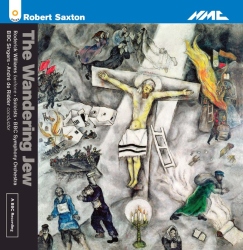
Role:ComposerCountry: United KingdomBirth:October 8, 1953 in London, EnglandPeriod:ContemporaryModernGenre:OrchestralRobert Saxton is a British composer who was born on August 29, 1953, in London. He grew up in a musical family, with his father being a professional violinist and his mother a pianist. Saxton began playing the piano at a young age and showed a natural talent for music. He attended the Royal College of Music in London, where he studied composition with Nicholas Maw and John Lambert. Saxton's early works were influenced by the music of Benjamin Britten and Michael Tippett, but he soon developed his own unique style. His music is characterized by its lyrical melodies, intricate harmonies, and use of traditional forms. Saxton has written works for a variety of ensembles, including orchestras, chamber groups, and solo instruments. One of Saxton's early works is his Piano Sonata, which he composed in 1975. The piece is in three movements and showcases Saxton's virtuosic piano writing. The first movement is marked by its driving rhythms and angular melodies, while the second movement is more introspective and lyrical. The final movement is a lively and energetic dance. In 1986, Saxton composed his first opera, Caritas, which was commissioned by the Royal Opera House. The opera tells the story of a young woman who is forced to choose between her love for a man and her duty to her family. The music is characterized by its lush orchestration and soaring vocal lines. Caritas was well-received by audiences and critics alike and helped establish Saxton as a major figure in British opera. Saxton's orchestral works include his Symphony No. 1, which he composed in 1990. The symphony is in three movements and showcases Saxton's skill at writing for large ensembles. The first movement is marked by its driving rhythms and intricate counterpoint, while the second movement is a lyrical and introspective adagio. The final movement is a lively and energetic dance. In 1996, Saxton composed his String Quartet No. 2, which was commissioned by the Arditti Quartet. The piece is in four movements and showcases Saxton's skill at writing for string instruments. The first movement is marked by its intricate rhythms and angular melodies, while the second movement is a lyrical and introspective adagio. The third movement is a lively and energetic scherzo, while the final movement is a virtuosic tour-de-force. Saxton's most recent opera is The Wandering Jew, which he composed in 2017. The opera tells the story of a man who is cursed to wander the earth for eternity. The music is characterized by its lush orchestration and soaring vocal lines. The Wandering Jew was well-received by audiences and critics alike and helped establish Saxton as a major figure in contemporary opera. In addition to his work as a composer, Saxton is also a respected music educator. He has taught at the Royal College of Music, the Guildhall School of Music and Drama, and Oxford University. He has also served as a visiting professor at universities in the United States and Canada. Overall, Robert Saxton is a composer who has made significant contributions to the world of classical music. His music is characterized by its lyrical melodies, intricate harmonies, and use of traditional forms. Saxton's works have been performed by some of the world's leading orchestras and ensembles, and he has established himself as a major figure in British opera.More....
Recent Artist Music
3
6:
6
1:19

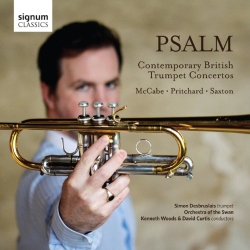
15
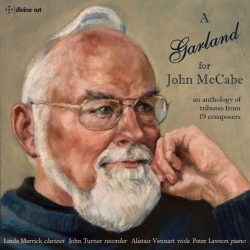
A Little Prelude for John McCabe
A Little Prelude for John McCabe, for recorder, clarinet, viola and piano
2:13
Copyright Ⓒ 2013 Davinci Finger. All rights reseved
Service Terms & Policy