


Bernhard Paumgartner
Released Album
Concerto
-
 July 1, 2015
 -
 March 5, 2015
 -
 January 26, 2015
 -
 August 22, 2014
 -
 June 15, 2014
 -
 June 1, 2014
Orchestral
-
 October 14, 2024
 -
-
 May 3, 2013
 -
 July 8, 2012
 -
 November 28, 2008
Vocal
-
 January 1, 2016
 -
 April 12, 2011
 -

-
 December 1, 2003
Opera
-
 February 3, 2017
 -
 March 13, 2007
 -
 December 26, 2006
 -
 January 25, 2005
 -
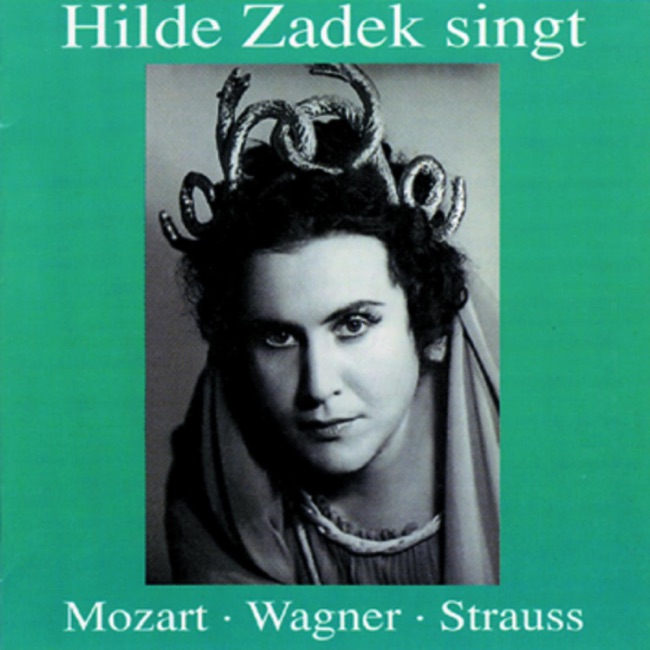 July 4, 1998
 -
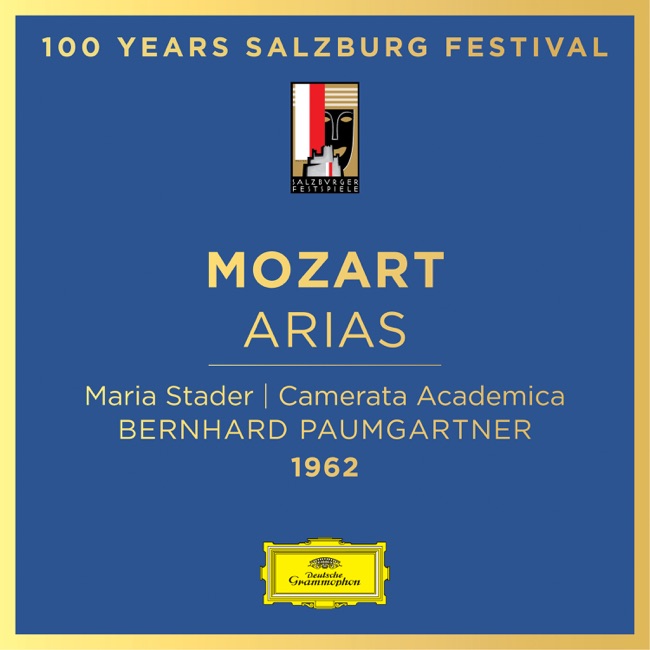 July 1, 1962
Artist Info
Role:Composer ConductorBirth:1887Death:1975Period:ClassicalGenre:ConcertoOperaVocalBernhard Paumgartner was a renowned Austrian conductor, composer, and musicologist who made significant contributions to the world of classical music. He was born on November 27, 1887, in Salzburg, Austria, to a family of musicians. His father, Franz Paumgartner, was a cellist, and his mother, Maria Paumgartner, was a pianist. From a young age, Paumgartner showed a keen interest in music and began his formal training in piano and violin at the age of six. Paumgartner's musical education continued at the Mozarteum in Salzburg, where he studied composition, conducting, and musicology. He also received training in piano and violin from some of the most prominent musicians of his time, including Carl Flesch and Ferruccio Busoni. In 1910, Paumgartner completed his studies at the Mozarteum and began his career as a conductor. Paumgartner's early career was marked by several notable achievements. In 1912, he founded the Salzburg Chamber Orchestra, which quickly gained a reputation for its high-quality performances. He also served as the conductor of the Salzburg Mozarteum Orchestra from 1919 to 1929, during which time he established the orchestra as one of the leading ensembles in Europe. In addition to his work as a conductor, Paumgartner was also a prolific composer. He wrote several operas, including "Die Heimkehr des Odysseus" and "Die Schmiede von Salzburg," as well as numerous orchestral and chamber works. His compositions were well-received by audiences and critics alike, and he was regarded as one of the most promising young composers of his time. Paumgartner's career reached new heights in the 1930s, when he became the conductor of the Vienna Symphony Orchestra. He held this position from 1933 to 1938, during which time he led the orchestra in several acclaimed performances and recordings. He also served as the conductor of the Vienna State Opera from 1935 to 1938, where he conducted productions of some of the most famous operas in the repertoire. Despite his success, Paumgartner's career was interrupted by the outbreak of World War II. He was drafted into the German army in 1940 and served as a military musician until the end of the war. After the war, Paumgartner returned to Austria and resumed his career as a conductor and composer. In the post-war years, Paumgartner continued to make significant contributions to the world of classical music. He served as the conductor of the Salzburg Festival from 1945 to 1954, where he conducted productions of some of the most famous operas in the repertoire. He also continued to compose, writing several works that were performed by leading orchestras and ensembles around the world. Paumgartner's contributions to the world of classical music were recognized with several awards and honors. In 1952, he was awarded the Grand Decoration of Honor for Services to the Republic of Austria, and in 1957, he was awarded the Mozart Medal by the International Mozarteum Foundation. He was also a member of the Royal Swedish Academy of Music and the Bavarian Academy of Fine Arts. Bernhard Paumgartner died on July 27, 1971, in Salzburg, Austria, at the age of 83. He left behind a legacy of excellence in conducting, composing, and musicology that continues to inspire musicians and music lovers around the world.More....
Recent Artist Music
3
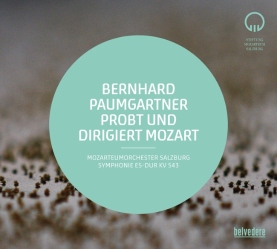
25:37
6
8:25
7
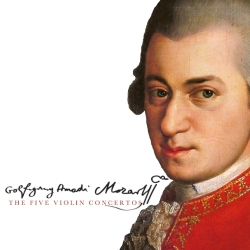
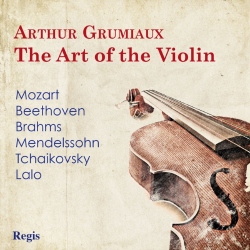
Violin Concerto No. 2 in D major, K. 211
I. Allegro moderato - II. Andante - III. Rondeau Allegro
18:35
8
Violin Concerto in D major, K(2) 271a (271i)
I. Allegro maestoso - II. Andante - III. Rondo - Allegro
25:49
9
8:23
12
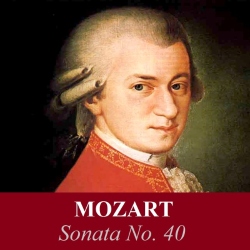
Symphony No. 40 in G minor, K. 550
I. Molto Allegro - II. Andante - III. Menuetto - IV. Finale. Allegro assai
28:48
13
6:22

Copyright Ⓒ 2013 Davinci Finger. All rights reseved
Service Terms & Policy