


Ricardo Castro
Released Album
Keyboard
-
 July 31, 2015
 -
 August 28, 2012
 -
 February 2, 2010
 -
 January 1, 2001
 -
 October 24, 2000
 -
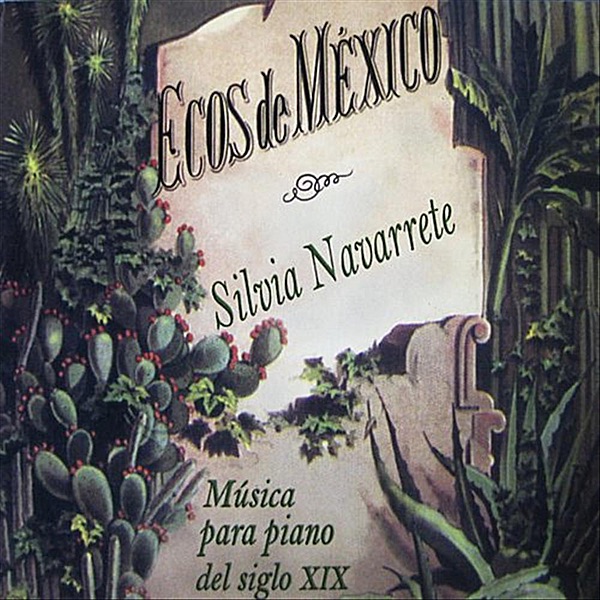 May 11, 1999
Concerto
-
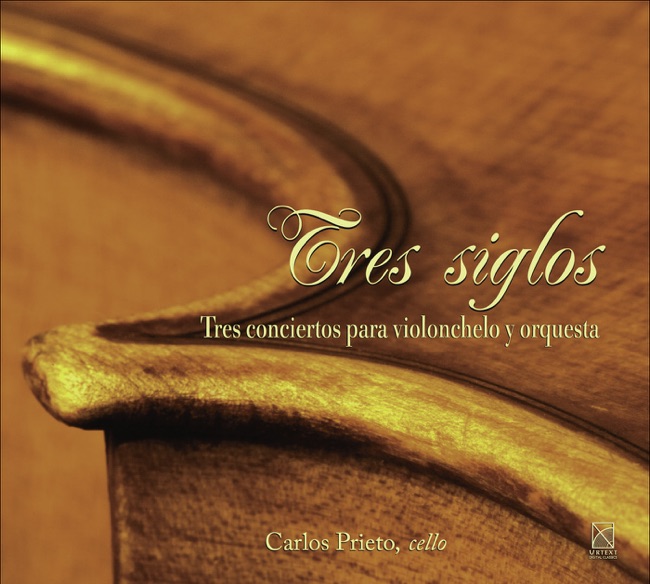 August 25, 2009
Vocal
-
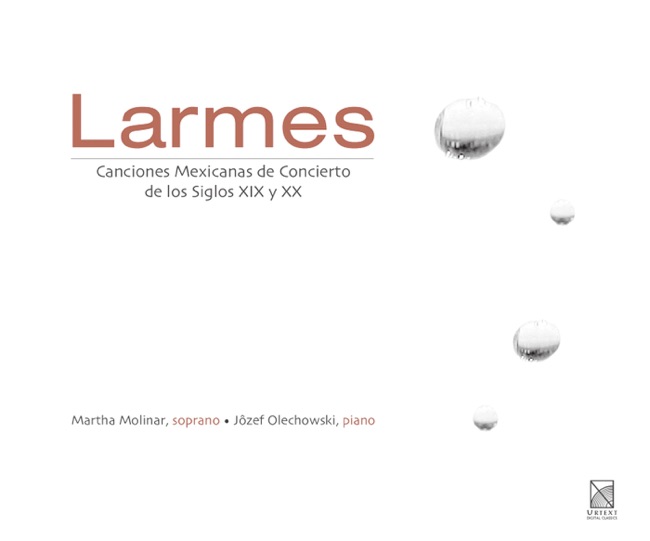
-
 March 14, 2006
Chamber
-
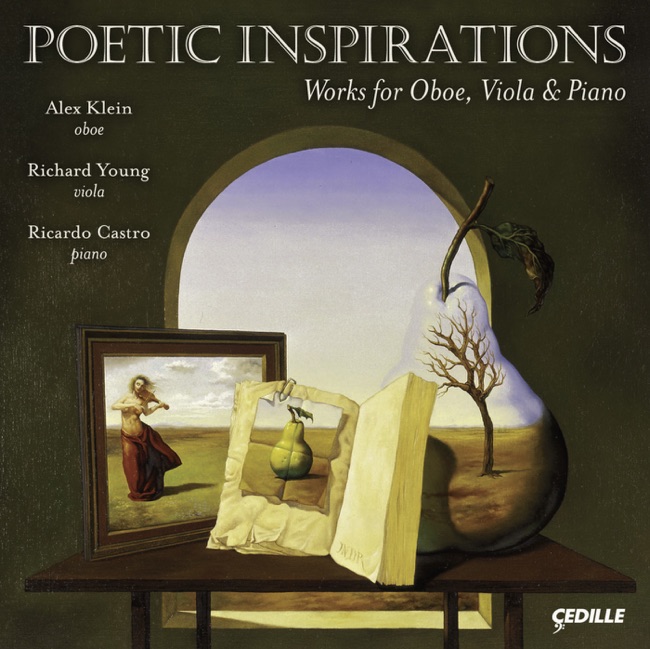 March 11, 2008
 -
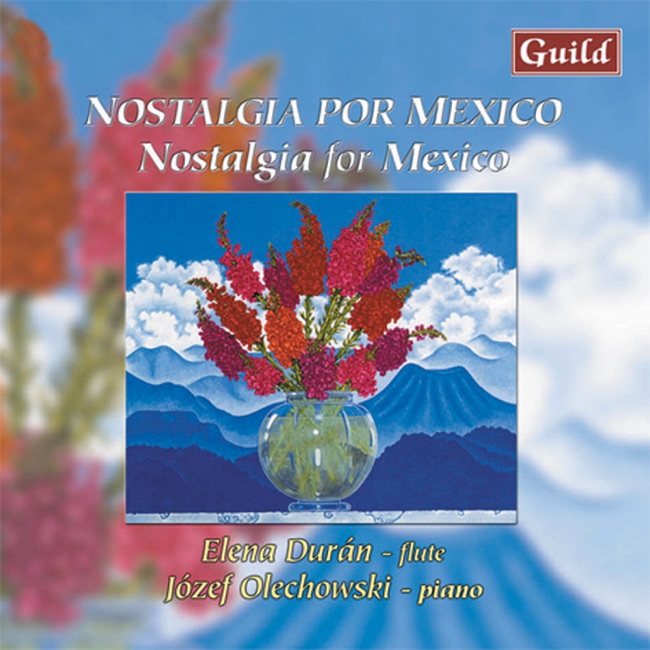 July 20, 2000
Artist Info
Role:ComposerCountry: MexicoBirth:1864 in Nazas, Durango, MexicoDeath:1907 in Mexico City, MexicoPeriod:RomanticGenre:KeyboardRicardo Castro was a Mexican composer and pianist who lived from 1864 to 1907. He was born in Durango, Mexico, on February 7, 1864, to a family of musicians. His father, Manuel Castro, was a violinist, and his mother, Maria de la Luz Flores, was a pianist. Ricardo showed an early interest in music and began studying the piano with his mother at the age of four. At the age of six, Ricardo gave his first public performance, playing a Mozart sonata. He continued to study the piano with his mother until the age of ten, when he began studying with the renowned pianist and composer, Julio Ituarte. Ituarte recognized Ricardo's talent and encouraged him to pursue a career in music. In 1878, at the age of fourteen, Ricardo traveled to Paris to study at the Conservatoire de Paris. He studied piano with Antoine François Marmontel and composition with Jules Massenet. While in Paris, Ricardo also had the opportunity to meet and perform for some of the leading musicians of the time, including Franz Liszt and Camille Saint-Saëns. After completing his studies in Paris, Ricardo returned to Mexico and began a successful career as a pianist and composer. He performed extensively throughout Mexico and also toured in the United States and Europe. He was known for his virtuosic piano playing and his ability to interpret the works of other composers with great sensitivity and nuance. As a composer, Ricardo was influenced by the Romantic tradition and by the music of his native Mexico. He wrote in a variety of genres, including piano music, chamber music, and orchestral works. Some of his most famous works include his Piano Concerto No. 1 in D minor, his String Quartet No. 1 in E minor, and his Suite Mexicana. Ricardo's Piano Concerto No. 1 in D minor was composed in 1891 and premiered in Mexico City the following year. The concerto is a virtuosic showcase for the soloist, with sweeping melodies and intricate passagework. The second movement, a lyrical and introspective adagio, is particularly beautiful. The concerto has become one of Ricardo's most popular works and is still performed today. Ricardo's String Quartet No. 1 in E minor was composed in 1893 and premiered in Mexico City the following year. The quartet is a beautiful example of Ricardo's ability to blend the Romantic tradition with Mexican folk music. The second movement, a lively scherzo, features a rhythmic ostinato that is reminiscent of Mexican dance music. The quartet is a testament to Ricardo's skill as a composer and his ability to create music that is both beautiful and meaningful. Ricardo's Suite Mexicana was composed in 1895 and premiered in Mexico City the following year. The suite is a collection of five pieces that are based on Mexican folk music. The pieces are arranged for piano and are full of color and rhythm. The suite is a wonderful example of Ricardo's ability to incorporate his native culture into his music. In addition to his career as a composer and pianist, Ricardo was also a respected teacher. He taught at the National Conservatory of Music in Mexico City and had many successful students, including the composer Carlos Chávez. Tragically, Ricardo's life was cut short when he died of tuberculosis at the age of 43. However, his legacy lives on through his music, which continues to be performed and admired by musicians and audiences around the world. Ricardo Castro was a true musical genius and a pioneer of classical music in Mexico.More....
Recent Artist Music

Copyright Ⓒ 2013 Davinci Finger. All rights reseved
Service Terms & Policy