


Henri Sauguet
Released Album
Chamber
-
 May 17, 2024
 -
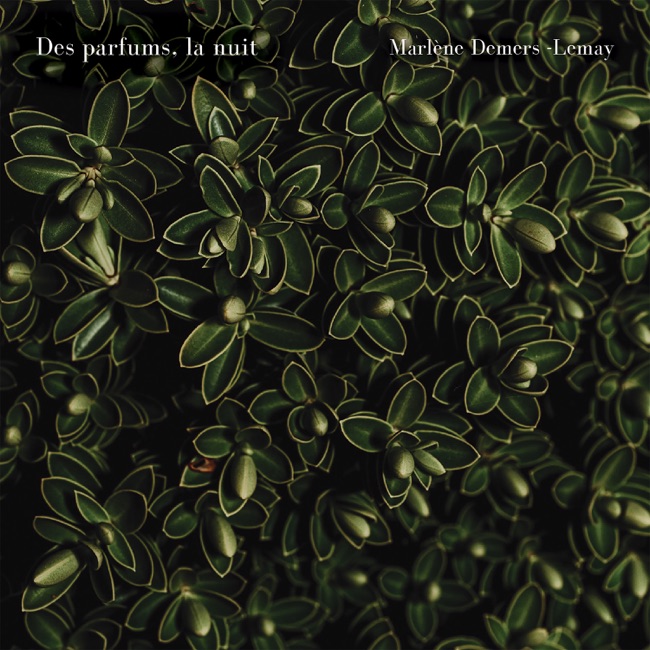 November 6, 2020
 -
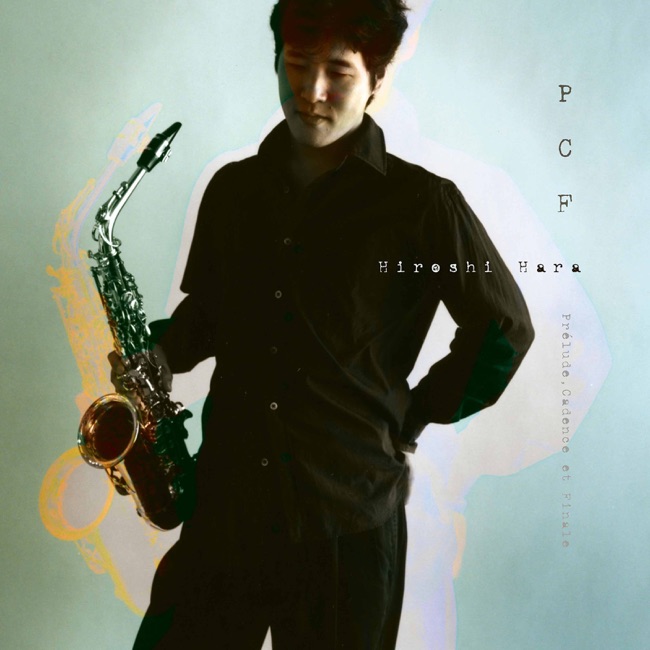 January 17, 2020
 -
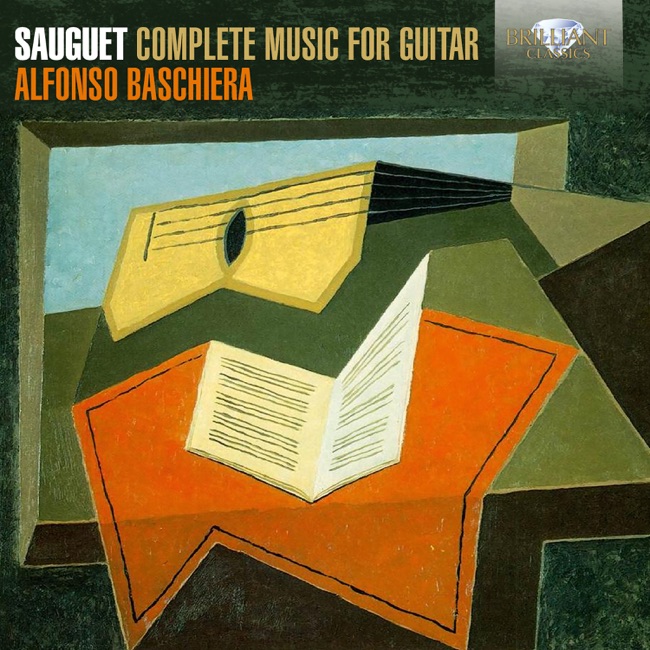 March 25, 2016
 -
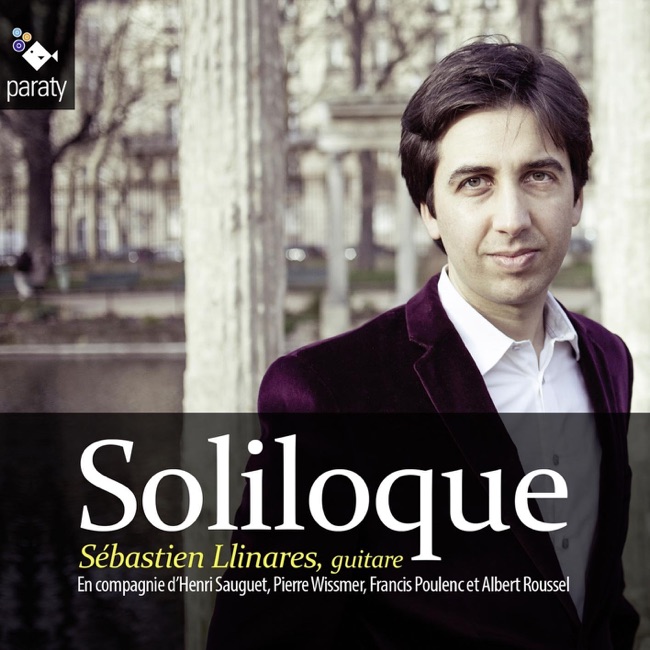 September 12, 2014
 -
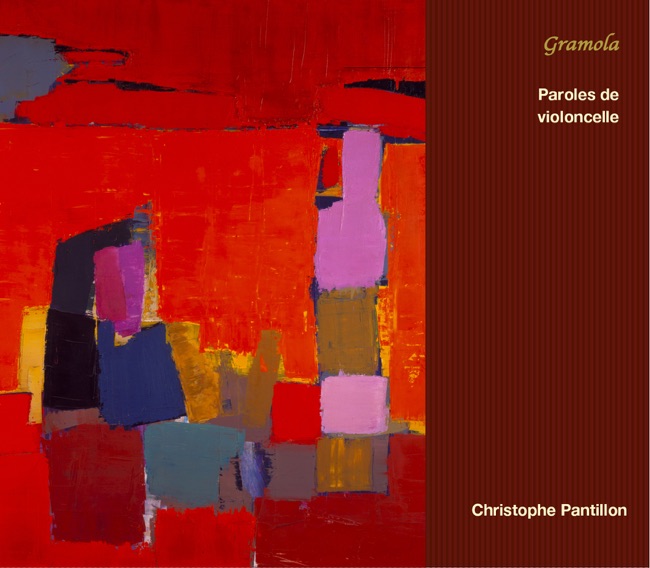 November 4, 2013
Vocal
-
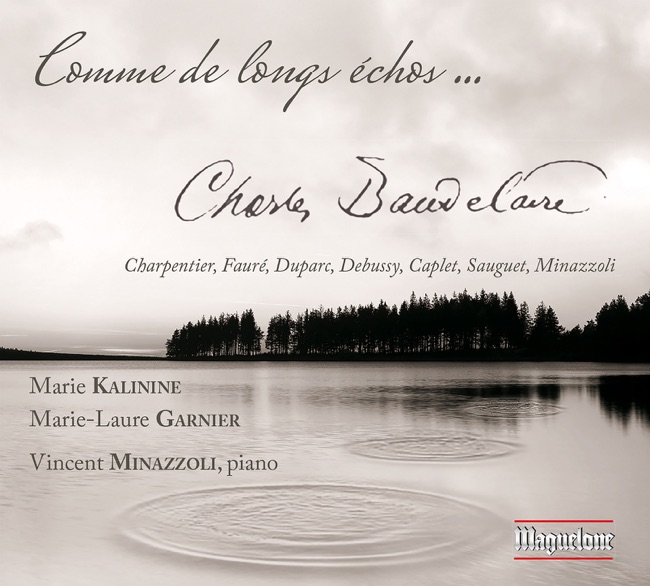 June 26, 2020
 -
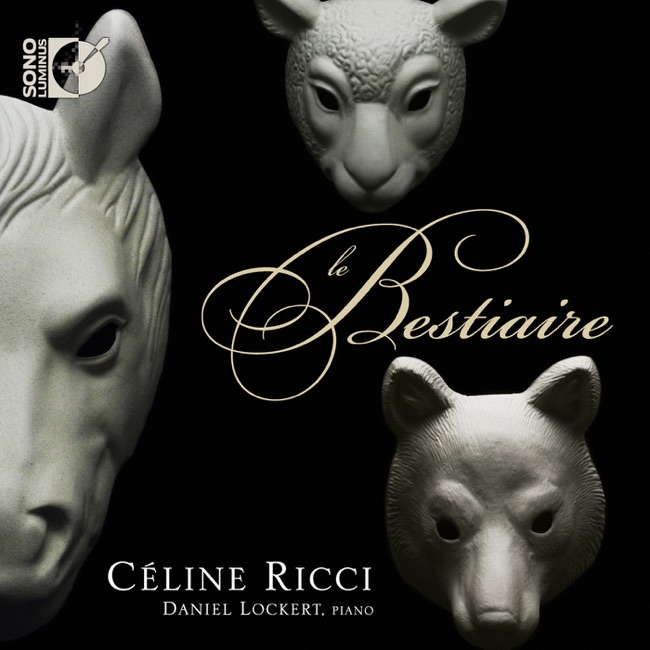 January 30, 2012
 -
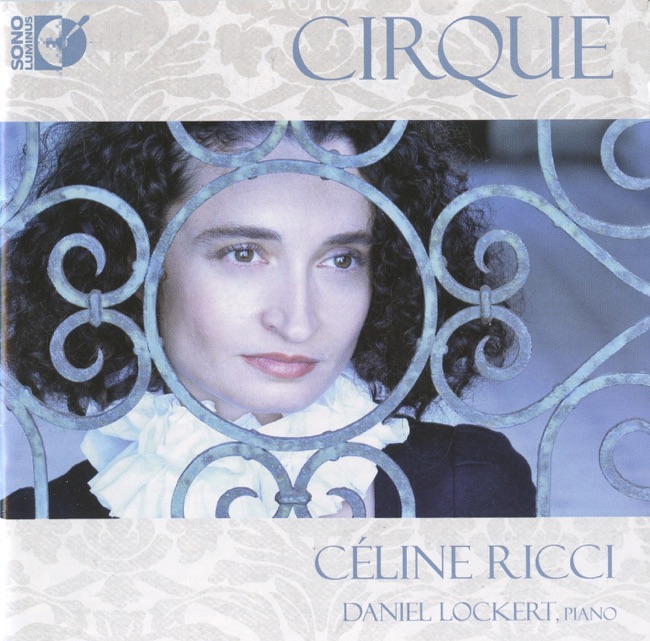 February 21, 2011
 -
 March 30, 2004
Ballet
-
 September 9, 2022
 -
 March 1, 2019
 -
 June 16, 2017
 -
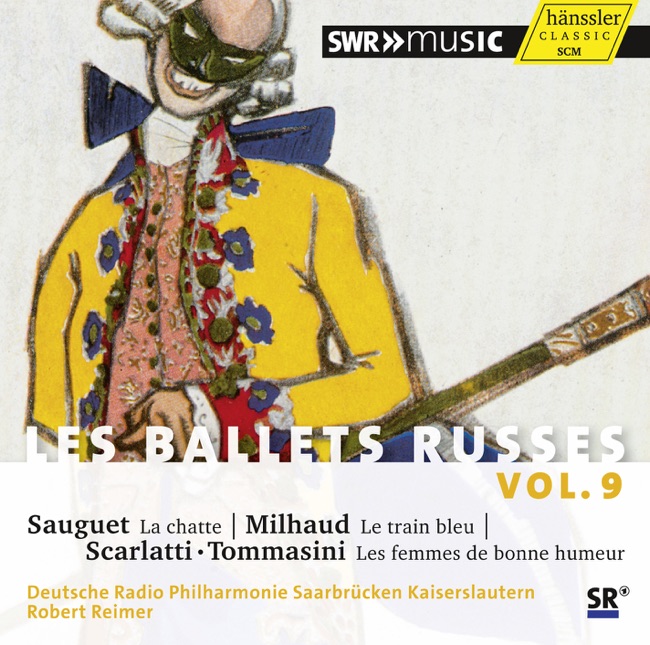 February 26, 2013
 -
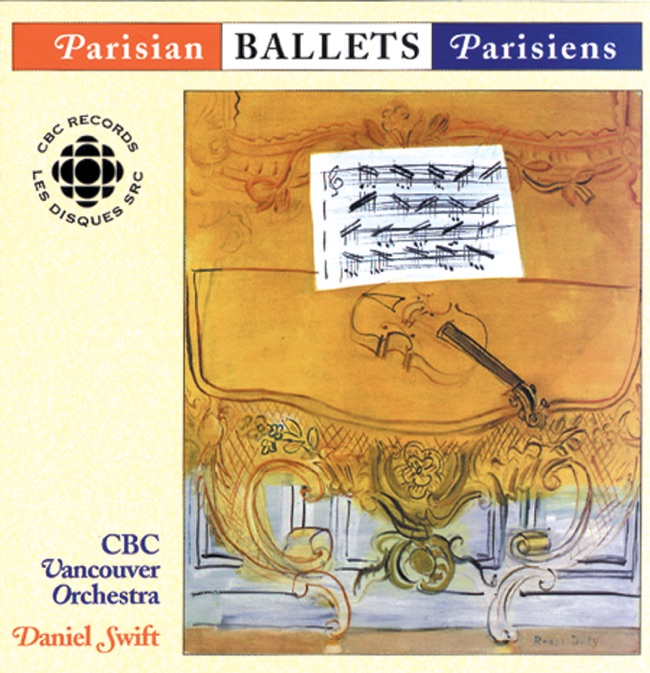 July 1, 2001
 -
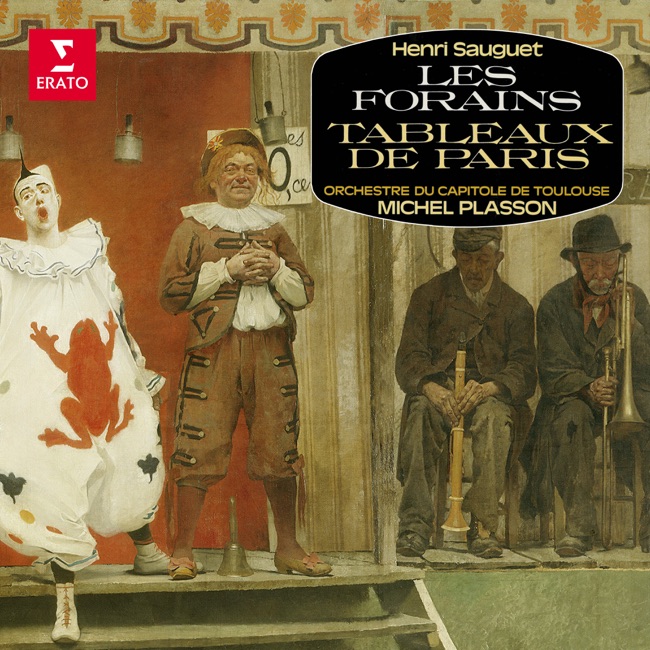 January 1, 1978
Opera
-
 February 18, 1997
Artist Info
Role:ComposerCountry: FranceBirth:May 18, 1901 in Bordeaux, FranceDeath:June 22, 1989 in Paris, FrancePeriod:ContemporaryModernGenre:ChamberKeyboardVocalHenri Sauguet was a French composer who was born on May 18, 1901, in Bordeaux, France. He was the son of a wine merchant and grew up in a family that was not particularly musical. However, he showed an early interest in music and began taking piano lessons at the age of six. He later studied at the Bordeaux Conservatory, where he was a student of Charles Lenepveu. Sauguet's early compositions were heavily influenced by the music of Claude Debussy and Maurice Ravel. He was also influenced by the music of Erik Satie, whom he met in Paris in the 1920s. Sauguet moved to Paris in 1920 to study at the Conservatoire de Paris, where he studied with Paul Dukas and Georges Caussade. In 1923, Sauguet became a member of the group of composers known as Les Six. This group included composers such as Darius Milhaud, Francis Poulenc, and Arthur Honegger. Les Six were known for their rejection of the traditional rules of composition and their embrace of popular music and jazz. Sauguet's early works were characterized by their lightness and humor. He wrote music for ballets, operas, and films, and his music was often used in cabarets and nightclubs. Some of his most famous works from this period include the ballets Les Forains (1924) and La Chatte (1927), as well as the opera La Chartreuse de Parme (1939). During World War II, Sauguet's music became more serious and introspective. He wrote several works that were inspired by the war, including the oratorio Les Noces de Guerre (1943) and the opera Les Caprices de Marianne (1946). After the war, Sauguet continued to write music for ballets, operas, and films, but his music became more traditional and less experimental. Sauguet's later works include the opera La Controverse de Valladolid (1961), which was based on a play by Jean-Claude Carrière, and the ballet La Princesse de Clèves (1965), which was based on a novel by Madame de La Fayette. He also wrote several works for chamber ensembles, including the String Quartet No. 1 (1952) and the Sonata for Flute and Piano (1953). Sauguet was a prolific composer who wrote over 200 works during his lifetime. His music was characterized by its lyricism, simplicity, and elegance. He was a master of melody and harmony, and his music was often compared to that of Debussy and Ravel. Sauguet died on June 22, 1989, in Paris, France. He was 88 years old. His music continues to be performed and recorded today, and he is remembered as one of the most important composers of the 20th century.More....
Copyright Ⓒ 2013 Davinci Finger. All rights reseved
Service Terms & Policy