


Edoardo Bruni
Released Album
Keyboard
-
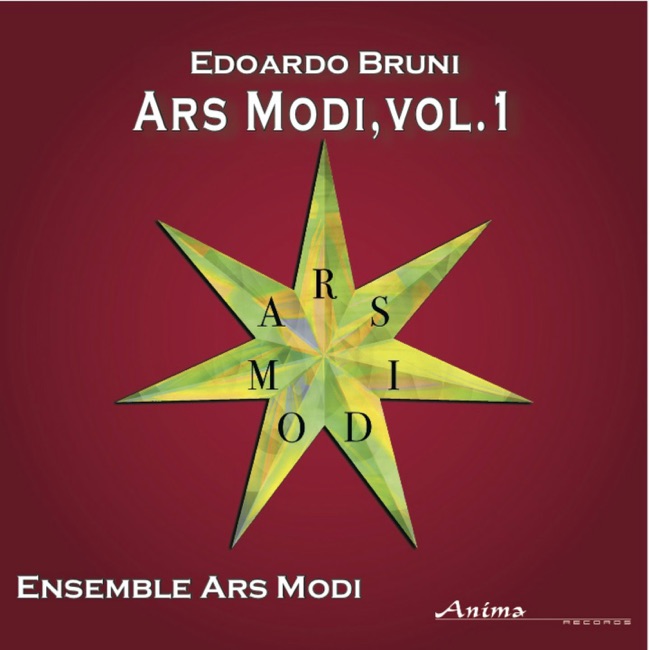 October 13, 2015
 -
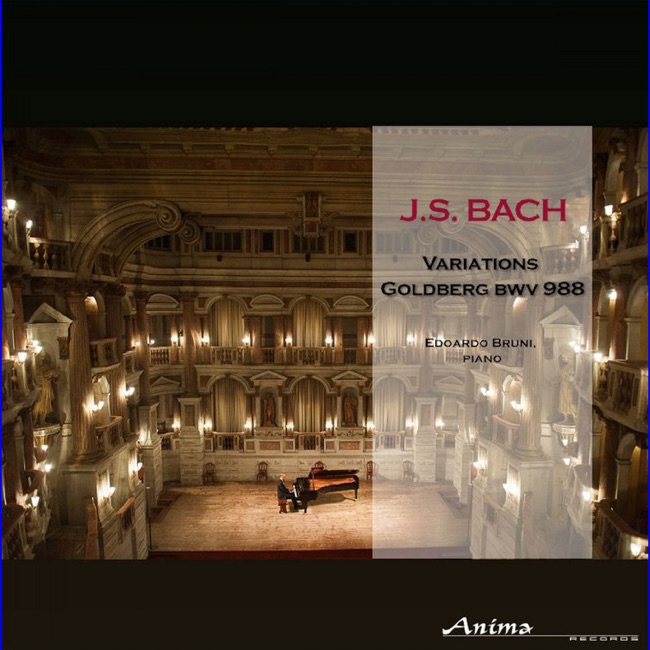 September 28, 2015
 -
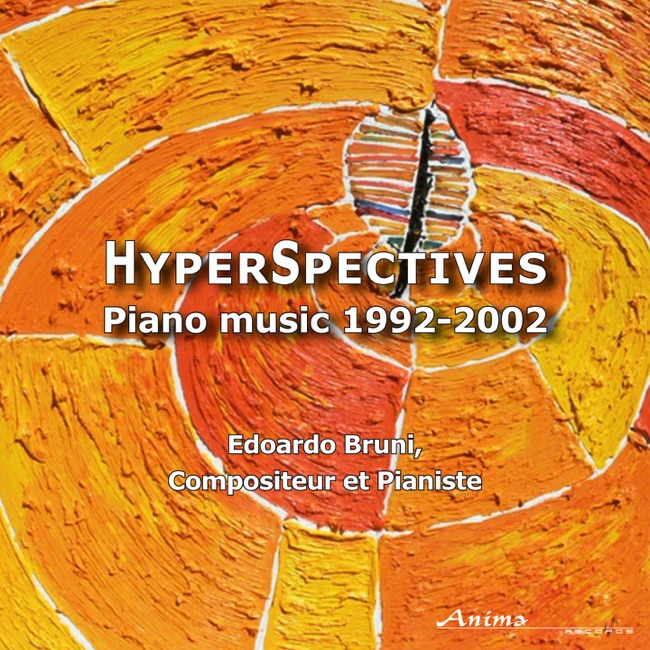 August 12, 2014
Chamber
-
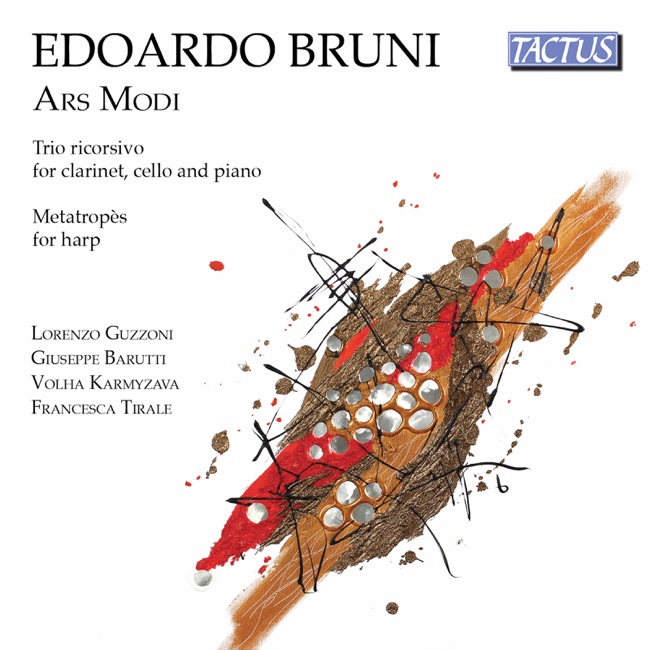 October 4, 2019
Artist Info
Role:ComposerEdoardo Bruni was an Italian composer of classical music who lived from 1845 to 1900. He was born in the city of Naples, which was a hub of musical activity during the 19th century. Bruni's father was a musician, and he began his own musical education at a young age. He studied piano and composition with some of the most prominent teachers in Naples, including Giuseppe Martucci and Paolo Serrao. Bruni's early compositions were influenced by the Romantic style that was popular in Italy at the time. He wrote a number of works for piano, including sonatas, preludes, and études. He also composed chamber music, such as string quartets and piano trios. Bruni's music was well-received in Naples, and he began to gain a reputation as a talented composer. In 1870, Bruni moved to Rome, where he continued to compose and perform. He became involved with the Accademia di Santa Cecilia, which was one of the most prestigious musical institutions in Italy. Bruni's music began to evolve during this time, as he became interested in the music of the German composers such as Beethoven and Brahms. He began to incorporate elements of their style into his own compositions, creating a unique blend of Italian and German musical traditions. One of Bruni's most significant works from this period was his Symphony No. 1 in C minor, which he composed in 1878. The symphony was well-received by audiences and critics alike, and it helped to establish Bruni as a major figure in Italian classical music. The symphony is notable for its use of dramatic contrasts and its powerful emotional impact. In addition to his symphonies, Bruni also composed a number of operas. His first opera, La Contessa di Mons, was premiered in Naples in 1875. The opera was a success, and it was followed by several more, including Il Conte di San Bonifacio and La Fiamma. Bruni's operas were known for their lyrical melodies and their dramatic intensity. Bruni continued to compose throughout the 1880s and 1890s, producing a wide range of works in various genres. He wrote several more symphonies, as well as numerous chamber music pieces and songs. His music continued to evolve, as he experimented with new forms and techniques. One of Bruni's most significant works from this period was his Piano Concerto No. 2 in A minor, which he composed in 1892. The concerto is notable for its virtuosic piano writing and its lush orchestration. It has become one of Bruni's most popular works, and it is still performed frequently today. Despite his success as a composer, Bruni struggled with health problems throughout his life. He suffered from tuberculosis, which eventually led to his death in 1900 at the age of 55. Despite his relatively short life, Bruni left behind a significant body of work that continues to be admired and performed today. His music is known for its emotional intensity, its lyrical melodies, and its unique blend of Italian and German musical traditions.More....
Recent Artist Music


Copyright Ⓒ 2013 Davinci Finger. All rights reseved
Service Terms & Policy