


Aurelio de la Vega
Released Album
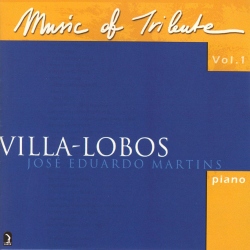
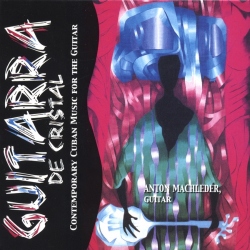
Keyboard
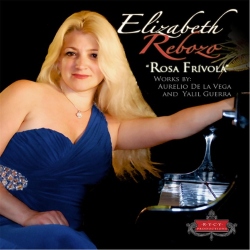
-
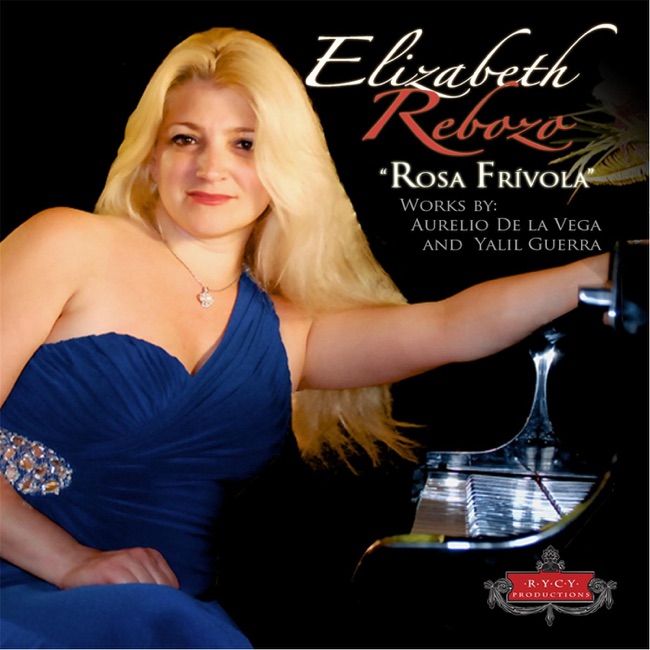 May 6, 2013
 -
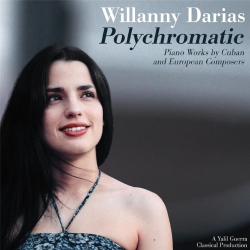
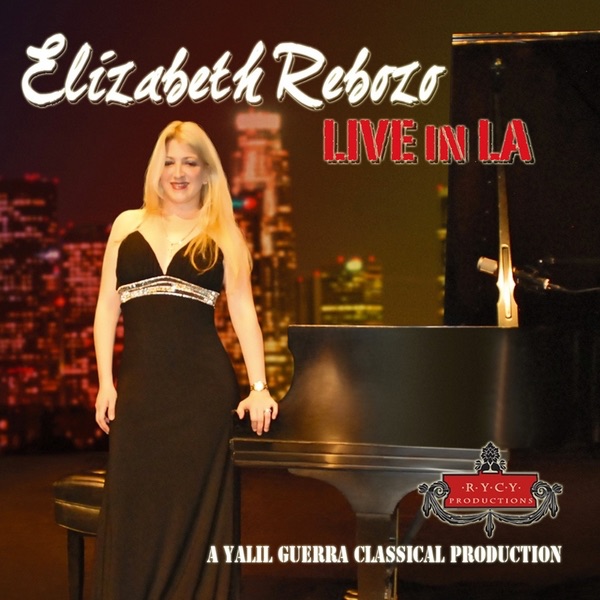 May 18, 2012
 -
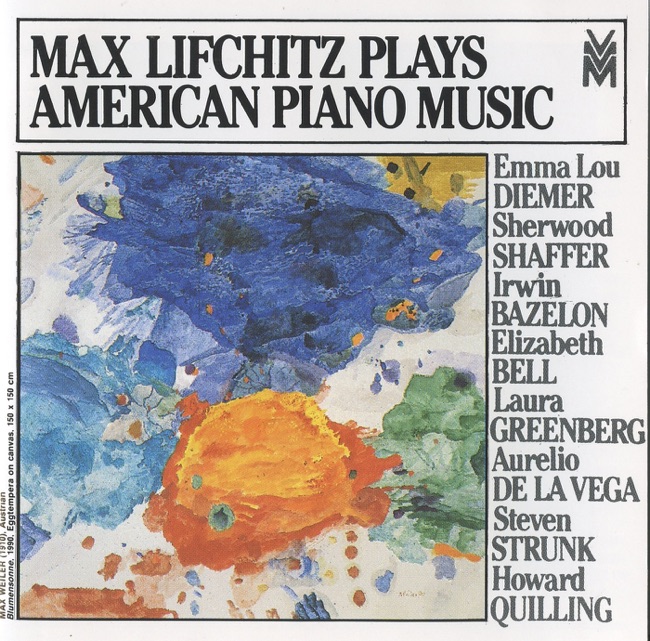 November 1, 2011
 -
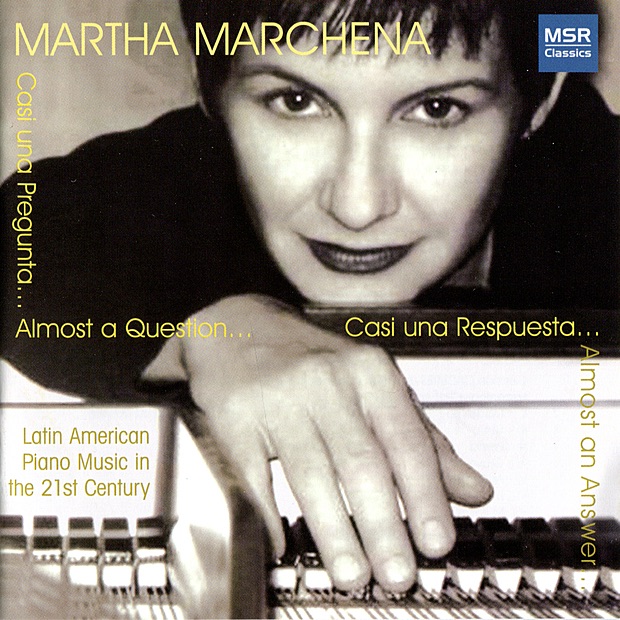 September 8, 2009
 -
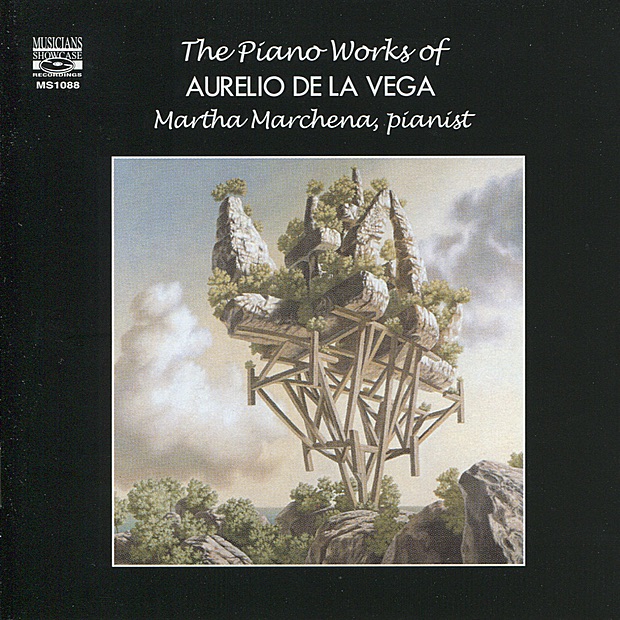 November 25, 2003
 -
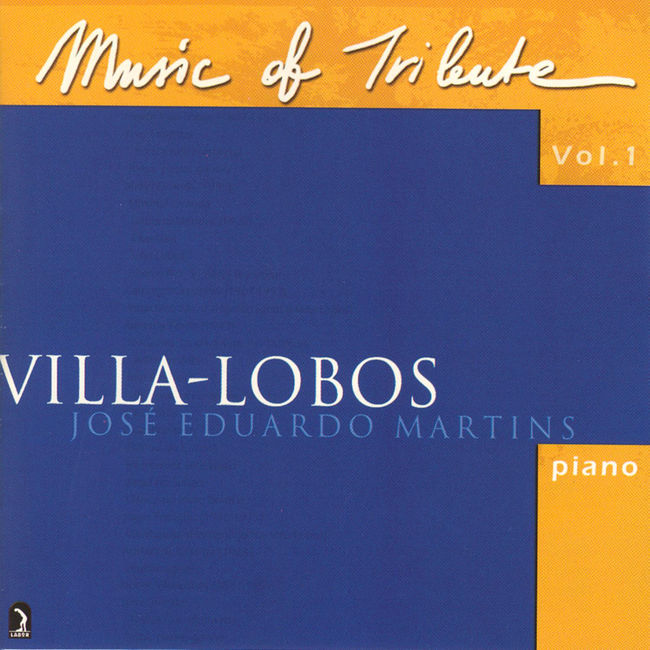 October 30, 2001
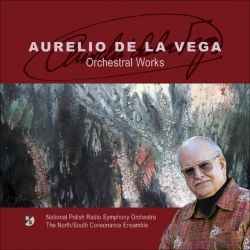
Orchestral
-
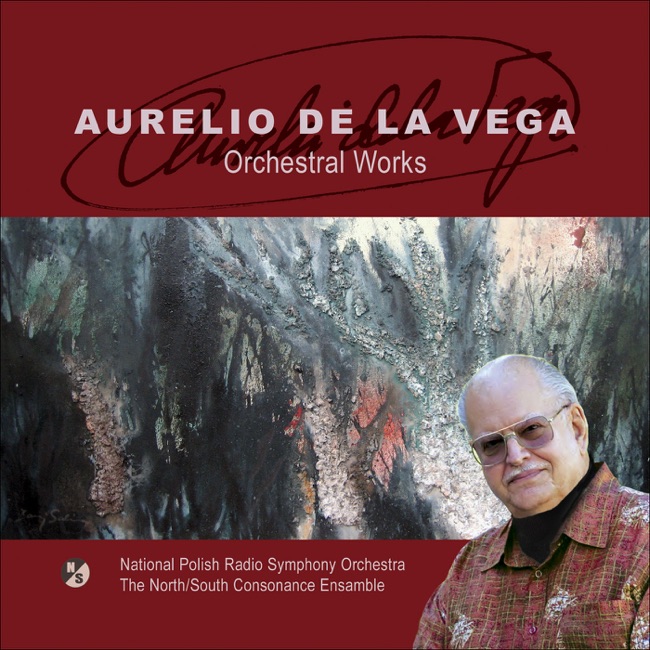 September 29, 2009
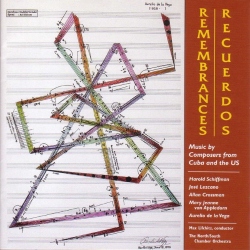
Chamber
-
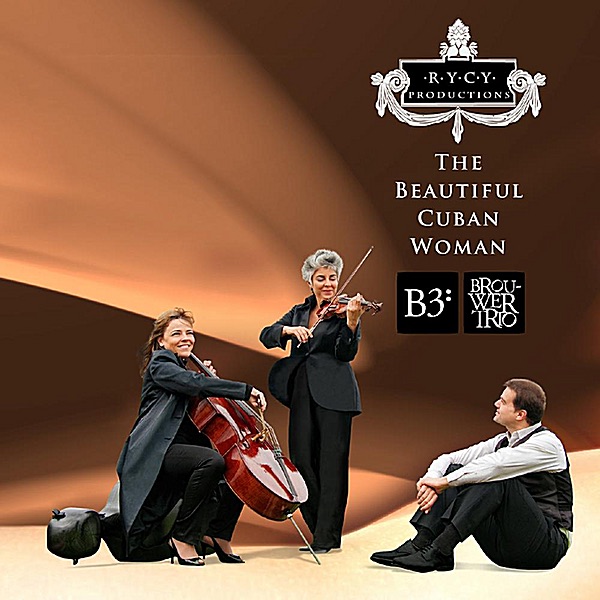 May 25, 2011
 -
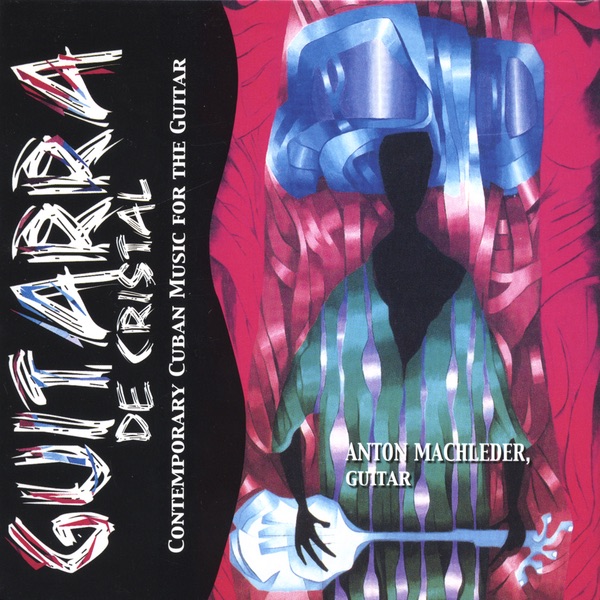 November 2, 2005
Miscellaneous
-
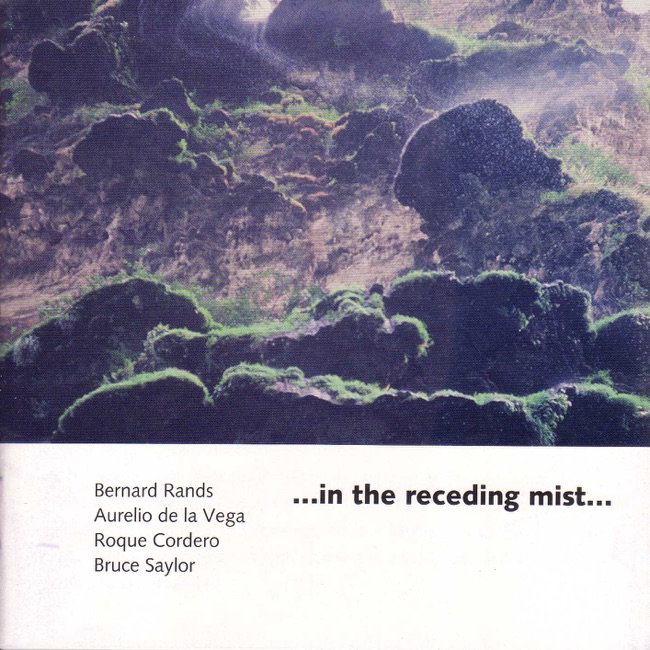 December 1, 1995
Artist Info
Role:ComposerCountry: CubaBirth:November 28, 1925 in Havana, CubaDeath:February 12, 2022 in Northridge, CAGenre:KeyboardAurelio de la Vega was a Cuban-American composer who was born on November 28, 1925, in Havana, Cuba. He was raised in a family of musicians, and his father was a well-known composer and conductor in Cuba. De la Vega began his musical education at a young age, studying piano and composition with his father. He later studied at the National Conservatory of Music in Havana, where he received a degree in composition. In 1959, de la Vega moved to the United States to continue his studies at the University of California, Los Angeles (UCLA). He earned a master's degree in composition and a doctorate in musicology from UCLA. During his time at UCLA, de la Vega studied with some of the most prominent composers of the time, including Lukas Foss, Ernst Toch, and Ingolf Dahl. De la Vega's music is characterized by its use of traditional forms and techniques, combined with modern harmonies and rhythms. His compositions often incorporate elements of Cuban and Latin American music, as well as jazz and other popular styles. He was also known for his use of electronic music, and he was one of the first composers to use computer technology in his compositions. One of de la Vega's most famous works is his "Concerto for Piano and Orchestra," which was premiered in 1963 by the Los Angeles Philharmonic. The concerto is a virtuosic showcase for the soloist, with fast and intricate passages that require great technical skill. The piece also features lush orchestration and a wide range of emotions, from playful to introspective. Another notable work by de la Vega is his "String Quartet No. 2," which was premiered in 1972 by the Kronos Quartet. The quartet is a complex and challenging work, with intricate rhythms and harmonies that require great precision from the performers. The piece also incorporates elements of Cuban and Latin American music, as well as jazz and other popular styles. In addition to his compositions, de la Vega was also a respected musicologist and educator. He taught at UCLA for over 30 years, and he was a visiting professor at several other universities, including the University of Michigan and the University of Texas at Austin. He also wrote several books and articles on music, including a biography of his father, the composer and conductor Aurelio de la Vega Sr. De la Vega received numerous awards and honors throughout his career, including a Guggenheim Fellowship, a Fulbright Scholarship, and the American Academy of Arts and Letters Music Award. He was also a member of several prestigious organizations, including the American Academy of Arts and Sciences and the American Society of Composers, Authors, and Publishers (ASCAP). De la Vega passed away on March 8, 2018, at the age of 92. He left behind a legacy of innovative and influential music, as well as a commitment to education and scholarship in the field of music. His contributions to the world of classical music will continue to be celebrated and studied for generations to come.More....
Recent Artist Music
5
7:58
Copyright Ⓒ 2013 Davinci Finger. All rights reseved
Service Terms & Policy