


James Hook
Released Album
Miscellaneous
-
 September, 1991
Vocal
-
 June 1, 2011
 -
 November 30, 1999
Concerto
-
 July 6, 2009
 -
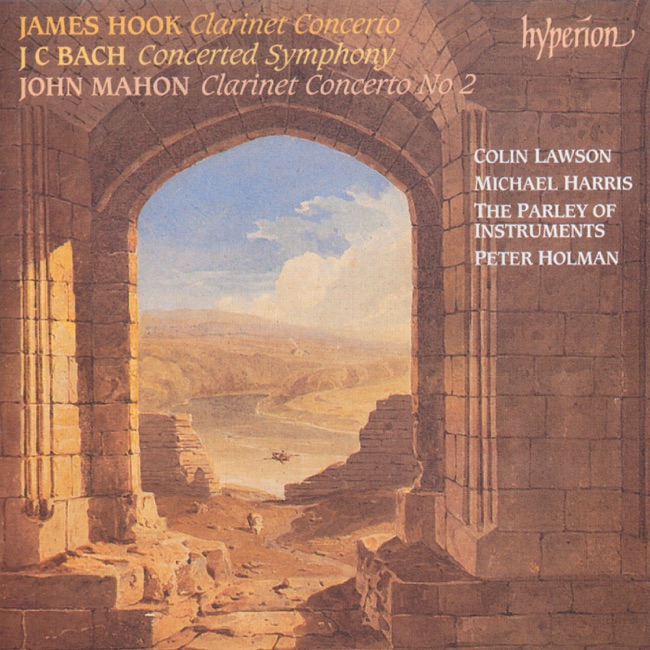 November 6, 2006
 -
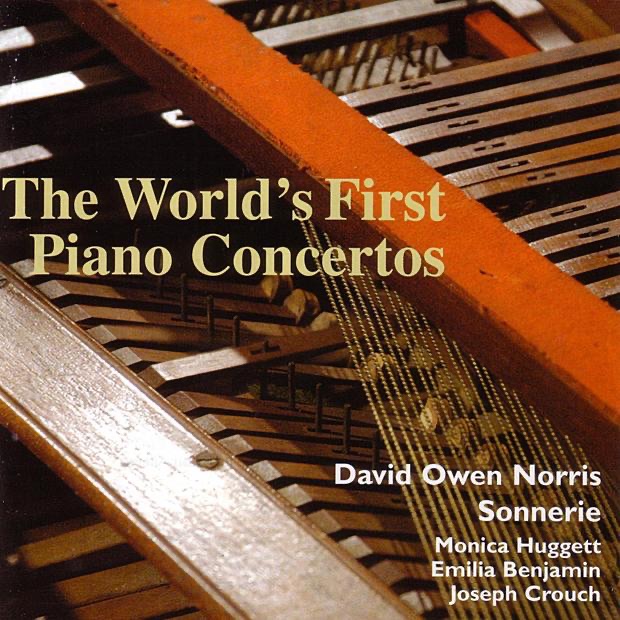 May 27, 2003
Keyboard
-
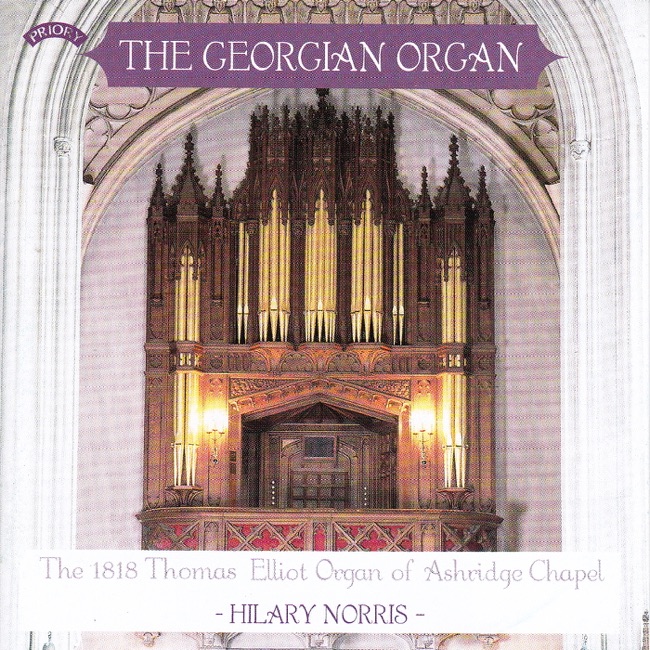 April 24, 2001
Artist Info
Role:ComposerCountry: United KingdomBirth:June 3, 1746Death:1827Period:ClassicalGenre:ConcertoKeyboardVocalJames Hook was a prominent English composer and organist of the late 18th century. He was born on June 3, 1746, in Norwich, England, to a family of musicians. His father, James Hook Sr., was a composer and organist, and his mother, Elizabeth, was a singer. Hook showed an early interest in music and began his musical education at a young age. Hook's father recognized his son's talent and began teaching him music theory and composition. By the age of six, Hook was already performing in public, and by the age of ten, he had composed his first piece of music. In 1758, Hook's family moved to London, where he continued his musical education under the tutelage of Charles Burney, a prominent music historian and composer. In 1763, Hook was appointed as the organist at the Vauxhall Gardens, a popular pleasure garden in London. This was a significant achievement for a young musician, and it helped to establish Hook's reputation as a composer and performer. Hook's music was well-received by audiences, and he quickly became one of the most popular composers of his time. Hook's early works were primarily vocal pieces, including operas, cantatas, and songs. His first opera, The Double Disguise, was performed in 1764 and was a great success. Hook continued to compose operas throughout his career, including The Soldier's Return (1767), The Fair Peruvian (1771), and The Lady of the Manor (1786). In addition to his operas, Hook also composed a significant amount of instrumental music, including sonatas, concertos, and symphonies. His instrumental works were highly regarded by his contemporaries, and they helped to establish him as one of the leading composers of his time. One of Hook's most famous works is his Concerto for Two Organs in C Major, which he composed in 1778. This piece was written for two organs and orchestra and is considered one of the finest examples of the genre. The concerto features intricate counterpoint and virtuosic organ writing, and it remains a popular piece in the organ repertoire today. Another notable work by Hook is his Trio Sonata in G Major, which he composed in 1776. This piece is written for two violins and basso continuo and is a fine example of the Baroque trio sonata form. The piece features lively dance movements and intricate counterpoint, and it remains a popular work in the chamber music repertoire. Hook's music was highly regarded during his lifetime, and he was considered one of the leading composers of his time. His works were performed throughout Europe, and he was particularly popular in Germany, where his music was admired by composers such as Mozart and Beethoven. Despite his success as a composer, Hook's personal life was marked by tragedy. He suffered from poor health throughout his life and was plagued by financial difficulties. He also experienced personal loss, including the death of his wife and several of his children. Despite these challenges, Hook continued to compose music throughout his life. He remained active as a composer and performer until his death on August 1827, in Boulogne-sur-Mer, France. His legacy as a composer and organist continues to be celebrated today, and his music remains an important part of the classical music repertoire.More....
Recent Artist Music
9
4:57
Copyright Ⓒ 2013 Davinci Finger. All rights reseved
Service Terms & Policy