


George Onslow
Released Album
Chamber
-
 April 9, 2021
 -
 August 7, 2020
 -
 April 19, 2019
 -
 December 7, 2018
 -
 January 12, 2018
 -
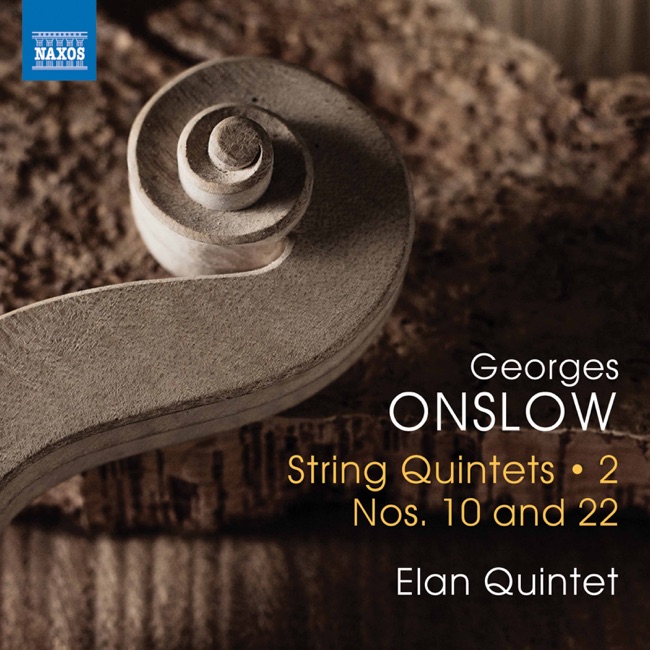 September 8, 2017
Keyboard
-
 October 20, 2017
 -
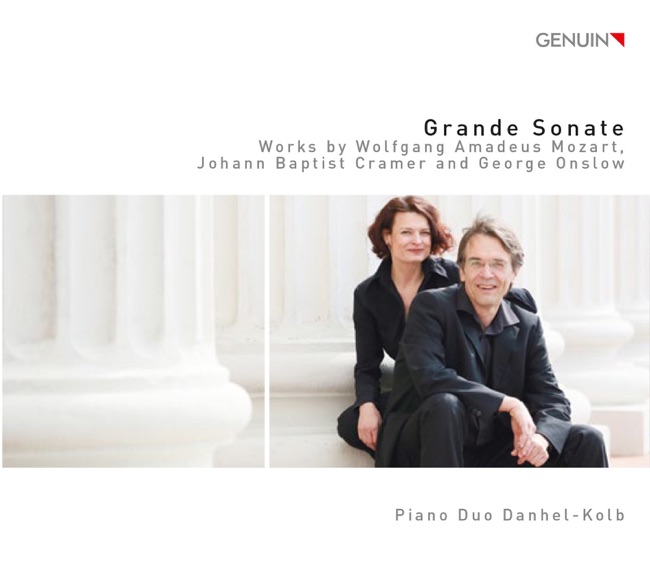 September 2, 2013
 -
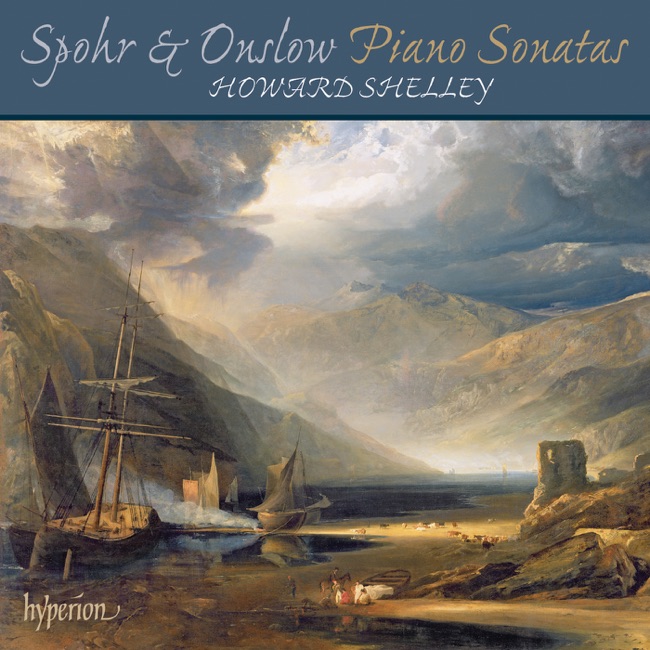 September 3, 2012
 -
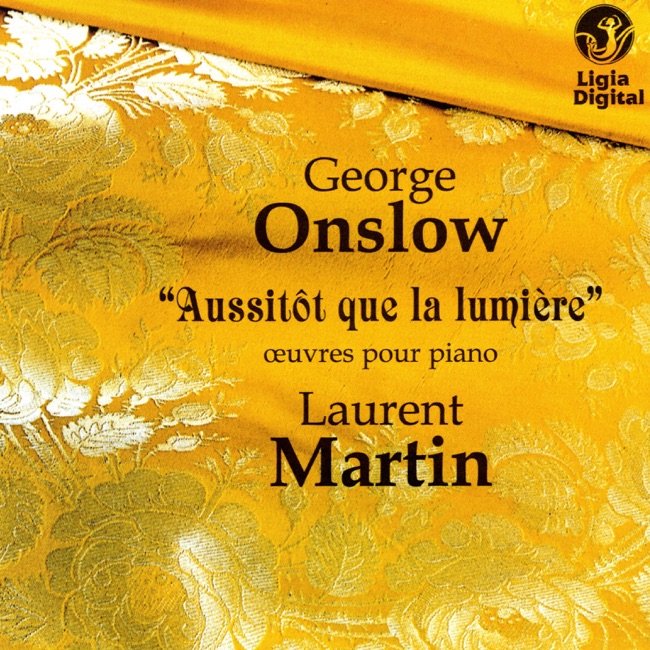 July 13, 2010
 -
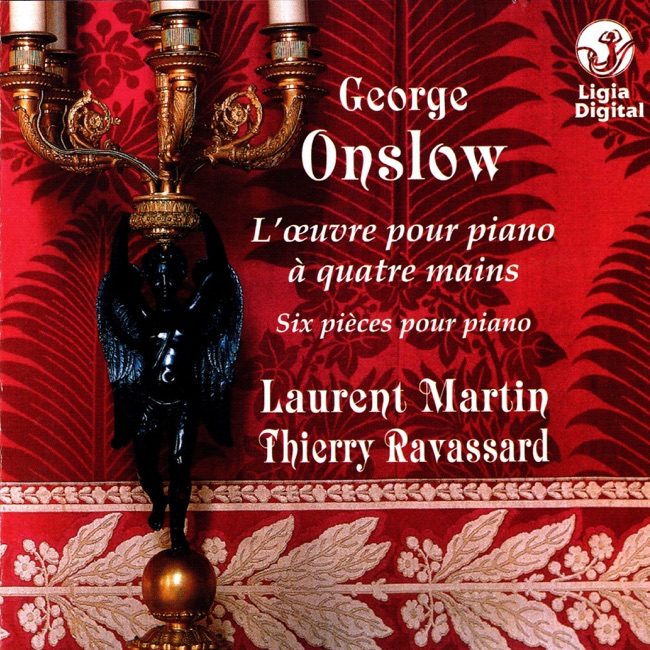 May 11, 2010
 -
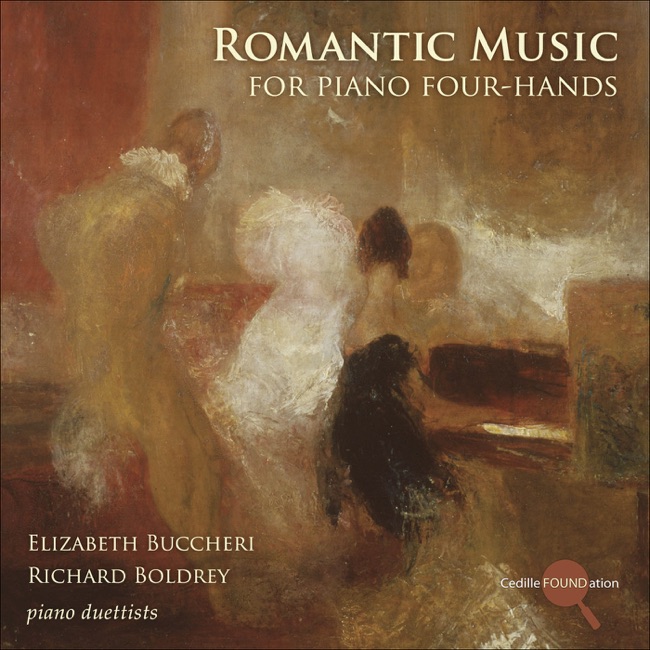 April 14, 2009
Symphony
-
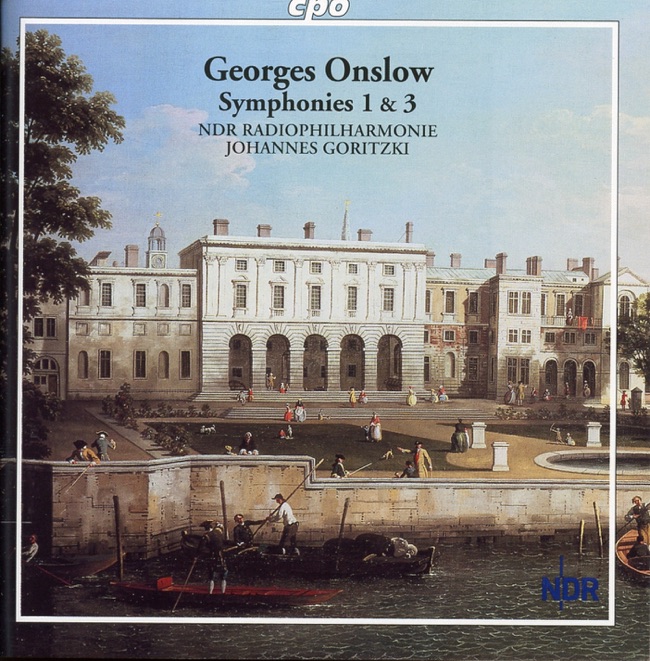 November 1, 2004
 -
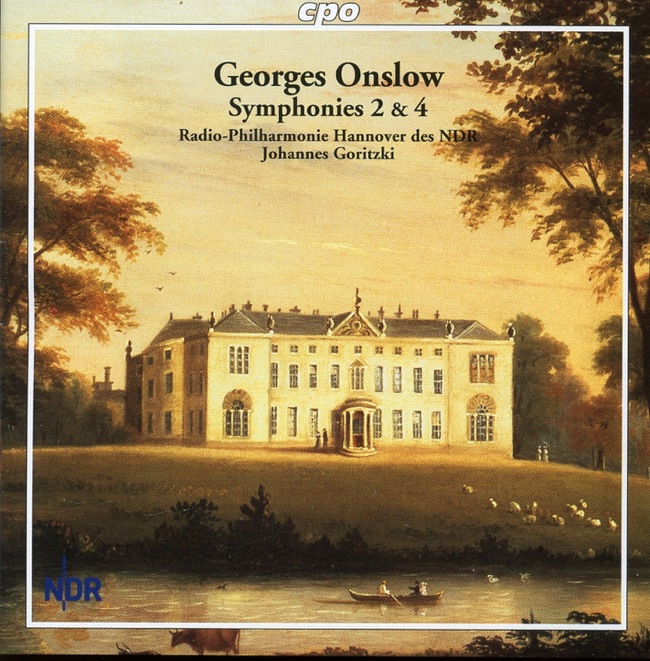 April 16, 2002
 -
 January 30, 1996
Artist Info
Role:ComposerCountry: FranceBirth:July 27, 1784 in Clermont-Ferrand, FranceDeath:October 3, 1853 in Clermont-Ferrand, FrancePeriod:RomanticGenre:ChamberKeyboardSymphonyGeorge Onslow was a French composer of classical music who was born on July 27, 1784, in Clermont-Ferrand, France. He was the son of an English father, Edward Onslow, and a French mother, Marie Rosalie de Bourdeille. His father was a member of the British Parliament and a wealthy landowner, while his mother was a talented musician who played the harp and the piano. Onslow grew up in a musical family and received his first music lessons from his mother. He showed an early talent for music and began composing at a young age. He was also a skilled pianist and cellist and often performed in public concerts. In 1804, Onslow moved to Paris to study music with the renowned composer Luigi Boccherini. He also studied with the composer and violinist Pierre Rode and the pianist Johann Nepomuk Hummel. During this time, he became friends with many of the leading musicians and composers of the day, including Ludwig van Beethoven, Franz Schubert, and Felix Mendelssohn. Onslow's early compositions were influenced by the classical style of Haydn and Mozart, but he soon developed his own unique style that blended elements of classical and romantic music. He was particularly known for his chamber music, which included over 70 string quartets, 36 string quintets, and numerous other works for various combinations of instruments. One of Onslow's most famous works is his String Quintet No. 2 in G Major, Op. 16, which was composed in 1825. The quintet is known for its lively and energetic melodies, as well as its intricate harmonies and complex rhythms. It has been praised for its originality and its ability to capture the spirit of the Romantic era. Another notable work by Onslow is his Symphony No. 2 in D Major, Op. 42, which was composed in 1834. The symphony is a grand and majestic work that showcases Onslow's skill as an orchestrator. It features a wide range of instruments, including horns, trumpets, timpani, and strings, and is known for its dramatic and powerful themes. Onslow's music was highly regarded during his lifetime, and he was considered one of the leading composers of his day. However, his reputation declined after his death, and his music fell out of favor with audiences and critics. It was not until the 20th century that his music began to be rediscovered and appreciated once again. Today, Onslow is recognized as an important figure in the development of chamber music and is considered one of the most prolific composers of string quartets in the 19th century. His music is known for its originality, its technical skill, and its ability to capture the spirit of the Romantic era. George Onslow died on October 3, 1853, in Clermont-Ferrand, France, at the age of 69. He left behind a legacy of over 300 works, including symphonies, chamber music, and operas, that continue to be performed and enjoyed by audiences around the world.More....
Recent Artist Music

4
17:2

9
Sextet for piano, 2 violins, viola, cello & double bass in E flat major, Op. thirty
Allegro vivace assai
12:36
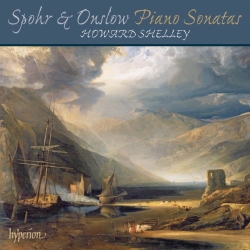
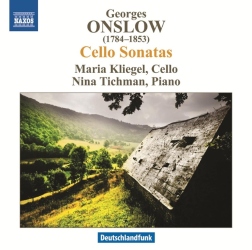
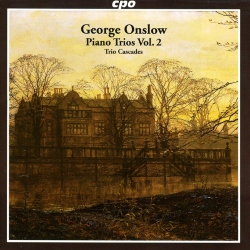
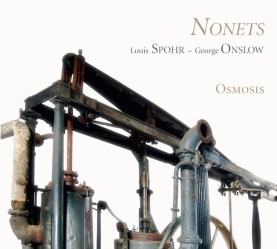
Recommend Playlist



Copyright Ⓒ 2013 Davinci Finger. All rights reseved
Service Terms & Policy