


Andreas Romberg
Released Album
Chamber
-
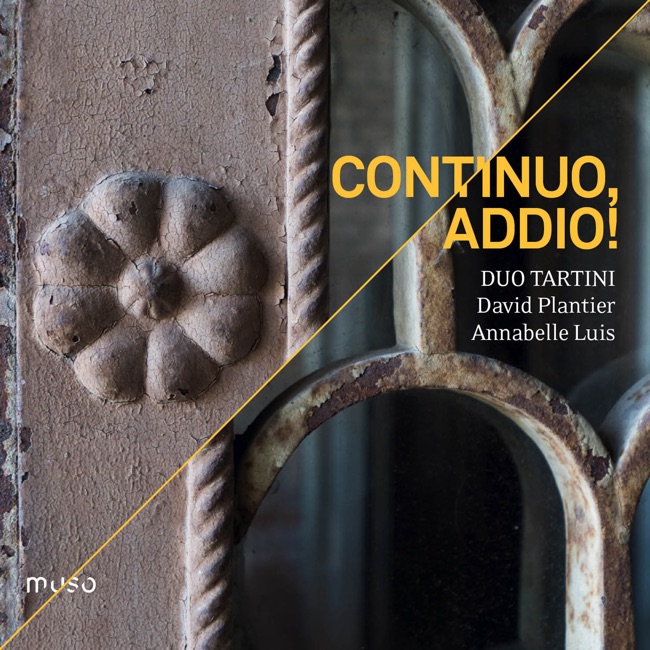 September 13, 2019
 -
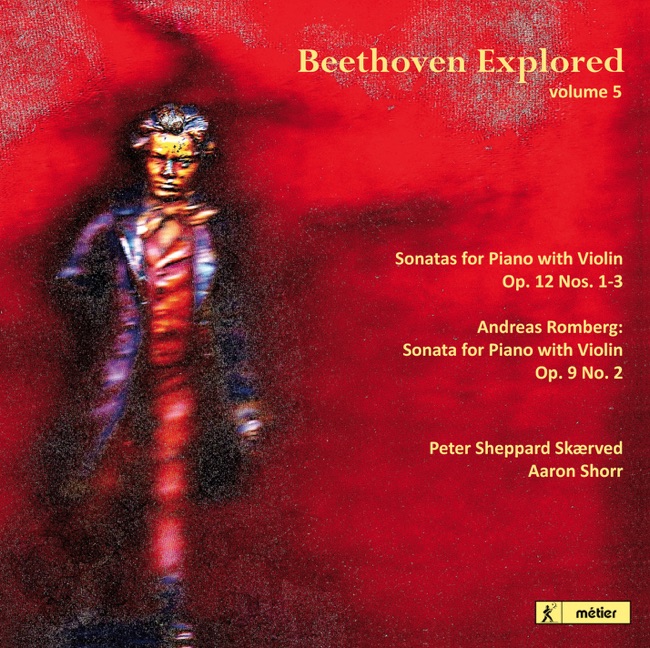 September 2, 2013
 -
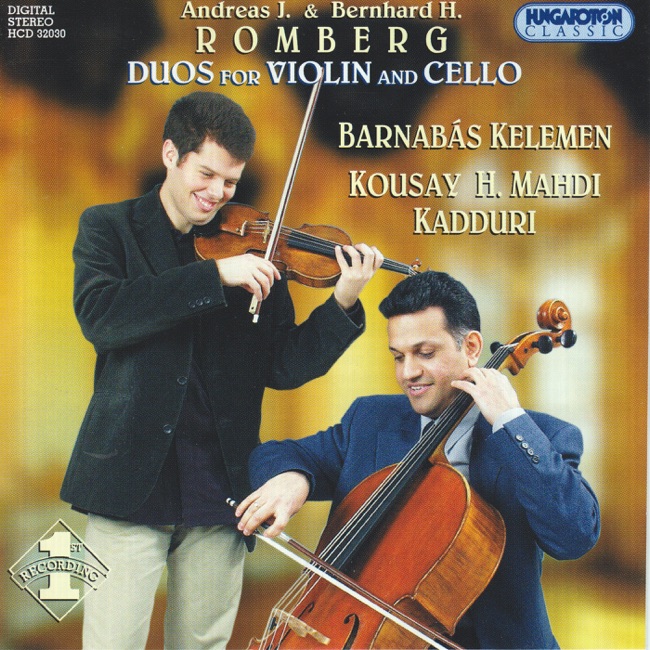 April 16, 2002
 -
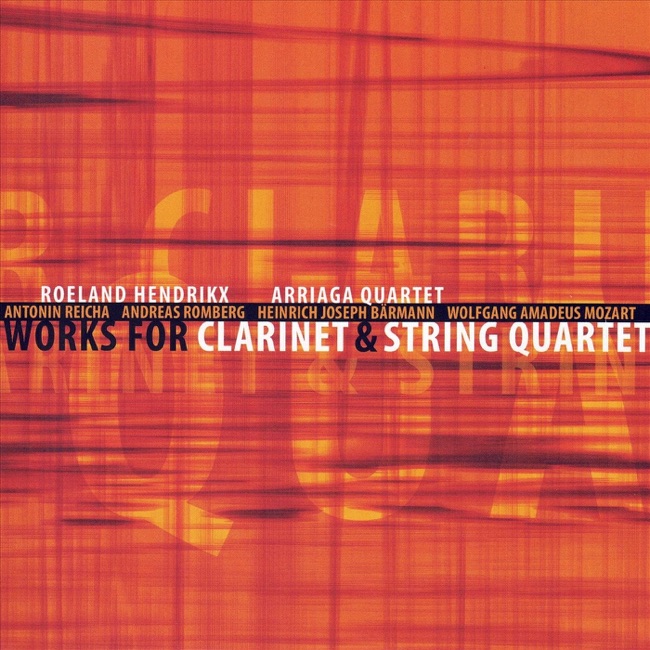 January 4, 2001
 -
 November 16, 1995
 -
Vocal
-
 September 30, 1994
 -
 January 1, 1992
Symphony
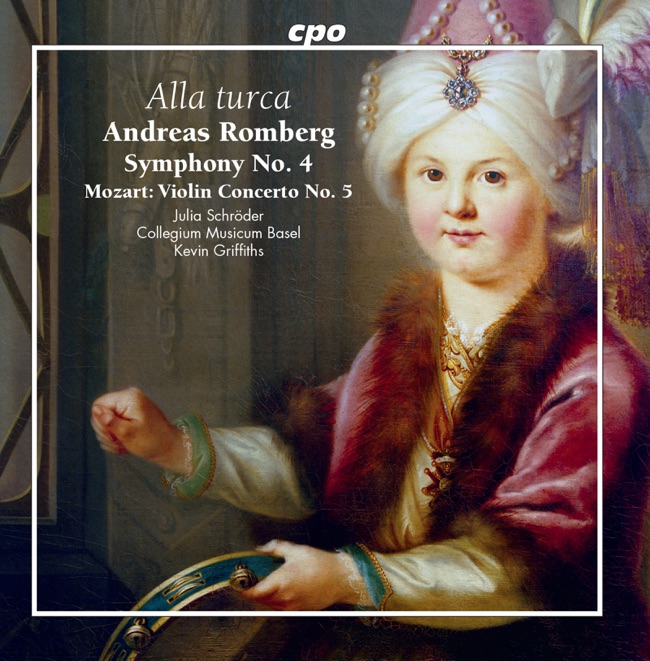
Concerto
-
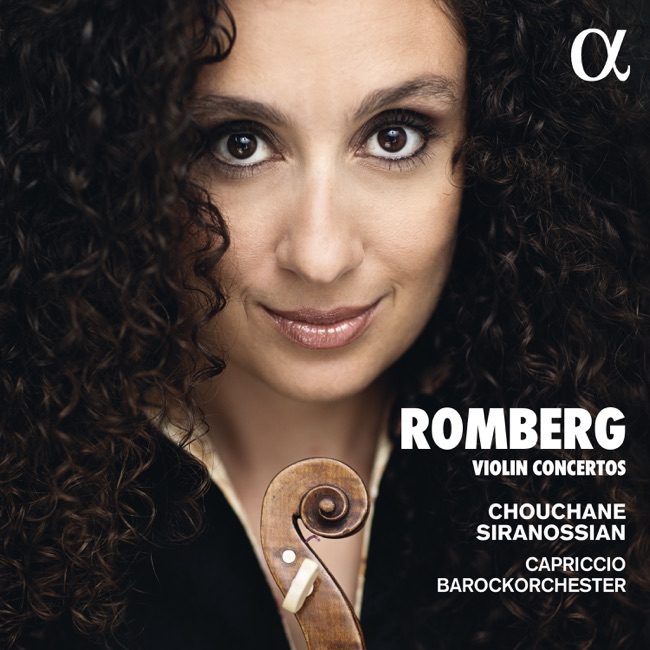 January 22, 2021
Artist Info
Role:ComposerCountry: GermanyBirth:April 27, 1767 in Vechta, GermanyDeath:November 10, 1821 in Gotha, GermanyPeriod:ClassicalGenre:ChamberVocalAndreas Romberg was a German composer and violinist who lived from 1767 to 1821. He was born in Vechta, a small town in Lower Saxony, Germany, to a family of musicians. His father, Anton Romberg, was a cellist and his mother, Maria Theresia Romberg, was a singer. Andreas was the youngest of their three children, and he showed an early talent for music. At the age of six, Andreas began taking violin lessons from his father. He quickly became proficient on the instrument and began performing in public at the age of nine. In 1781, when Andreas was fourteen, his family moved to Münster, where he continued his musical studies with the violinist Franz Christoph Neubauer. Neubauer was a well-respected musician who had studied with the famous Italian violinist Giuseppe Tartini. In 1785, Andreas moved to Hamburg, where he joined the orchestra of the Hamburg Opera. He quickly established himself as a talented violinist and composer, and he began to receive commissions for his music. In 1787, he composed his first opera, "Der Rabe," which was well-received by audiences in Hamburg. In 1790, Andreas moved to Paris, where he studied with the famous violinist Giovanni Battista Viotti. Viotti was one of the most important violinists of his time, and he had a profound influence on Andreas's musical style. While in Paris, Andreas composed several works for the violin, including his "Violin Concerto No. 1 in B-flat major," which is still performed today. In 1796, Andreas returned to Germany and settled in Frankfurt. He became the concertmaster of the Frankfurt Opera and continued to compose music for the violin. In 1800, he composed his "Violin Concerto No. 2 in F major," which is considered one of his most important works. In 1804, Andreas moved to Vienna, where he became a member of the court orchestra. He continued to compose music for the violin, as well as chamber music and operas. In 1815, he composed his "String Quartet No. 1 in E-flat major," which is still performed today. Andreas's music was influenced by the classical style of Mozart and Haydn, as well as the romantic style of Beethoven. His compositions are known for their lyricism and technical virtuosity, particularly in his works for the violin. He was also known for his use of chromaticism and his innovative harmonies. Andreas Romberg died in Frankfurt in 1821 at the age of 54. He left behind a legacy of music that continues to be performed and appreciated today. His works for the violin, in particular, are considered some of the most important in the classical repertoire.More....
Recent Artist Music

5
10:28
7
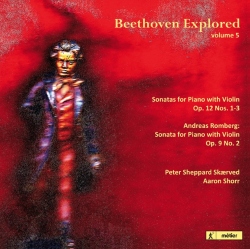
Sonata for piano & violin in B flat major ("Scottish"), Op. 9/2
3. Allegretto 'Down the burn, and thro' the mead'
4:6
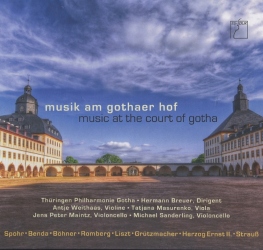
9
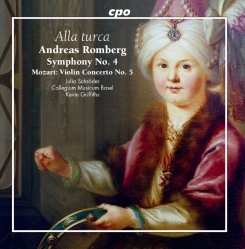
6:57
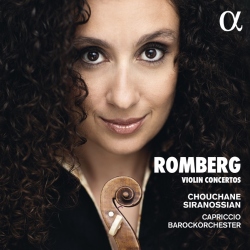
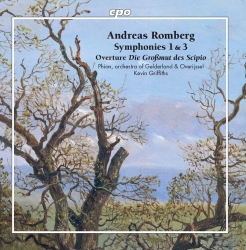
13
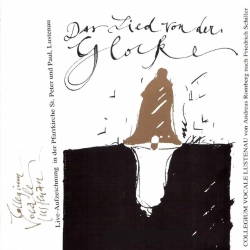
The Song of the Bell, Op. 25
No. 5, Holder Friede, süsse Eintracht - Nun zerbrecht mir das Gebäude
2:47
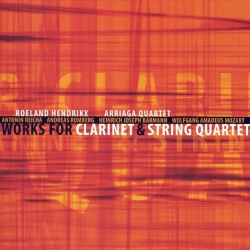
15
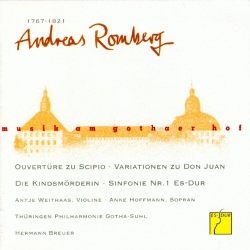
5:38
Recommend Playlist



Copyright Ⓒ 2013 Davinci Finger. All rights reseved
Service Terms & Policy