


Akira Ifukube
Released Album
Orchestral
-
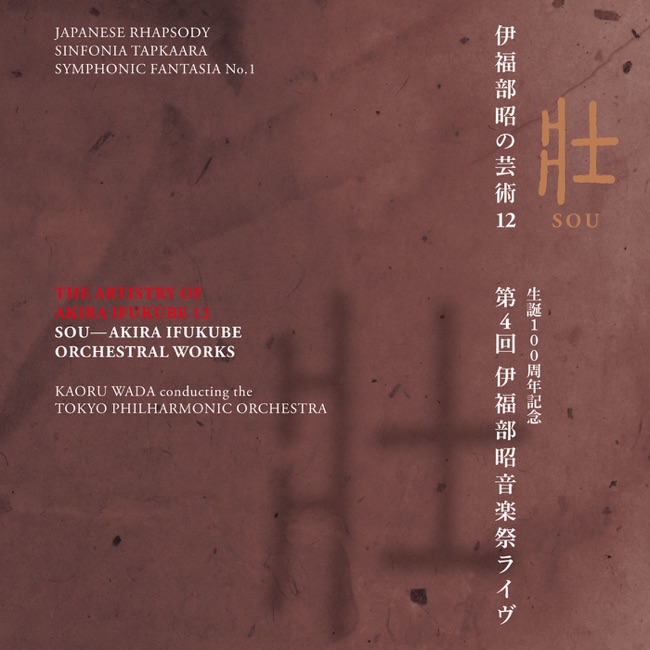 October 22, 2014
 -

-
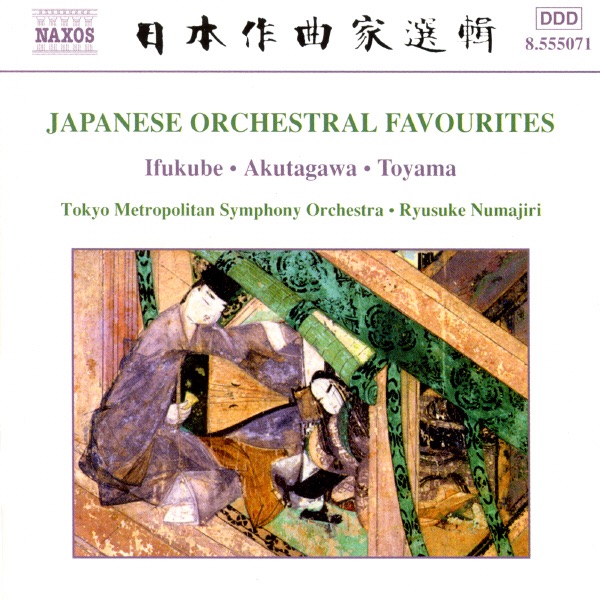 May 21, 2002
Vocal
-
 August 17, 2018
 -
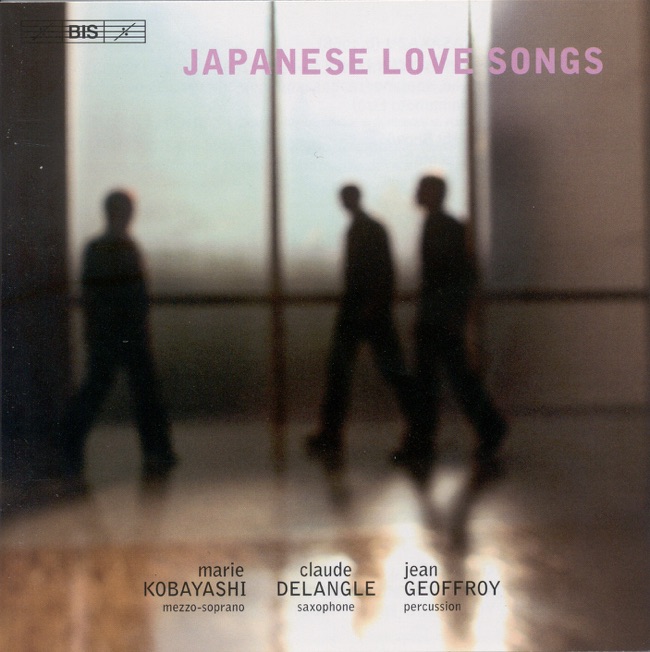 July 28, 2009
Artist Info
Role:ComposerCountry: JapanBirth:May 31, 1914 in Kushiro, JapanDeath:February 8, 2006 in Tokyo, JapanPeriod:ContemporaryModernGenre:FilmVocalAkira Ifukube was a renowned Japanese composer, best known for his contributions to the world of classical music. Born on May 31, 1914, in Hokkaido, Japan, Ifukube was the third son of a Shinto priest. His father was a strict disciplinarian who instilled in him a love for music and the arts from a young age. Ifukube's early years were spent in Hokkaido, where he was exposed to the traditional music of the Ainu people, the indigenous inhabitants of the island. He was fascinated by the unique sounds and rhythms of their music and began to experiment with incorporating these elements into his own compositions. In 1935, Ifukube moved to Tokyo to study forestry at the University of Tokyo. However, his passion for music soon led him to enroll in the Tokyo Music School, where he studied under the renowned composer and conductor Fumio Hayasaka. It was during this time that Ifukube began to develop his own unique style, blending traditional Japanese music with Western classical music. Ifukube's first major composition was the "Japanese Rhapsody," which he wrote in 1937. The piece was a fusion of traditional Japanese melodies and Western orchestration and was well-received by audiences and critics alike. This success led to Ifukube being commissioned to write music for a number of films, including "The End of the Silver Mountains" and "The War at Sea from Hawaii to Malaya." However, Ifukube's career was interrupted by World War II, during which he served in the Japanese army. After the war, he returned to Tokyo and resumed his career as a composer. In 1948, he wrote the music for the film "Snow Trail," which was a critical and commercial success. This led to a string of commissions for film scores, including the iconic music for the original "Godzilla" film in 1954. Ifukube's music for "Godzilla" was groundbreaking, using a combination of traditional Japanese instruments and Western orchestration to create a unique and powerful sound. The film's success led to Ifukube becoming one of the most sought-after film composers in Japan, and he went on to write music for over 250 films throughout his career. Despite his success in the film industry, Ifukube remained committed to his classical music career. In 1953, he wrote his first symphony, which was inspired by the atomic bombing of Hiroshima and Nagasaki. The piece was a powerful and emotional work that showcased Ifukube's skill as a composer. Over the years, Ifukube continued to write symphonies, concertos, and other classical works, many of which were inspired by his love for nature and the environment. He was also a passionate advocate for the preservation of traditional Japanese music and worked to incorporate these elements into his own compositions. Ifukube's contributions to the world of classical music were recognized with numerous awards and honors throughout his career. In 1983, he was awarded the Order of Culture, one of Japan's highest honors, for his contributions to the arts. He also received the Japan Record Award for his album "Symphonic Fantasia No. 1" in 1984. Ifukube continued to compose music until his death on February 8, 2006, at the age of 91. His legacy lives on through his music, which continues to inspire and captivate audiences around the world.More....
Recent Artist Music

3
21:32
4
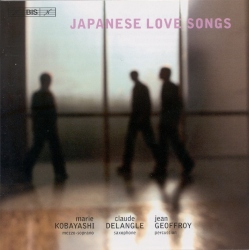
Eclogues after Epos Among Aino Races for voice & 4 timpani
Shine onne ekashi kor shinotcha (Song of an old woman)
4:37


7

19:47

9
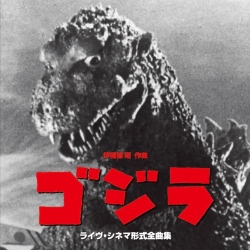
Godzilla
Godzilla vs. Kingghidorah - No. 7
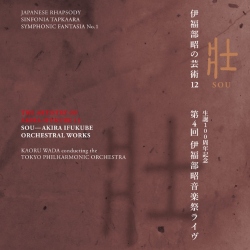
Dvorak: Symphony No. 9 "From the New World"; Ifukube: Sinfonia Tapkaara; Godzilla, Symphonic Fantasy
2:34

Copyright Ⓒ 2013 Davinci Finger. All rights reseved
Service Terms & Policy