


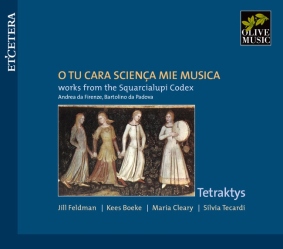
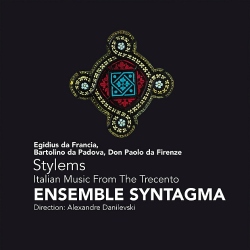
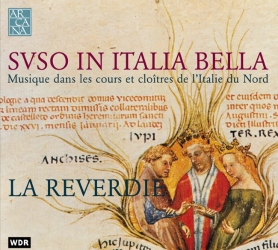
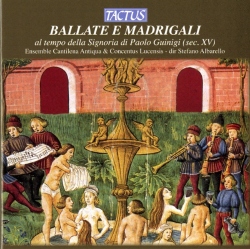
Bartolino da Padova
Released Album
Vocal
-
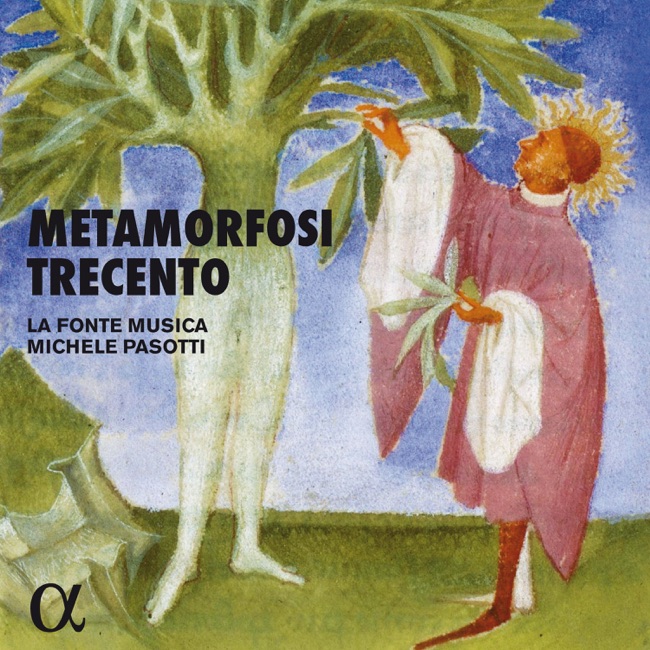 January 27, 2017
 -
 April 10, 2012
 -
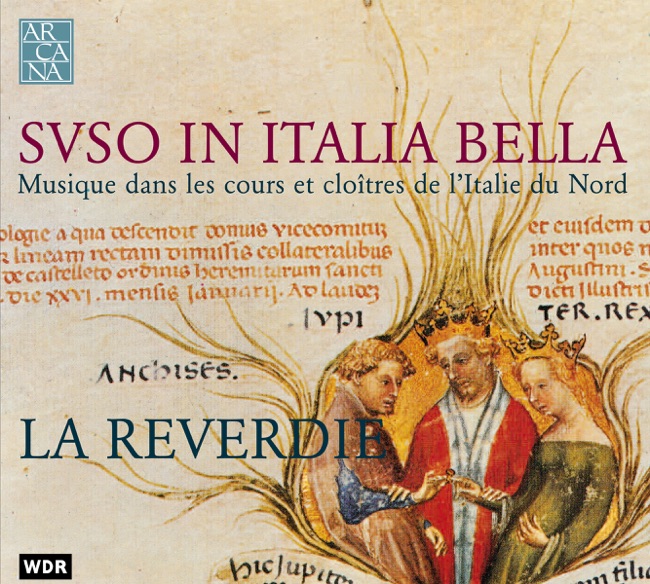
-
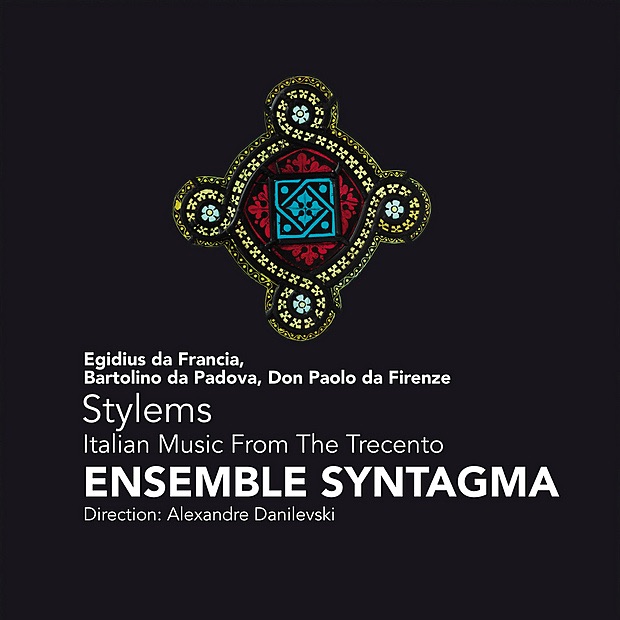 November 11, 2008
 -
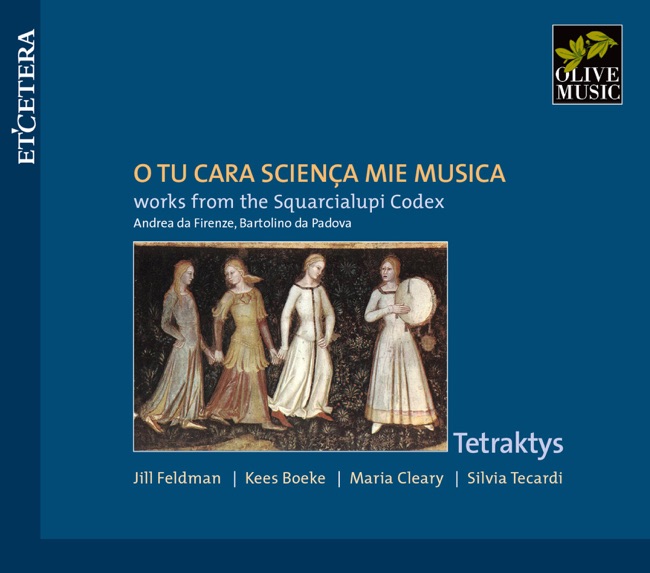 July 25, 2006
 -
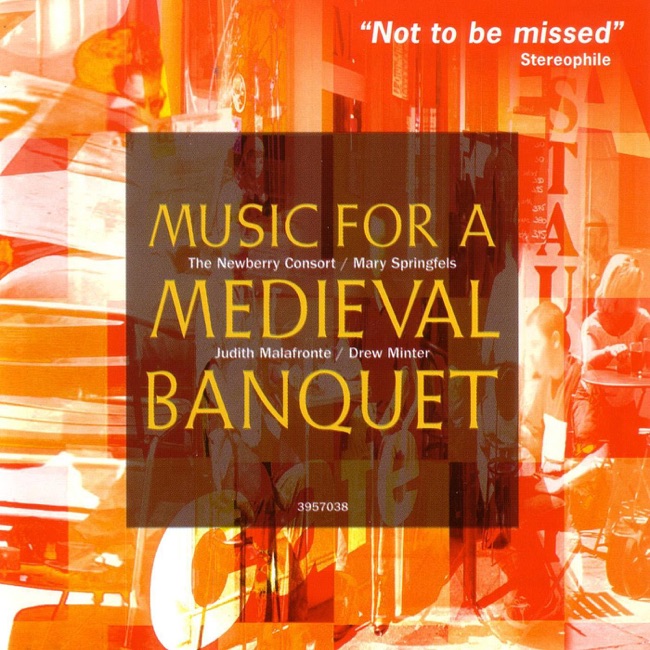 May 8, 2001
Artist Info
Role:ComposerCountry: ItalyBirth:ca. 1340 in Padua, ItalyDeath:ca. 1405 in Padua, ItalyPeriod:RenaissanceGenre:KeyboardVocalBartolino da Padova was a prominent composer of the late medieval period, born in Padua, Italy, in the early 14th century. Not much is known about his early life, but it is believed that he received his musical education in Padua, which was a thriving center of music and culture at the time. Bartolino's musical career began in the early 1350s when he was appointed as a singer at the Basilica of Saint Anthony in Padua. He quickly gained a reputation as a talented composer and musician, and his works were soon being performed in churches and courts throughout Italy. One of Bartolino's most significant contributions to music was his development of the ballata, a popular form of secular song in Italy during the 14th century. The ballata was typically written in the vernacular language and featured a simple melody accompanied by a single instrument, such as a lute or a harp. Bartolino's ballatas were known for their elegant melodies and sophisticated harmonies, and they quickly became popular throughout Italy. In addition to his ballatas, Bartolino also composed a number of sacred works, including masses, motets, and hymns. His sacred music was characterized by its intricate polyphony and its use of complex rhythmic patterns, which were influenced by the music of the Ars Nova, a musical style that was popular in France during the 14th century. One of Bartolino's most famous works is his Missa de Sancto Antonio, a mass that was composed in honor of Saint Anthony, the patron saint of Padua. The mass is notable for its use of a cantus firmus, a pre-existing melody that is used as the basis for the composition. In this case, the cantus firmus is a popular hymn to Saint Anthony, which is woven throughout the mass in various forms. Another notable work by Bartolino is his motet "Ave Maria, gratia plena," which is a setting of the Hail Mary prayer. The motet is written in three parts and features a complex polyphonic texture that is typical of Bartolino's style. The piece is notable for its use of dissonance, which was a relatively new technique in the 14th century. Bartolino's music was highly regarded during his lifetime, and he was often called upon to compose music for important events and occasions. He was particularly popular among the nobility, and his music was frequently performed at courtly gatherings and banquets. Despite his success, Bartolino's life was not without its challenges. He lived during a time of great political and social upheaval in Italy, and he was forced to navigate the complex political landscape of the time. He also faced competition from other composers, many of whom were also vying for the attention of the wealthy and powerful. Despite these challenges, Bartolino continued to compose music throughout his life, and his legacy has endured to this day. His music is still performed and studied by musicians and scholars around the world, and he is remembered as one of the most important composers of the late medieval period.More....
Recent Artist Music
3
6:20
5
4:30
6
4:43
7
6:35
10
4:49
Copyright Ⓒ 2013 Davinci Finger. All rights reseved
Service Terms & Policy