


Ishiro Nodaira
Released Album
Chamber
-
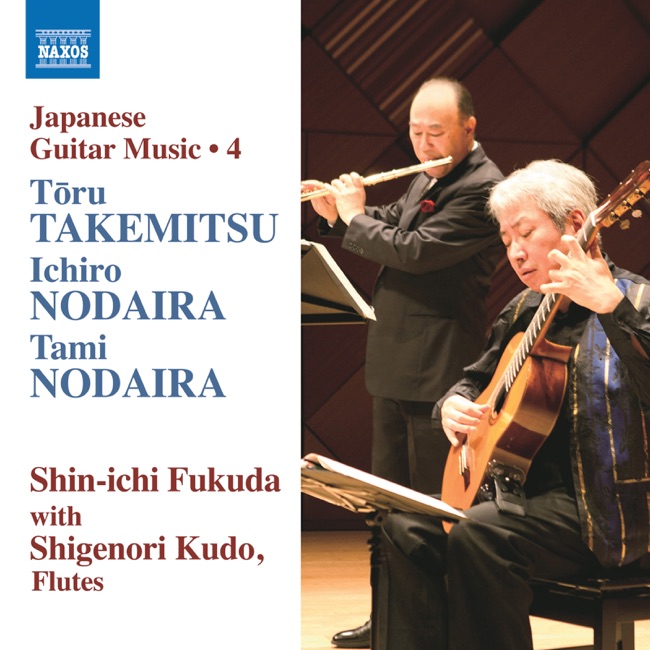 August 10, 2018
 -
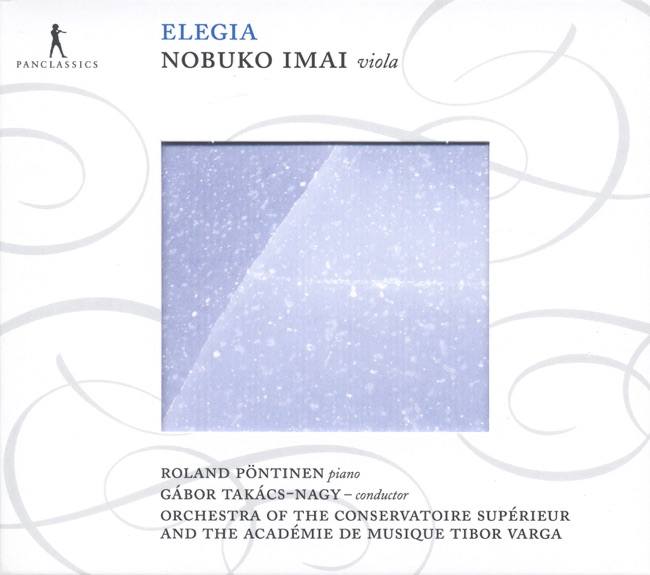 April 28, 2009
 -
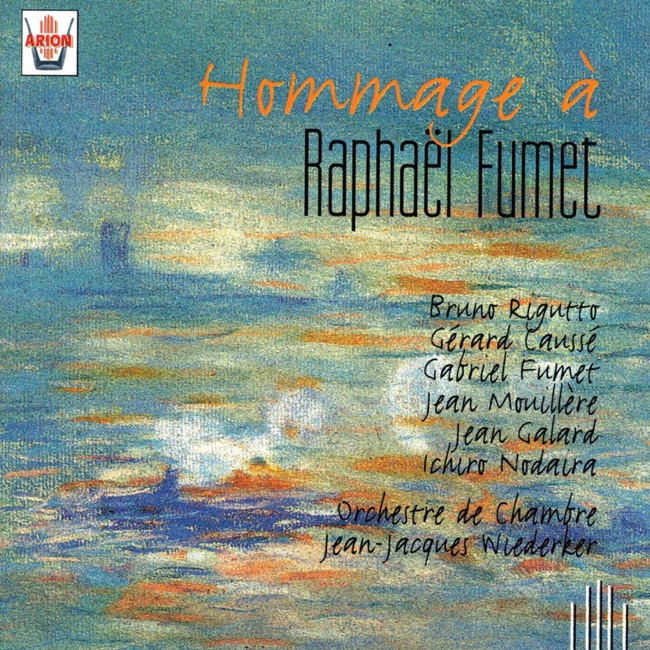 August 17, 1999
 -
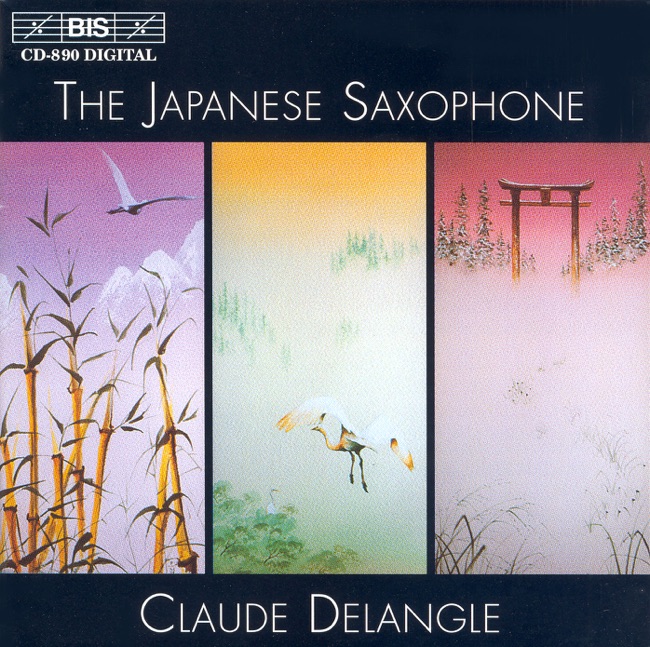 June, 1998
Vocal
-
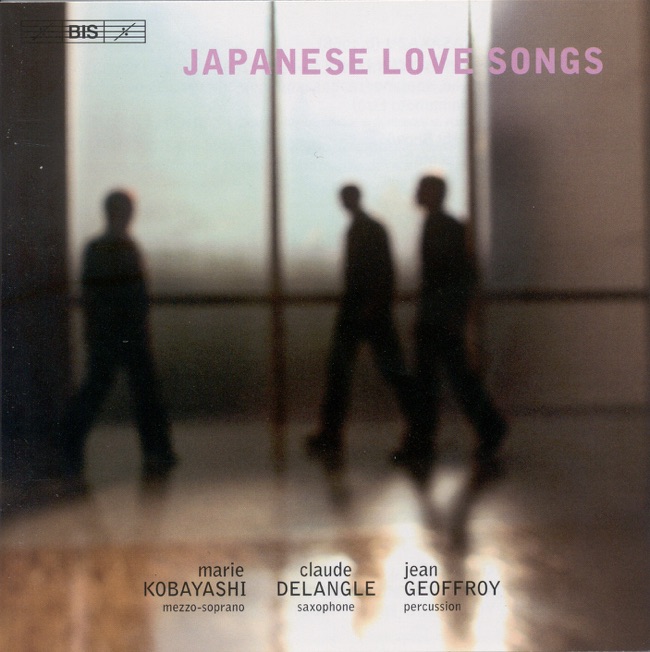 July 28, 2009
Orchestral
-
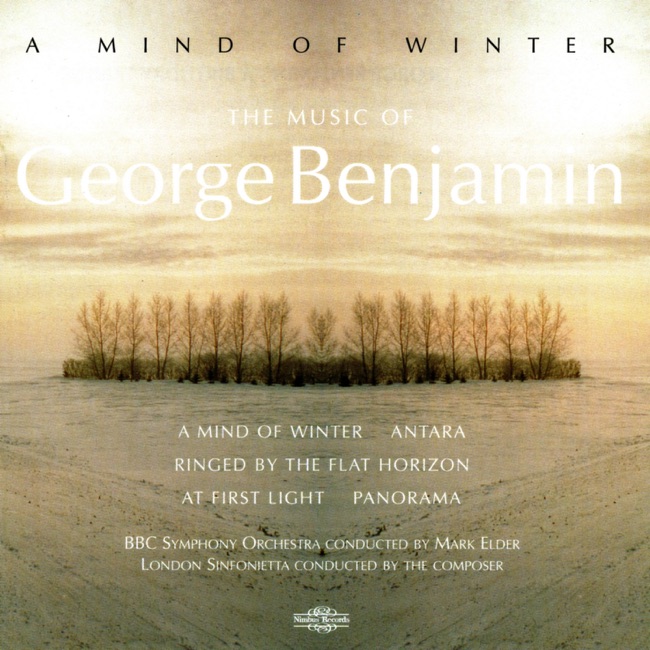 April 6, 2000
Miscellaneous
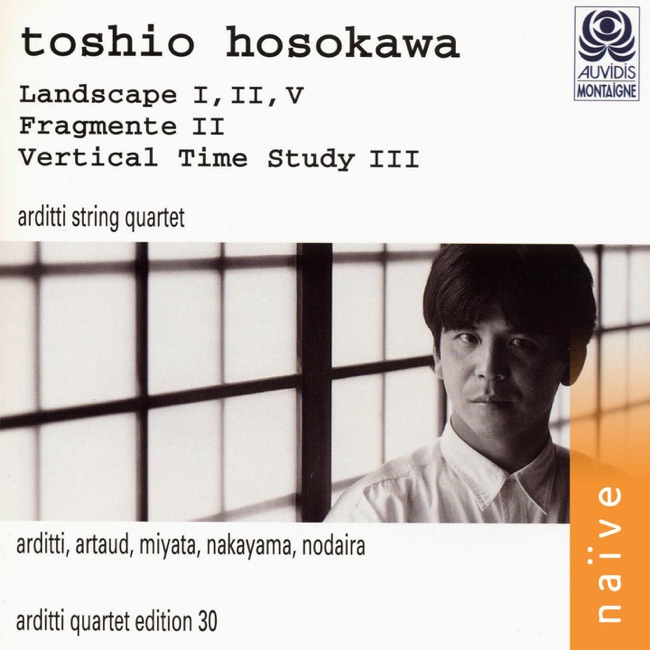
Artist Info
Role:ComposerBirth:May 5, 1953 in Tokyo, JapanPeriod:RomanticContemporaryModernGenre:ChamberConcertoOrchestralIshiro Nodaira was a Japanese composer of classical music who was born on October 29, 1927, in Tokyo, Japan. He was the son of a prominent Japanese composer, Kozaburo Nodaira, who was also a professor of music at the Tokyo National University of Fine Arts and Music. Ishiro Nodaira grew up in a musical family and was exposed to music from a very young age. He began studying piano at the age of four and later went on to study composition under his father. Nodaira's early compositions were heavily influenced by the Western classical music tradition, particularly the works of composers such as Bach, Beethoven, and Brahms. However, he also drew inspiration from Japanese traditional music and incorporated elements of it into his compositions. His music was characterized by its complex harmonies, intricate rhythms, and use of unconventional scales and modes. Nodaira's first major composition was his Piano Sonata No. 1, which he wrote in 1950. The piece was well-received and helped establish him as a promising young composer. He went on to write a number of other works for piano, including his Piano Sonata No. 2, which was premiered in 1953. In the 1950s, Nodaira began to gain international recognition for his compositions. He won several awards for his music, including the prestigious Otaka Prize in 1954. He also received commissions from a number of prominent orchestras and ensembles, including the NHK Symphony Orchestra and the Tokyo String Quartet. One of Nodaira's most famous works is his Symphony No. 1, which he wrote in 1956. The piece was inspired by the atomic bombing of Hiroshima and Nagasaki and is a powerful reflection on the devastation and loss of life caused by the bombings. The symphony is characterized by its use of dissonance and unconventional harmonies, which create a sense of tension and unease. Nodaira continued to write music throughout the 1960s and 1970s, and his compositions became increasingly experimental and avant-garde. He was particularly interested in exploring the possibilities of electronic music and wrote several works that incorporated electronic sounds and effects. In the 1980s, Nodaira's music began to shift towards a more traditional style, and he began to incorporate more elements of Japanese traditional music into his compositions. He also began to write more works for traditional Japanese instruments, such as the koto and shakuhachi. One of Nodaira's most famous works from this period is his Koto Concerto, which he wrote in 1984. The piece is a fusion of Western classical music and Japanese traditional music and features a solo koto accompanied by a Western orchestra. The concerto is characterized by its use of pentatonic scales and traditional Japanese melodies, which give the piece a distinctly Japanese flavor. Nodaira continued to write music until his death in 1999. His legacy as a composer is characterized by his unique fusion of Western classical music and Japanese traditional music, as well as his experimentation with electronic music and avant-garde techniques. His music continues to be performed and studied by musicians and scholars around the world, and he is widely regarded as one of the most important Japanese composers of the 20th century.More....
Recent Artist Music
1
10:53
Copyright Ⓒ 2013 Davinci Finger. All rights reseved
Service Terms & Policy