


Nicolas-Antoine Lebègue
Released Album
Keyboard
-
 February 9, 2024
 -
 February 24, 2023
 -
 February 7, 2020
 -
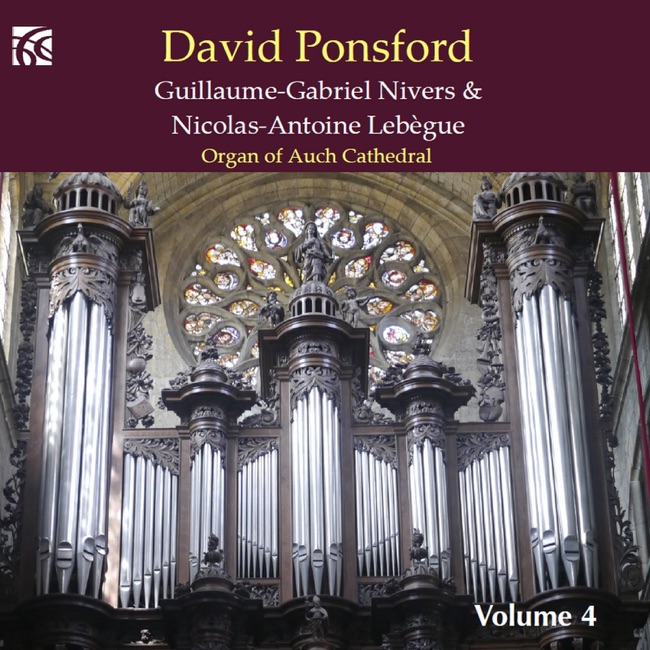 February 10, 2015
 -
 July 7, 2014
 -
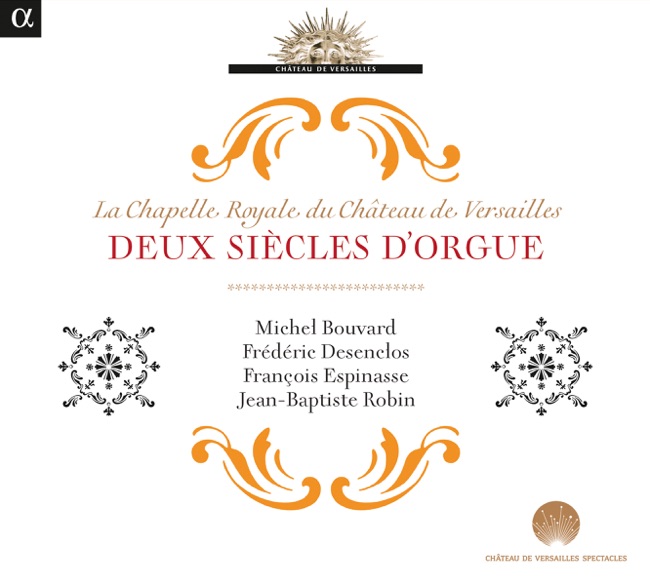 May, 2013
Miscellaneous
-
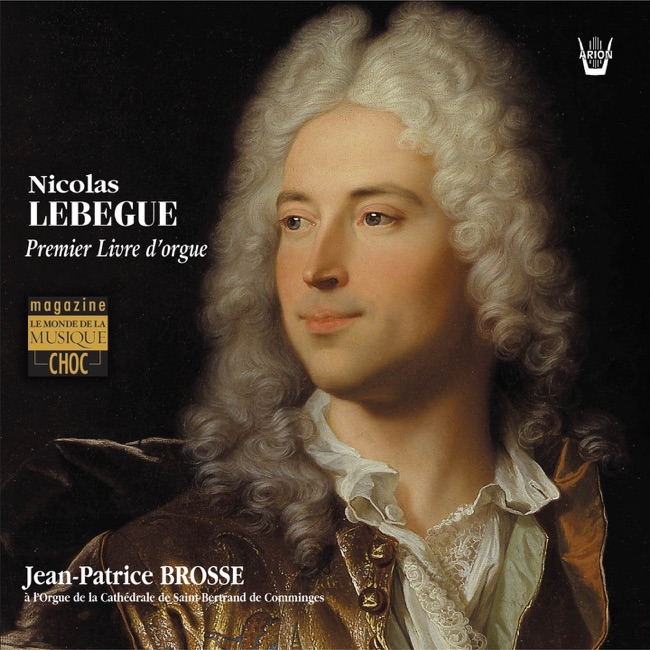 September 15, 1982
Artist Info
Role:ComposerCountry: FranceBirth:1631Death:July 6, 1702Period:BaroqueGenre:KeyboardNicolas-Antoine Lebègue was a French Baroque composer and organist who lived from 1631 to 1702. He was born in Laon, France, to a family of musicians. His father, Antoine Lebègue, was a singer and composer, and his mother, Marie de Launoy, was a harpsichordist. Nicolas-Antoine showed an early aptitude for music and began his musical education at a young age. Lebègue's first musical training was under his father, who taught him to sing and play the harpsichord. He also received instruction from the organist of the local cathedral, François Roberday. Lebègue's talent was quickly recognized, and he was sent to Paris to study with the renowned organist and composer, Jacques Boyvin. In Paris, Lebègue continued his studies with Boyvin and also became a student of the famous composer and theorist, Jean-Baptiste Lully. He quickly established himself as a talented musician and was appointed as the organist of the church of Saint-Merri in Paris in 1656. He held this position for over 40 years, until his death in 1702. Lebègue's compositions were highly regarded during his lifetime and he was considered one of the leading composers of his time. His works were published in several collections, including his first book of organ music, Premier livre d'orgue, which was published in 1676. This collection contains a variety of pieces, including preludes, fugues, and hymn settings. One of Lebègue's most famous works is his Suite du premier ton, which is a collection of pieces for the organ. This suite is notable for its use of the French Baroque style, which emphasizes clarity and elegance in musical expression. The suite includes a prelude, allemande, courante, sarabande, and gigue, all of which showcase Lebègue's skill as a composer and organist. Lebègue also composed several pieces for the harpsichord, including his Pièces de clavecin, which was published in 1677. This collection includes a variety of pieces, including preludes, allemandes, courantes, sarabandes, and gigues. The pieces are notable for their use of ornamentation and their intricate harmonies. In addition to his compositions, Lebègue was also known for his skill as an improviser. He was renowned for his ability to improvise on a given theme or melody, and his improvisations were said to be both virtuosic and expressive. Lebègue's legacy as a composer and organist has endured to the present day. His works continue to be performed and recorded by musicians around the world, and his contributions to the development of French Baroque music are widely recognized. His influence can be heard in the works of later composers, including Jean-Philippe Rameau and François Couperin. In conclusion, Nicolas-Antoine Lebègue was a highly talented and influential composer and organist of the French Baroque period. His compositions and improvisations were highly regarded during his lifetime and continue to be celebrated today. His legacy as a musician and composer has endured for centuries, and his contributions to the development of French Baroque music are an important part of musical history.More....
Recent Artist Music
3
1:57
6
2:17
9
1:50
Copyright Ⓒ 2013 Davinci Finger. All rights reseved
Service Terms & Policy