


Klezmer Traditional
Released Album
Miscellaneous
-
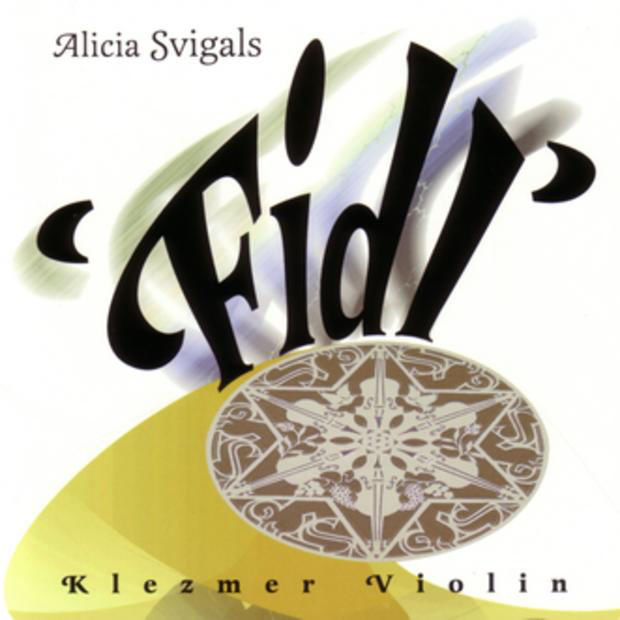 September 9, 1997
Chamber
-
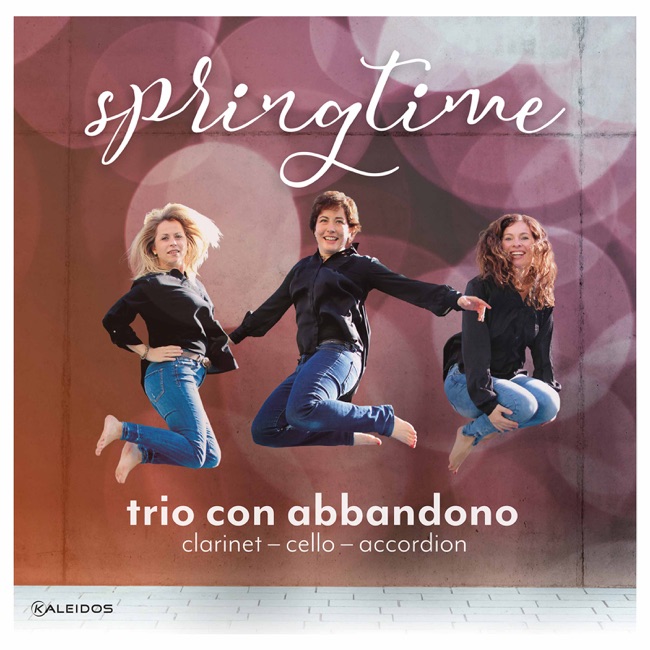 April 9, 2021
 -
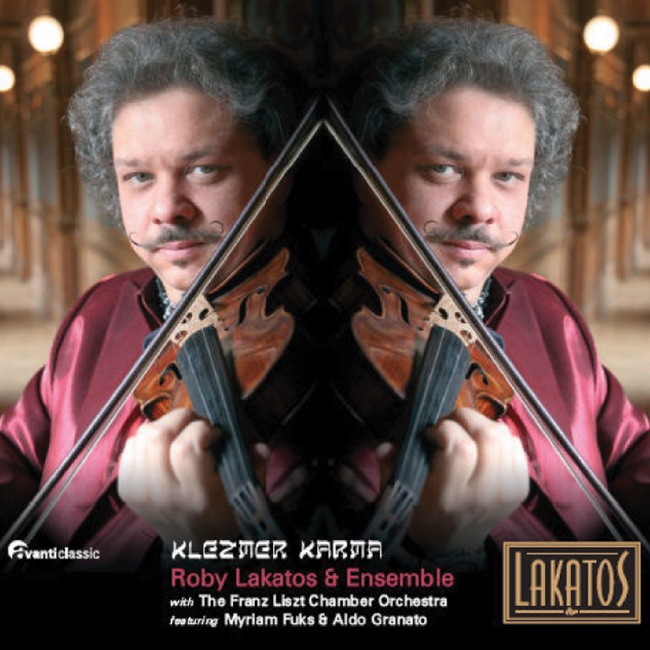 August 16, 2006
Vocal
-
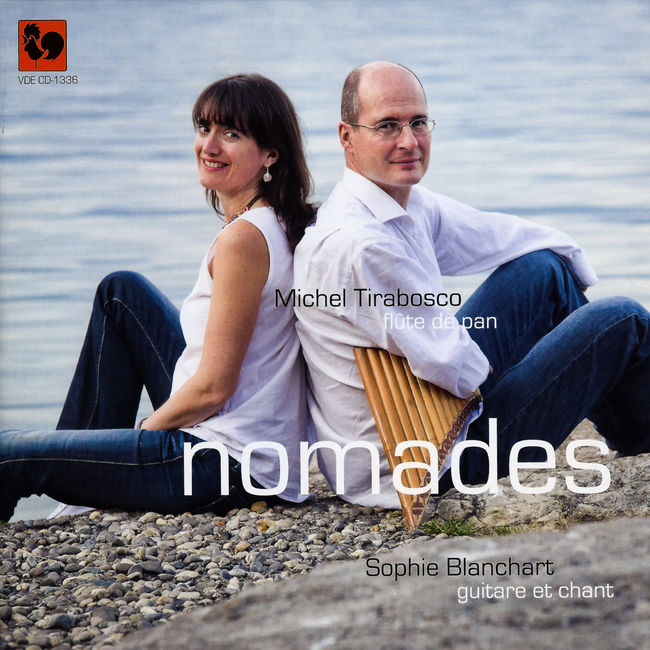 January 5, 2011
Artist Info
Role:ComposerKlezmer Traditional was a renowned composer of classical music who was born in the early 19th century in Eastern Europe. He was born into a family of musicians, and his father was a well-known klezmer musician. Klezmer Traditional grew up surrounded by music and began playing the violin at a young age. He quickly showed a natural talent for music and began composing his own pieces as a teenager. Klezmer Traditional's music was heavily influenced by the traditional Jewish music of Eastern Europe, known as klezmer music. He was also influenced by the classical music of his time, particularly the works of Mozart and Beethoven. Klezmer Traditional's music blended these two styles, creating a unique sound that was both traditional and modern. Klezmer Traditional's early works were mostly chamber music pieces for small ensembles. These pieces were often performed at local concerts and gatherings, and they quickly gained popularity. Klezmer Traditional's music was praised for its emotional depth and technical skill, and he soon became known as one of the most talented composers of his time. As Klezmer Traditional's reputation grew, he began to receive commissions from wealthy patrons and institutions. He composed several large-scale works, including symphonies and operas, which were performed in some of the most prestigious concert halls in Europe. These works were often inspired by Jewish folklore and mythology, and they featured intricate melodies and complex harmonies. One of Klezmer Traditional's most famous works is his Symphony No. 1 in D minor. This symphony was composed in the early 1840s and was inspired by the Jewish holiday of Passover. The symphony features four movements, each of which represents a different aspect of the holiday. The first movement is a solemn and introspective piece that represents the suffering of the Jewish people. The second movement is a lively and joyful piece that represents the celebration of freedom. The third movement is a slow and mournful piece that represents the memory of those who were lost. The final movement is a triumphant and energetic piece that represents the hope for a better future. Another notable work by Klezmer Traditional is his opera, The Golem. This opera was composed in the late 1850s and was based on the Jewish legend of the golem, a creature made of clay that was brought to life to protect the Jewish people. The opera features a complex score that blends traditional Jewish melodies with operatic arias and choruses. The opera was a critical and commercial success and was performed in several major European cities. Klezmer Traditional continued to compose music throughout his life, and his later works were often more experimental and avant-garde. He was particularly interested in incorporating elements of folk music and improvisation into his compositions. Klezmer Traditional's music had a profound influence on the development of Jewish classical music, and his legacy continues to inspire musicians today. In conclusion, Klezmer Traditional was a talented and innovative composer who blended traditional Jewish music with classical music to create a unique and powerful sound. His music was praised for its emotional depth and technical skill, and he was one of the most respected composers of his time. Klezmer Traditional's legacy continues to inspire musicians today, and his music remains an important part of the Jewish classical music tradition.More....
Recent Artist Music
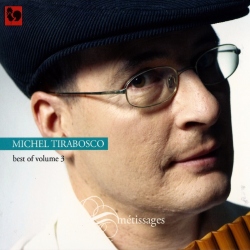
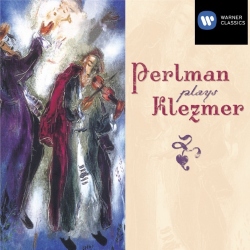
7
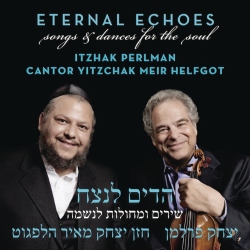
To the Trisker Rebns Khosid
Dem Trisker Rebns Khosid (The Flower of the Hassidic Master from Turisk)
2:39

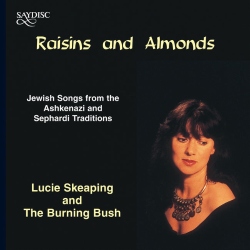
11
4:30
Copyright Ⓒ 2013 Davinci Finger. All rights reseved
Service Terms & Policy