


Tigran Mansurian
Released Album
Chamber
-
 March 5, 2021
 -
 December 4, 2020
 -
 November 8, 2011
Keyboard
-
 November 13, 2020
 -
 November 20, 2015
 -
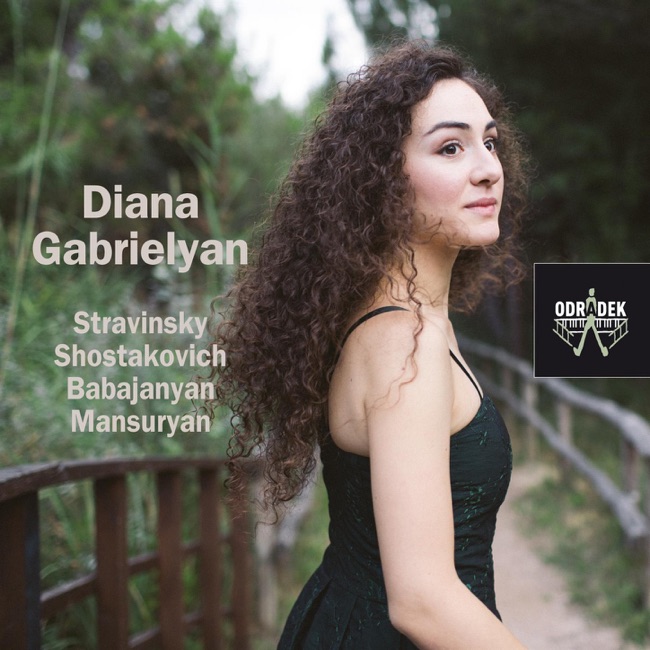 April 1, 2014
 -
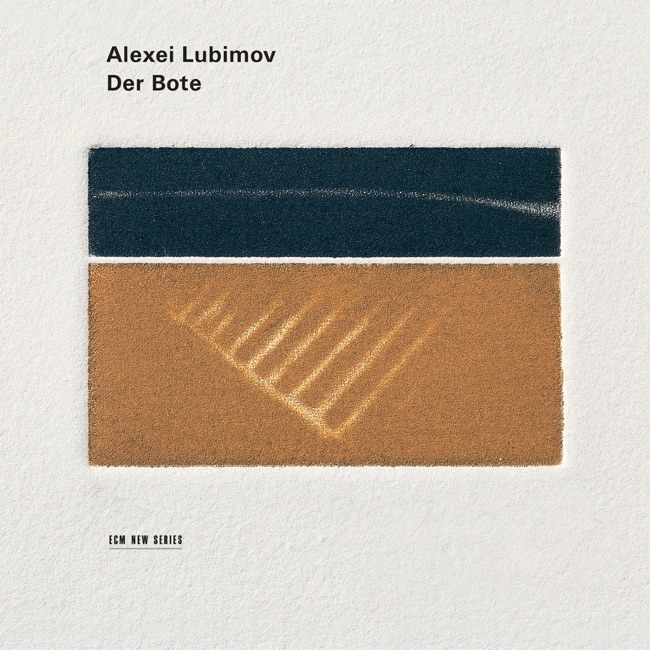 May 6, 2002
 -
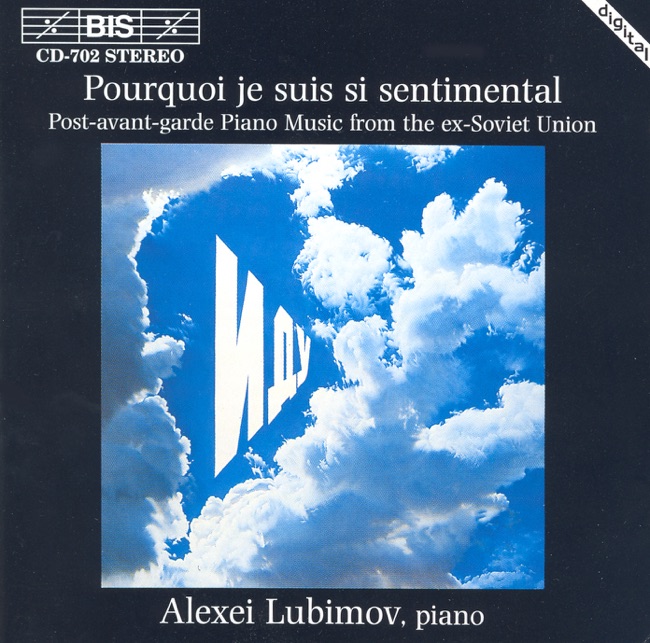 March 28, 1995
Concerto
-
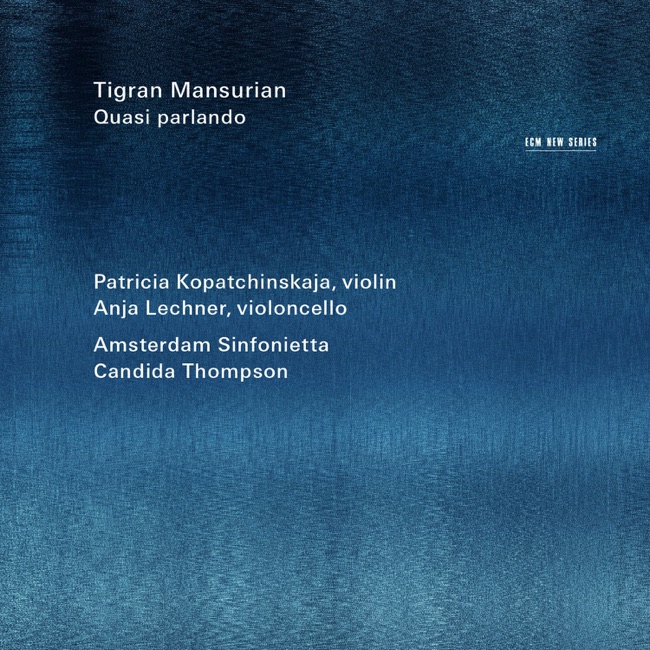 March 24, 2014
 -
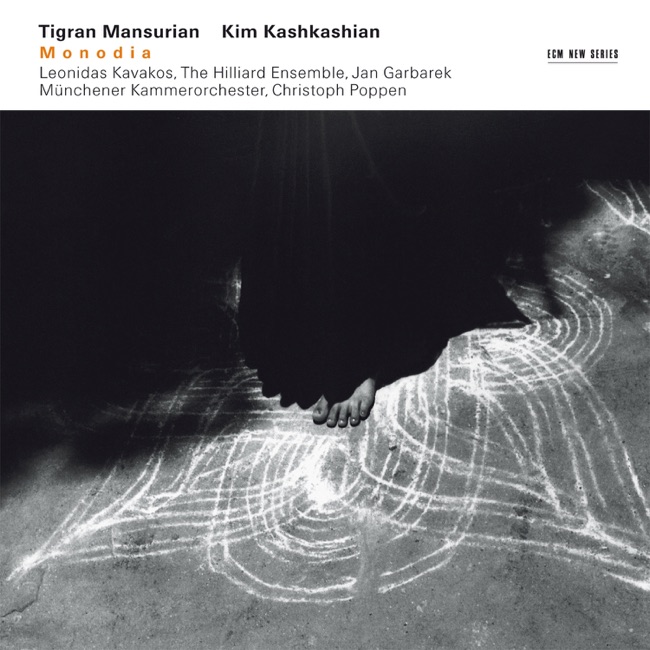 January 5, 2004
 -
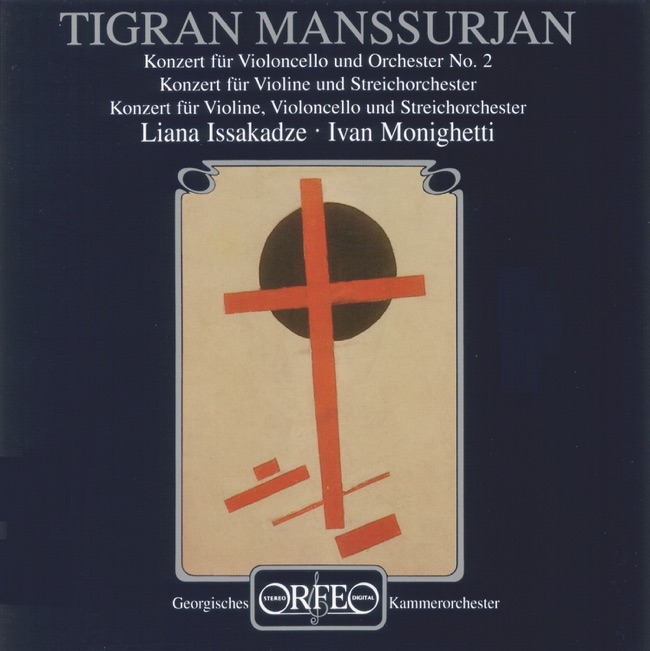 April 6, 1998
Vocal
-
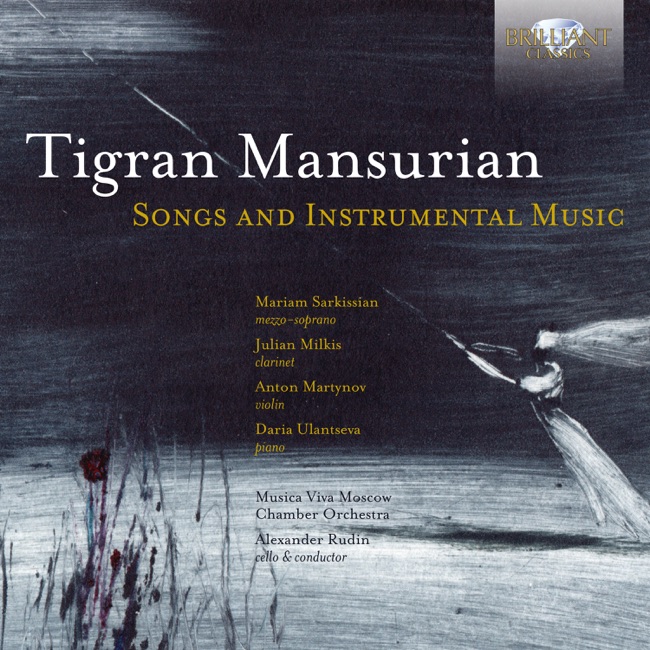 July 21, 2017
Artist Info
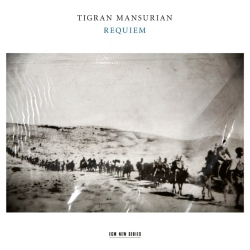
Role:ComposerCountry: ArmeniaBirth:January 27, 1939 in Beirut, LebanonGenre:ChamberChoralConcertoKeyboardTigran Mansurian is a renowned Armenian composer of classical music. He was born on January 27, 1939, in Beirut, Lebanon, to Armenian parents who had fled the Armenian Genocide. Mansurian's family moved to Armenia when he was six years old, and he grew up in the capital city of Yerevan. Mansurian's interest in music began at a young age, and he started taking piano lessons when he was just five years old. He later studied composition at the Yerevan Komitas State Conservatory, where he was mentored by the renowned Armenian composer Edvard Mirzoyan. Mansurian's early works were heavily influenced by the traditional Armenian music he grew up with, as well as by the works of Western classical composers such as Bach, Beethoven, and Shostakovich. His first major composition, the String Quartet No. 1, was written in 1964 and was well-received by audiences and critics alike. Throughout the 1960s and 1970s, Mansurian continued to compose works that blended elements of Armenian folk music with Western classical music. He also became involved in the Armenian avant-garde music scene, which was characterized by experimental and unconventional approaches to composition. In the 1980s, Mansurian's music took on a more introspective and contemplative tone. He began to incorporate elements of silence and stillness into his compositions, creating works that were more meditative and reflective. This shift in style was influenced by Mansurian's interest in Eastern philosophy and spirituality. One of Mansurian's most famous works from this period is the Cantata for the 20th Anniversary of the United Nations, which was commissioned by the UN in 1985. The piece is a choral work that incorporates texts from the UN Charter and other documents related to human rights and peace. In the 1990s, Mansurian's music became even more introspective and minimalist. He began to use silence and stillness as structural elements in his compositions, creating works that were characterized by long periods of quiet and contemplation. This style was influenced by Mansurian's interest in the Japanese concept of ma, which refers to the space between objects or sounds. One of Mansurian's most famous works from this period is the Requiem, which was written in memory of the victims of the Armenian Genocide. The piece is a haunting and powerful work that incorporates elements of Armenian folk music and Eastern Orthodox liturgical music. In addition to his work as a composer, Mansurian has also been a teacher and mentor to many young Armenian composers. He has taught at the Yerevan Komitas State Conservatory and has served as the artistic director of the Armenian Philharmonic Orchestra. Mansurian's contributions to the world of classical music have been widely recognized. He has received numerous awards and honors, including the State Prize of Armenia, the Komitas Medal, and the Khachatur Abovian Medal. His music has been performed by orchestras and ensembles around the world, and he is considered one of the most important composers of contemporary classical music. In conclusion, Tigran Mansurian is a highly respected and influential composer of classical music. His works blend elements of Armenian folk music with Western classical music, and his compositions are characterized by introspection, stillness, and contemplation.More....
Recent Artist Music
2
12:31



Copyright Ⓒ 2013 Davinci Finger. All rights reseved
Service Terms & Policy