


Jenö Takács
Released Album
Chamber
-
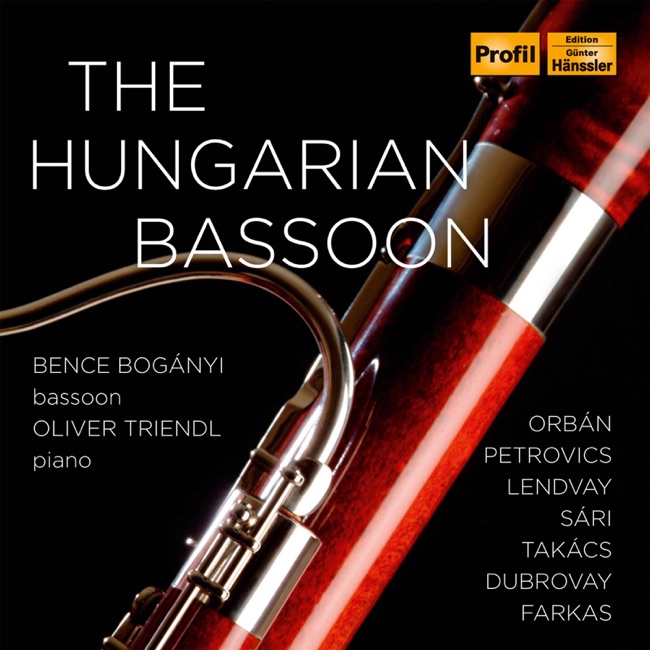 November 10, 2014
 -
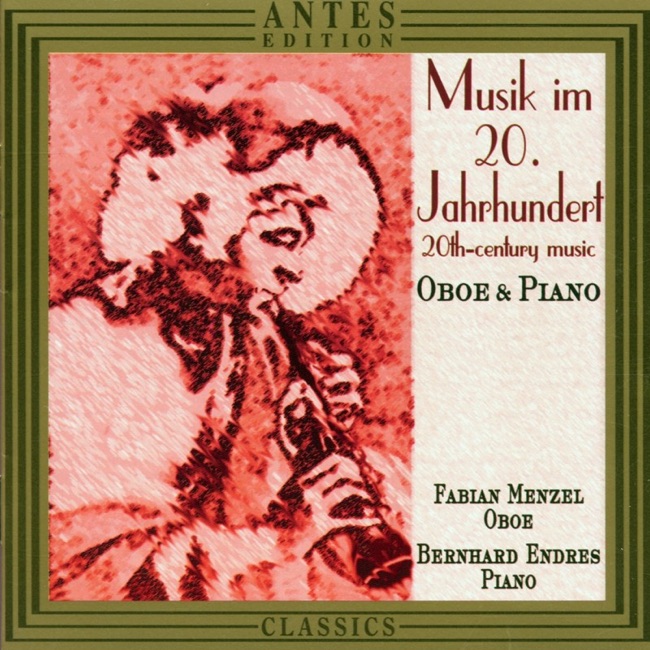 July 18, 2001
 -
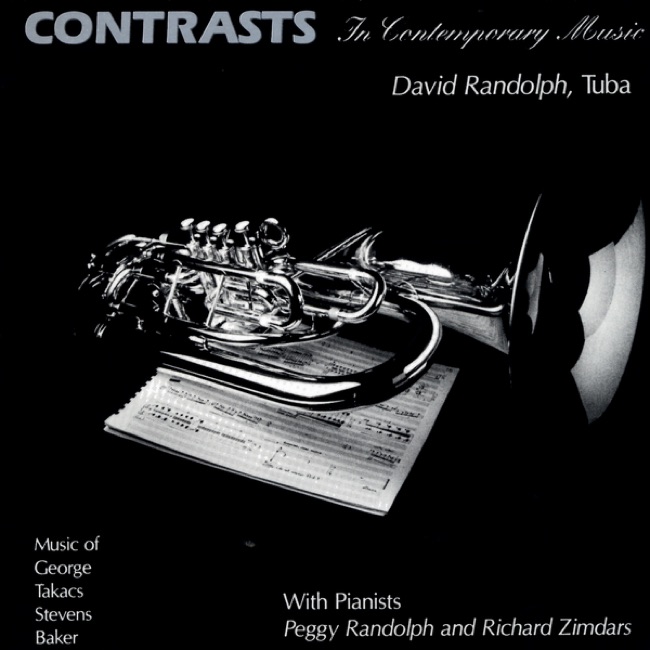 May 19, 1995
Orchestral
-
 October 5, 2018
Artist Info
Role:ComposerCountry: HungaryBirth:September 25, 1902 in Siegendorf, AustriaDeath:November 14, 2005Period:ContemporaryGenre:ChamberConcertoJenö Takács was a Hungarian composer who was born on November 17, 1902, in Budapest, Hungary. He was the son of a music teacher and grew up in a musical family. His father, József Takács, was a violinist and conductor, and his mother, Ilona Takács, was a pianist. From a young age, Takács showed a great interest in music and began studying the piano and violin at the age of six. Takács attended the Franz Liszt Academy of Music in Budapest, where he studied composition with Zoltán Kodály and piano with Béla Bartók. He graduated in 1925 and began his career as a composer and pianist. He quickly gained recognition for his compositions, which were influenced by the folk music of Hungary and other Eastern European countries. One of Takács' early works was his Piano Concerto No. 1, which he composed in 1927. The concerto was well-received and helped establish Takács as a composer to watch. He continued to compose throughout the 1930s, writing works for orchestra, chamber ensembles, and solo instruments. In 1940, Takács was appointed as a professor of composition at the Franz Liszt Academy of Music, where he taught until 1949. During this time, he continued to compose and also became involved in the Hungarian resistance movement during World War II. He was arrested by the Gestapo in 1944 and spent several months in a concentration camp before being released. After the war, Takács continued to compose and also became involved in the cultural life of Hungary. He was a member of the Hungarian Academy of Sciences and served as the president of the Hungarian Composers' Union from 1956 to 1962. He also received numerous awards and honors for his contributions to Hungarian music, including the Kossuth Prize in 1950 and the Order of Merit of the Hungarian People's Republic in 1972. Takács' music is characterized by its use of folk melodies and rhythms, as well as its incorporation of modernist techniques. His works often feature complex harmonies and rhythms, as well as unconventional forms and structures. Some of his most notable works include his Symphony No. 1, which was composed in 1938, and his String Quartet No. 2, which was written in 1951. Takács continued to compose until his death on November 5, 2005, at the age of 102. His legacy as a composer and teacher continues to be celebrated in Hungary and around the world.More....
Recent Artist Music


Copyright Ⓒ 2013 Davinci Finger. All rights reseved
Service Terms & Policy