


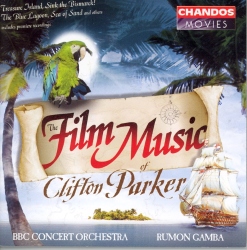
Clifton Parker
Released Album
Film
-
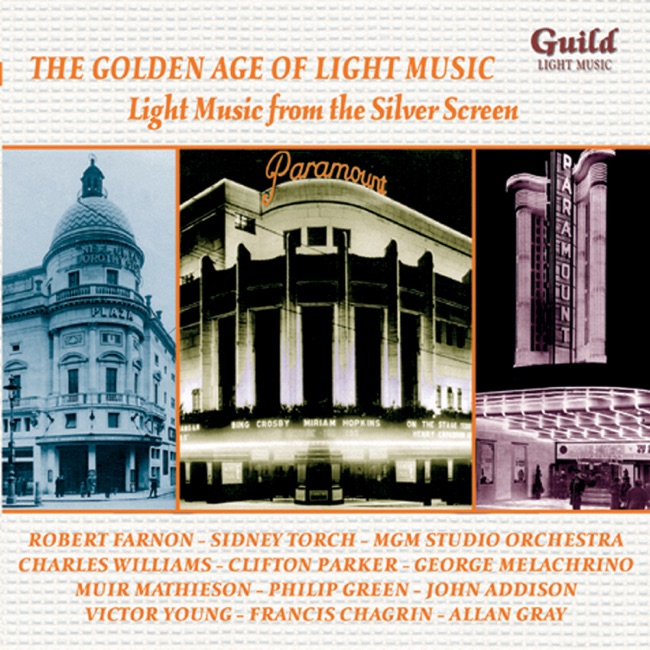
-
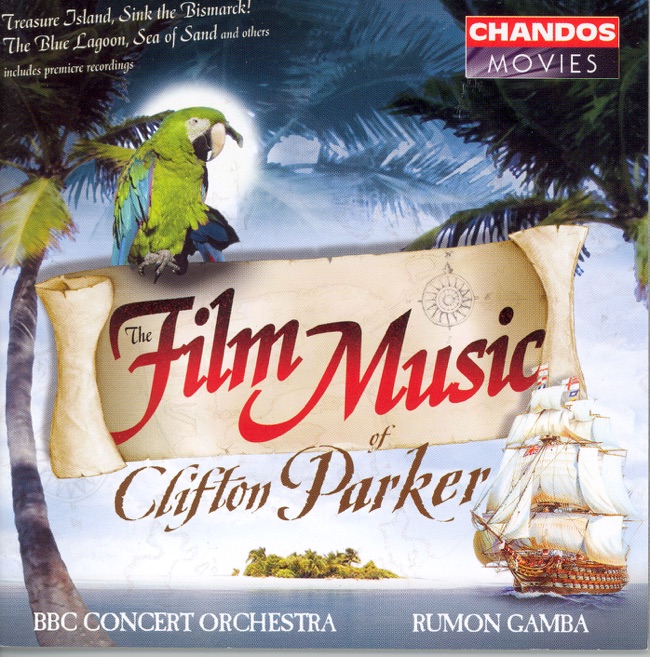 February 22, 2005
Artist Info
Role:ComposerCountry: United KingdomBirth:1905Death:1989Period:ModernGenre:BalletFilmOrchestralClifton Parker was a British composer and conductor who was born on June 17, 1905, in Reading, Berkshire, England. He was the son of a music teacher and grew up in a musical family. Parker showed an early interest in music and began playing the piano at a young age. He later studied at the Royal Academy of Music in London, where he was a student of Sir Granville Bantock. Parker began his career as a composer in the 1930s, writing music for films and radio. He quickly gained a reputation as a talented composer and was soon in demand for his skills. Parker's early works included music for the films "The Four Feathers" (1939) and "The Thief of Bagdad" (1940), both of which were highly successful. During World War II, Parker served in the Royal Air Force as a pilot. He continued to compose music during this time, and his work was often used in propaganda films and radio broadcasts. After the war, Parker returned to his career as a composer and conductor. One of Parker's most famous works is the score for the film "Genevieve" (1953), which won an Academy Award for Best Original Screenplay. The film's score, which features a memorable theme for the vintage car that is the focus of the story, is still popular today. Parker also composed music for other films, including "The Dambusters" (1955) and "The Battle of the River Plate" (1956). In addition to his work in film, Parker was also a prolific composer of concert music. He wrote several symphonies, as well as chamber music and works for solo instruments. One of his most famous works is the "Concerto for Two Pianos and Orchestra," which was premiered in 1953 and has since become a staple of the piano repertoire. Parker was also a respected conductor, and he led many orchestras throughout his career. He was particularly known for his interpretations of the music of Ralph Vaughan Williams, and he conducted the premiere of Vaughan Williams' "Sinfonia Antartica" in 1953. Throughout his career, Parker was recognized for his contributions to music. He was awarded the OBE (Order of the British Empire) in 1957 for his services to music, and he was made a Fellow of the Royal Academy of Music in 1960. He continued to compose and conduct until his death on July 25, 1989, in London, England. In conclusion, Clifton Parker was a talented composer and conductor who made significant contributions to the world of music. His work in film and concert music has stood the test of time, and his legacy continues to inspire musicians today. Parker's dedication to his craft and his commitment to excellence make him a true icon of classical music.More....
Recent Artist Music
4
4:10
Copyright Ⓒ 2013 Davinci Finger. All rights reseved
Service Terms & Policy