


David Lumsdaine
Released Album
Miscellaneous
-
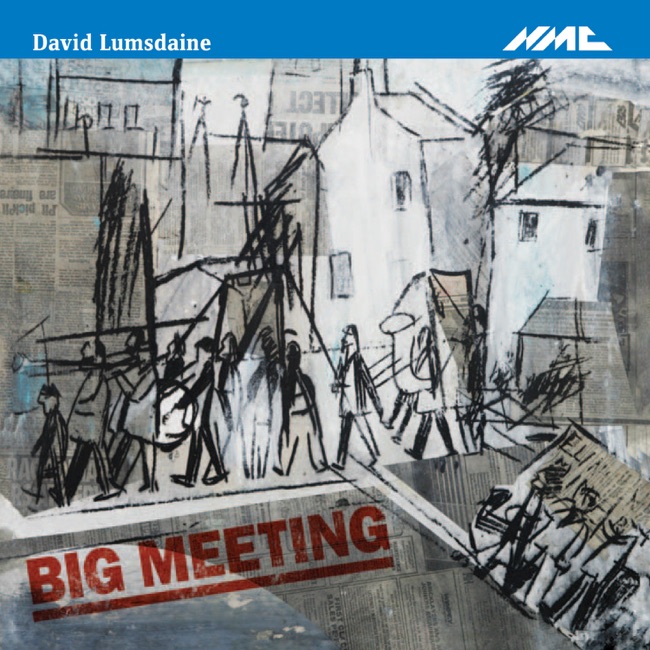 September 27, 2011
 -
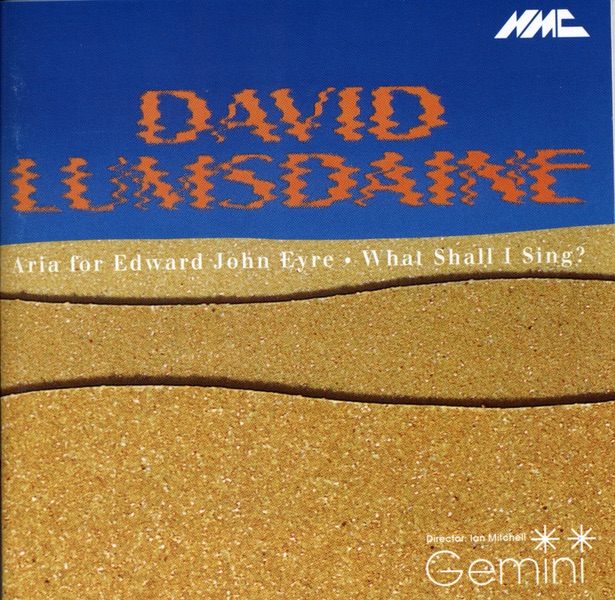 September 1, 1991
Keyboard
-
 May 12, 2015
Chamber
-
 January 17, 2018
Vocal
-
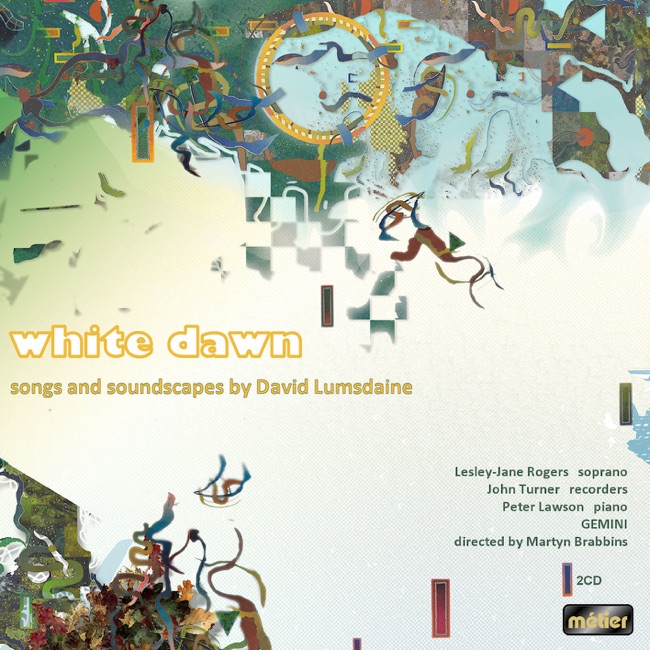 October 15, 2010
Artist Info
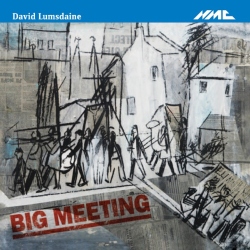
Role:Composer PerformerCountry: AustraliaBirth:1931Genre:ChamberConcertoKeyboardDavid Lumsdaine was a British composer and musicologist who was born on October 31, 1931, in Sydney, Australia. He was the son of a Scottish father and an Australian mother. Lumsdaine grew up in a musical family, and his parents encouraged him to pursue his passion for music. He began playing the piano at a young age and later learned to play the clarinet and saxophone. Lumsdaine studied music at the University of Sydney, where he earned a Bachelor of Music degree in 1953. He then went on to study at the Royal Academy of Music in London, where he studied composition with Lennox Berkeley and conducting with Maurice Miles. Lumsdaine also studied electronic music with Tristram Cary at the Royal College of Music. In the early 1960s, Lumsdaine became interested in the music of the indigenous people of Australia. He spent several years traveling throughout the country, recording the music of the Aboriginal people and studying their culture. This experience had a profound impact on Lumsdaine's music, and he began incorporating elements of Aboriginal music into his compositions. Lumsdaine's early works were influenced by the serialism of composers such as Webern and Boulez. However, he soon began to develop his own unique style, which combined elements of serialism with improvisation and aleatoric techniques. His music often featured complex rhythms and intricate textures, and he was known for his use of extended techniques on traditional instruments. One of Lumsdaine's most famous works is his electronic composition, "Aria for Edward John Eyre." The piece was inspired by the journey of the explorer Edward John Eyre, who traveled through the Australian outback in the 1840s. Lumsdaine used recordings of Aboriginal music and sounds from the Australian landscape to create a haunting and evocative soundscape. Another notable work by Lumsdaine is his "Mandala 3," which was composed in 1971. The piece is scored for a large ensemble of traditional and non-traditional instruments, including percussion, strings, winds, and electronics. The work is structured around a series of musical "mandalas," which are circular patterns that represent the universe in Hindu and Buddhist traditions. Lumsdaine was also known for his collaborations with other artists, including the poet Peter Porter and the visual artist John Christie. He composed several works based on Porter's poetry, including "Big Meeting" and "The Weather and the Seasons." Lumsdaine's collaboration with Christie resulted in the multimedia work "The Wire Garden," which combined music, poetry, and visual art. In addition to his work as a composer, Lumsdaine was also a respected musicologist. He wrote extensively on the music of the Aboriginal people of Australia, as well as on the music of other indigenous cultures. He was particularly interested in the relationship between music and the natural world, and he often incorporated environmental sounds into his compositions. Lumsdaine's contributions to the world of music were recognized with numerous awards and honors. He was awarded the Order of Australia in 1994 for his services to music, and he was made a Fellow of the Royal Society of Arts in 2001. He also received the Don Banks Music Award in 2008, which is given to Australian composers who have made a significant contribution to the field of music. David Lumsdaine passed away on January 15, 2018, at the age of 86.More....


Copyright Ⓒ 2013 Davinci Finger. All rights reseved
Service Terms & Policy