


David Matthews
Released Album
Chamber
-
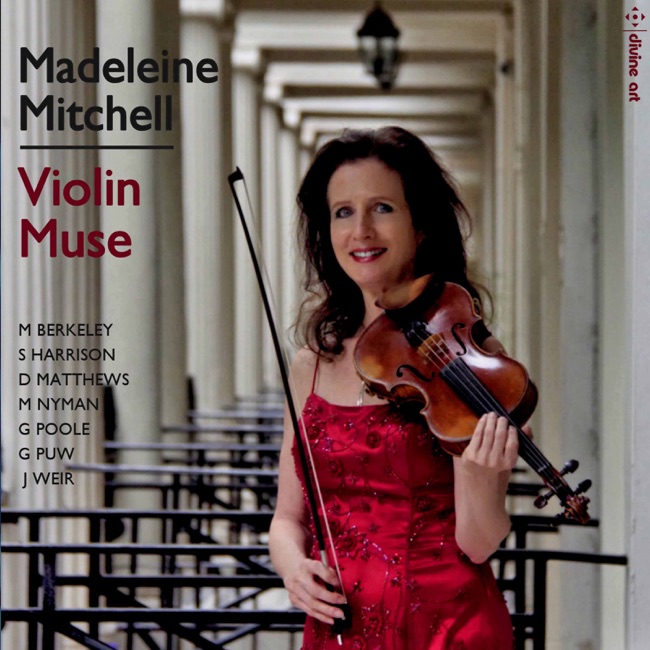 October 20, 2017
 -
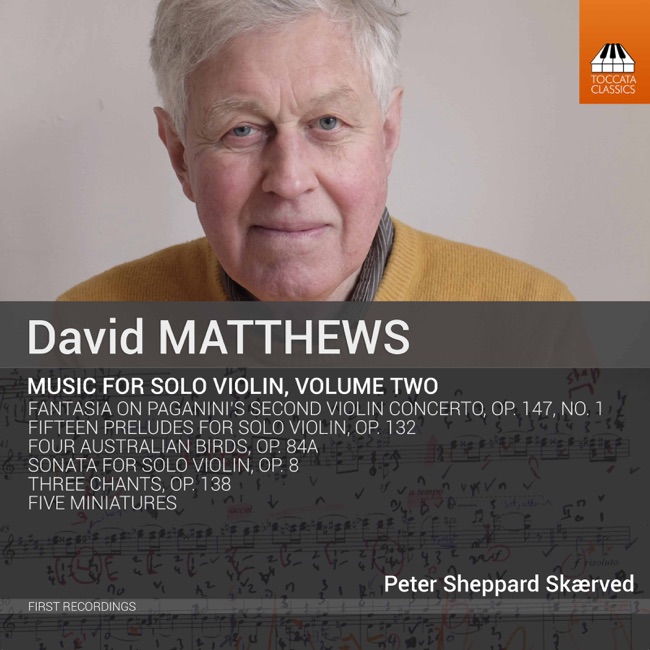 May 19, 2017
 -
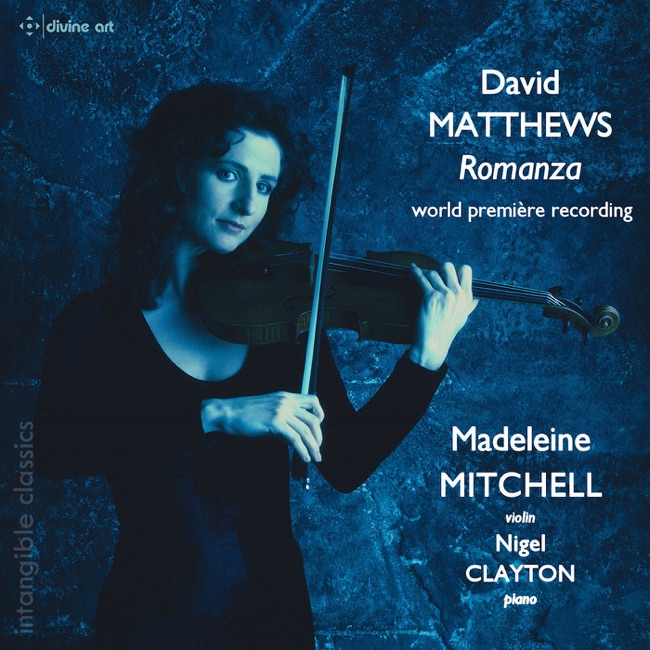 January 20, 2017
 -

Keyboard
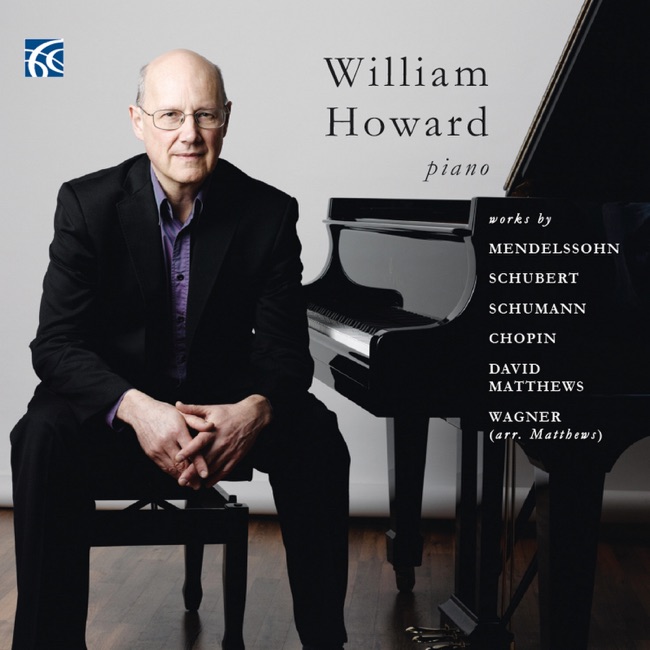
Concerto
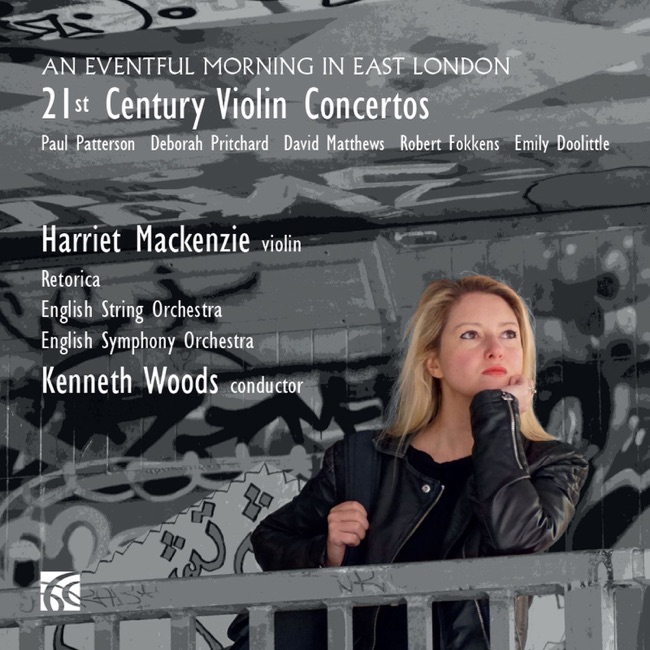
Artist Info
Role:ComposerGenre:ChamberDavid Matthews is a British composer who was born on March 9, 1943, in London, England. He is the younger brother of the famous jazz musician, John Surman. Matthews grew up in a musical family, and his father was a composer and music teacher. He began playing the piano at a young age and later learned to play the cello and the viola. Matthews studied music at the Royal Academy of Music in London, where he was taught by Lennox Berkeley and Richard Rodney Bennett. He also studied with Hans Keller, who was a prominent musicologist and critic. Matthews was deeply influenced by the music of Benjamin Britten, and he later became a close friend of Britten's partner, Peter Pears. Matthews began his career as a composer in the 1960s, and his early works were influenced by the avant-garde music of the time. He was a member of the New Music Group, which was a collective of young composers who were exploring new forms of music. Matthews's early works were characterized by their experimental nature and their use of unconventional techniques. In the 1970s, Matthews began to move away from the avant-garde and towards a more traditional style of composition. He was influenced by the music of composers such as Mozart, Beethoven, and Schubert, and he began to incorporate elements of their music into his own compositions. Matthews's music from this period is characterized by its lyricism and its use of tonal harmony. One of Matthews's most significant works from this period is his Symphony No. 1, which was composed in 1978. The symphony is a large-scale work that is scored for a full orchestra. It is characterized by its use of tonal harmony and its lyrical melodies. The symphony was well-received by critics and helped to establish Matthews as a significant composer. In the 1980s, Matthews continued to develop his style, and he began to incorporate elements of jazz and rock music into his compositions. He was influenced by the music of Miles Davis and Jimi Hendrix, and he began to experiment with new forms of instrumentation. Matthews's music from this period is characterized by its use of electric guitars, synthesizers, and other electronic instruments. One of Matthews's most significant works from this period is his String Quartet No. 3, which was composed in 1985. The quartet is scored for two violins, viola, and cello, and it is characterized by its use of electric guitars and synthesizers. The quartet was well-received by critics and helped to establish Matthews as a composer who was willing to experiment with new forms of instrumentation. In the 1990s, Matthews continued to develop his style, and he began to incorporate elements of world music into his compositions. He was influenced by the music of India and Africa, and he began to experiment with new forms of rhythm and melody. Matthews's music from this period is characterized by its use of exotic scales and rhythms. One of Matthews's most significant works from this period is his Symphony No. 4, which was composed in 1991. The symphony is scored for a full orchestra and is characterized by its use of exotic scales and rhythms. The symphony was well-received by critics and helped to establish Matthews as a composer who was willing to experiment with new forms of rhythm and melody. In addition to his work as a composer, Matthews has also been active as a music critic and writer.More....
Recent Artist Music

3

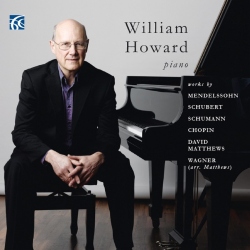
Fantasy on Paganini's Second Violin Concerto, Op. 147/1
Fantasia on Paganini's Second Violin Concerto, Op. 147, No. 1
7:42
4
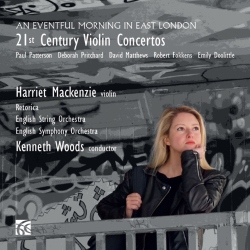
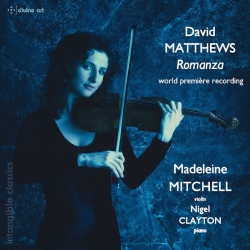
Romonza for violin & string orchestra
Romonza for solo violin and string orchestra: Andante appassionato: Tempo di valse: Tempo I
10:49

Copyright Ⓒ 2013 Davinci Finger. All rights reseved
Service Terms & Policy