


Dora Pejacevic
Released Album
Keyboard
-
 June 8, 2024
 -
 December 31, 2023
 -
 December 17, 2023
 -
 November 17, 2023
 -
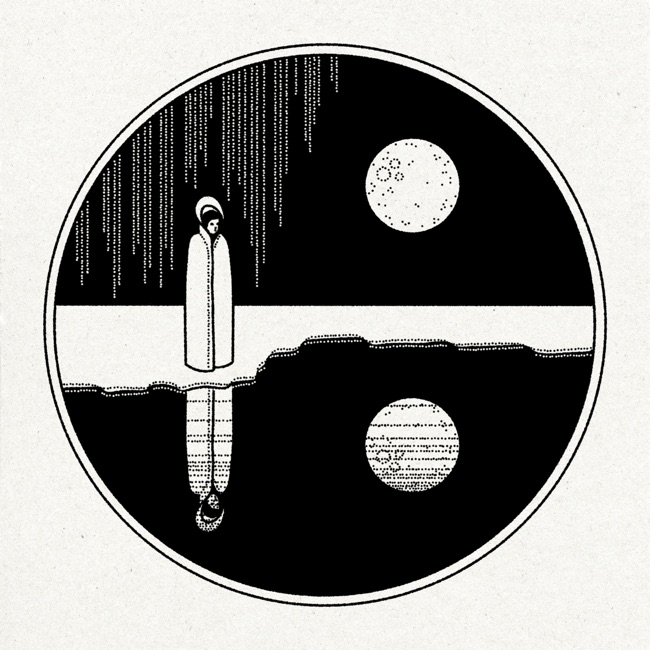 October 13, 2023
 -
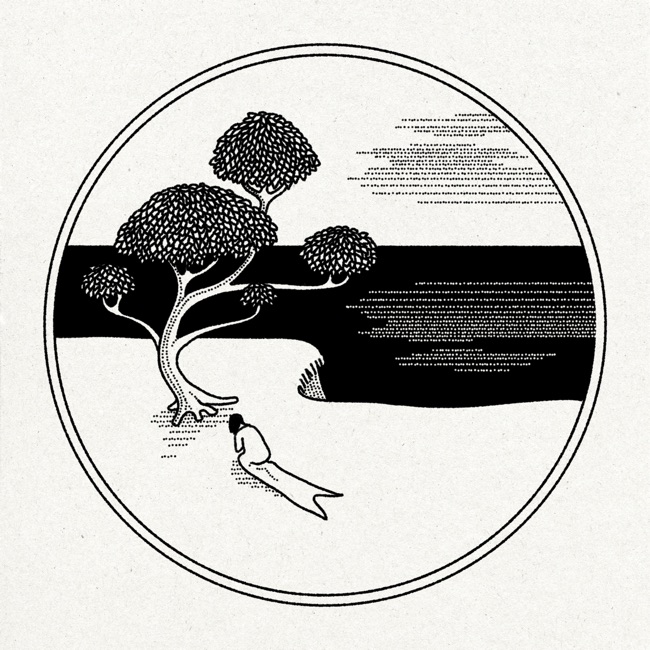 September 6, 2023
Chamber
-

-
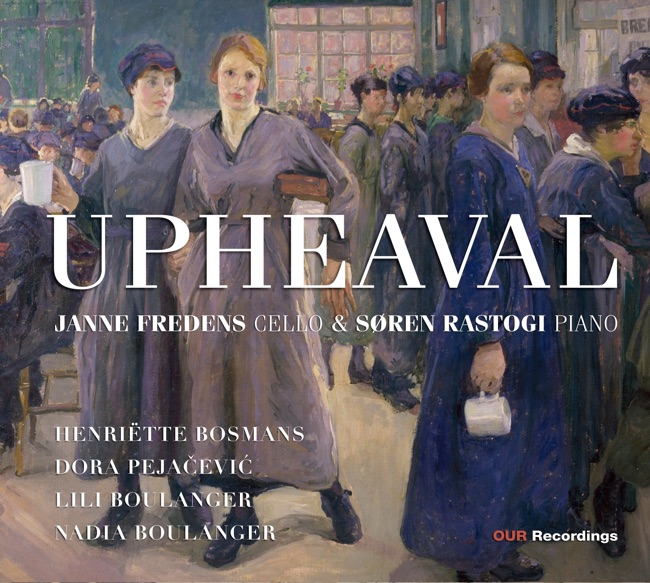 January 19, 2024
 -
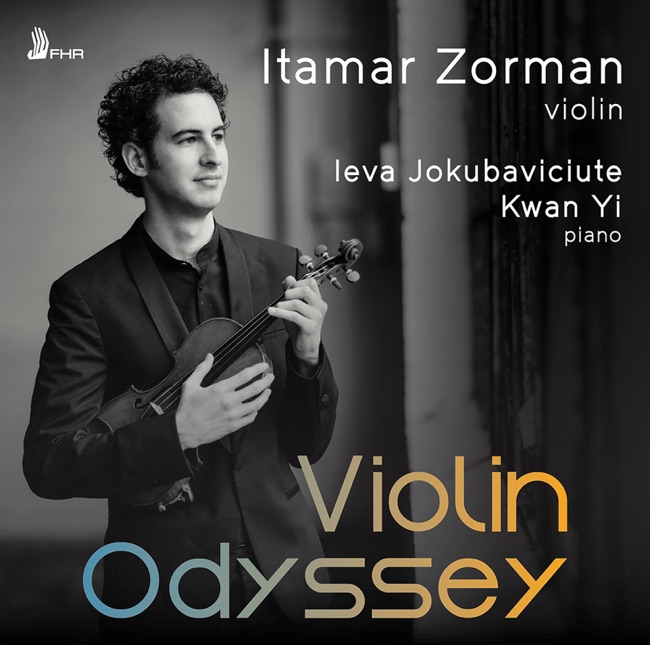 June 3, 2022
 -
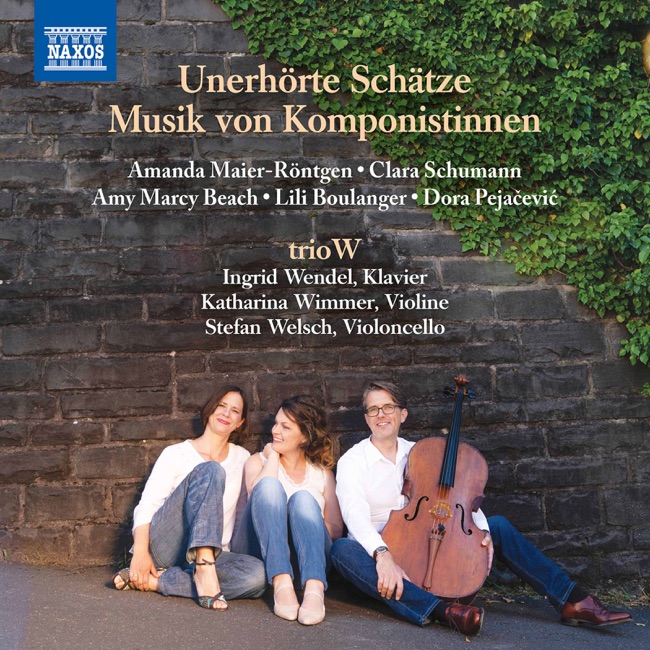 November 27, 2020
 -
 January 12, 2018
 -
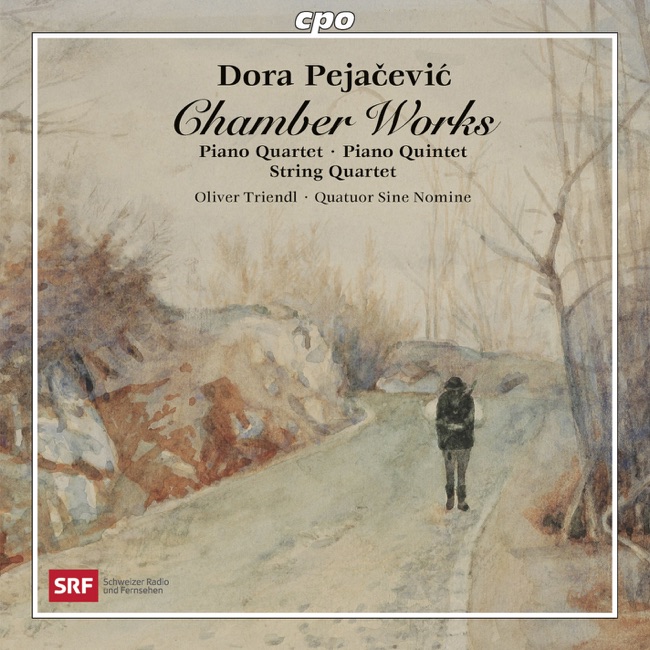 February 26, 2013
Vocal
-
 August 12, 2022
 -
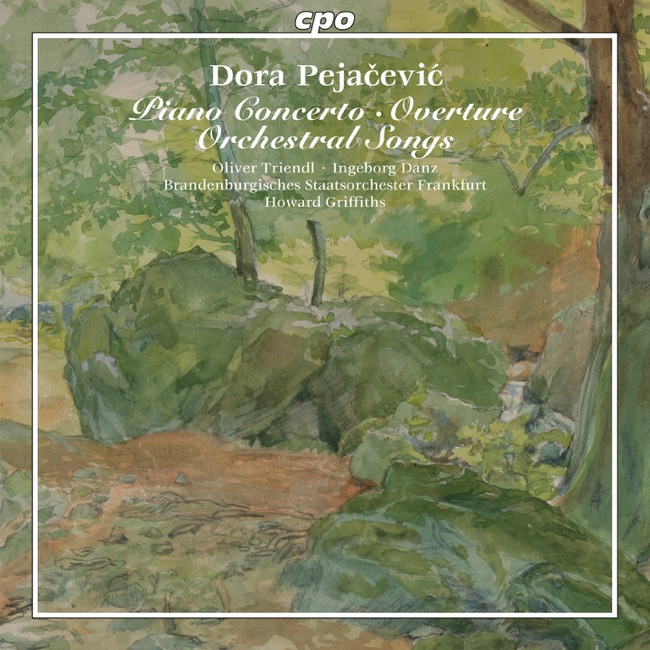
-
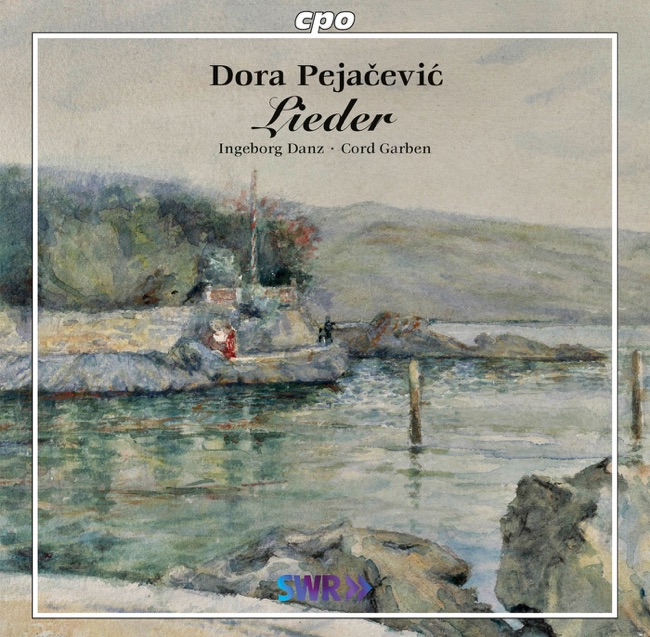 July 3, 2012
Symphony
-
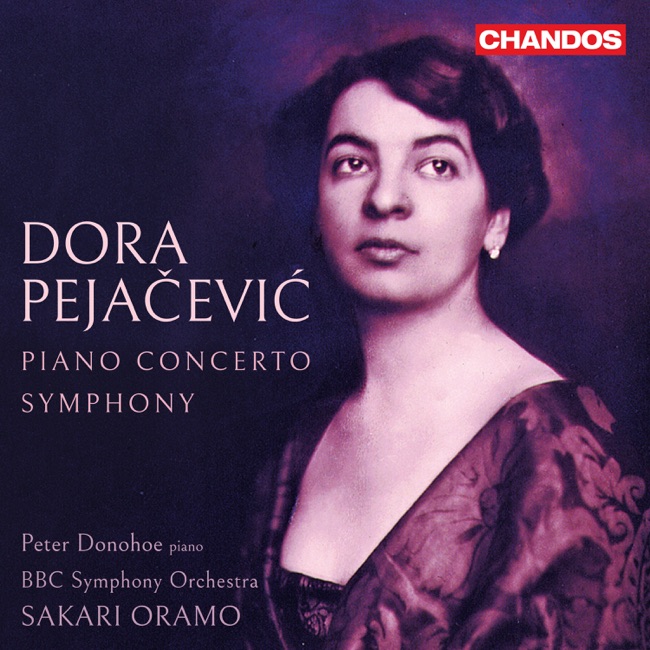 May 6, 2022
Artist Info
Role:ComposerBirth:September 10, 1885 in Budapest, HungaryDeath:March 5, 1923 in Munich, GermanyDora Pejačević was a Croatian composer born on September 10, 1885, in Budapest, Hungary. She was the daughter of Count Teodor Pejačević and Countess Lilla Vay de Vaya. Her family was one of the wealthiest and most influential in Croatia, and they were known for their love of music and the arts. Dora was the youngest of five children, and she showed an early interest in music. She began playing the piano at the age of four and started composing her own music when she was just nine years old. Dora's family recognized her talent and encouraged her to pursue music. She received her first formal music education from her mother, who was a trained pianist. Later, she studied with some of the most prominent music teachers of her time, including Percy Sherwood, Max Reger, and Felix Weingartner. She also attended the Hochschule für Musik in Berlin, where she studied composition with Engelbert Humperdinck. Dora's music was heavily influenced by the Romantic era, and she was known for her use of rich harmonies and lush melodies. She composed in a variety of genres, including chamber music, piano music, and orchestral works. Her music was often compared to that of Brahms and Schumann, and she was considered one of the most important composers of her time. One of Dora's most significant works is her Piano Concerto in G minor, Op. 33. She composed the concerto in 1913, and it premiered in Zagreb the following year. The concerto is a virtuosic work that showcases Dora's skill as a pianist and composer. It is a three-movement work that features a solo piano accompanied by a full orchestra. The concerto is known for its dramatic opening and its beautiful second movement, which features a hauntingly beautiful melody. Another notable work by Dora is her Symphony in F-sharp minor, Op. 41. She composed the symphony in 1918, and it premiered in Zagreb the following year. The symphony is a four-movement work that features a full orchestra. It is a powerful and emotional work that showcases Dora's skill as a composer. The symphony is known for its lush harmonies and its use of folk melodies. Dora also composed a significant amount of chamber music, including several string quartets and piano trios. One of her most famous chamber works is her Piano Trio in C major, Op. 29. She composed the trio in 1914, and it premiered in Zagreb the following year. The trio is a three-movement work that features a piano, violin, and cello. It is a beautiful and lyrical work that showcases Dora's skill as a composer. In addition to her compositions, Dora was also an accomplished pianist. She often performed her own works in public, and she was known for her virtuosic playing. She was also a patron of the arts and supported many young musicians and composers. Dora's life was tragically cut short when she died of pneumonia on March 5, 1923, at the age of 37. Her death was a great loss to the music world, and her music was largely forgotten for many years. However, in recent years, there has been a renewed interest in her music, and her works are now being performed and recorded more frequently. In conclusion, Dora Pejačević was a talented and influential composer who made significant contributions to the music world. Her music was heavily influenced by the Romantic era, and she was known for her use of rich harmonies and lush melodies. Her Piano Concerto in G minor, Op. 33, Symphony in F-sharp minor, Op. 41, and Piano Trio in C major, Op.More....
Recent Artist Music



Recommend Playlist








Copyright Ⓒ 2013 Davinci Finger. All rights reseved
Service Terms & Policy