


Ravi Shankar
Released Album
Miscellaneous
-
 January 12, 1993
Chamber
-
 September 13, 2004
 -
 January 1, 1966
Concerto
-
 April 22, 2016
 -
 March 3, 2003
 -
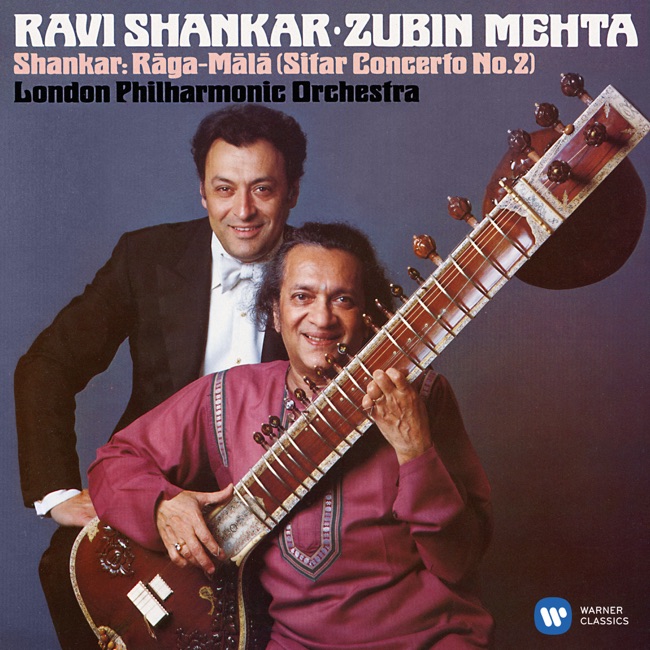 January 1, 1982
 -
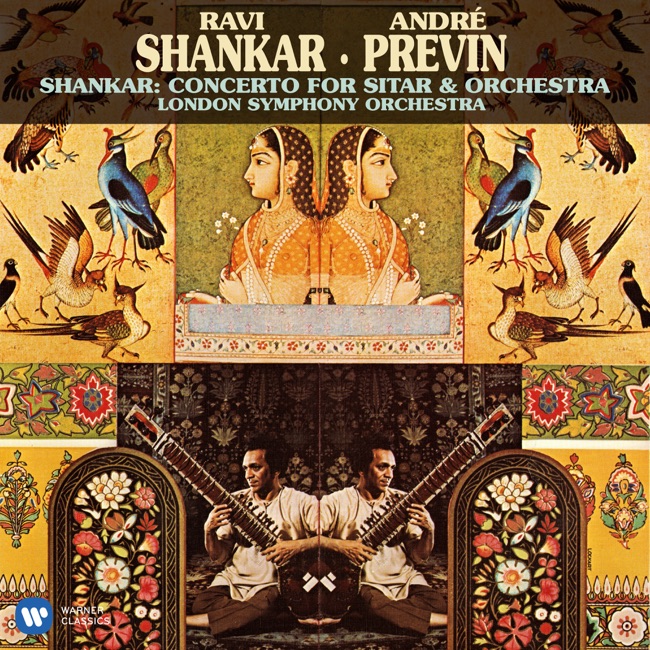 January 1, 1971
Artist Info
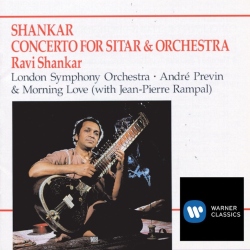
Role:Composer Conductor PerformerCountry: IndiaBirth:April 7, 1920 in Varanasi, Uttar Pradesh, IndiaDeath:December 11, 2012 in San Diego, CAGenre:ChamberRavi Shankar was a renowned Indian classical music composer and sitar player who was born on April 7, 1920, in Varanasi, India. He was born into a family of musicians, and his father, Shyam Shankar, was a well-known sitar player and teacher. Ravi Shankar's older brother, Uday Shankar, was a famous dancer and choreographer who had a significant influence on Ravi's early life. Ravi Shankar began his musical training at a young age, learning to play the sitar from his father. He also studied with other prominent musicians, including Allauddin Khan, who was a master of the sarod. Shankar's early musical career was focused on performing in India, and he quickly gained a reputation as a talented sitar player. In the 1950s, Ravi Shankar began to gain international recognition for his music. He performed in Europe and the United States, and his performances were well-received by audiences and critics alike. Shankar's music was unique in that it blended traditional Indian classical music with Western musical styles, creating a new and innovative sound. One of the highlights of Ravi Shankar's career was his collaboration with George Harrison of the Beatles. Harrison was a fan of Indian classical music and had been studying the sitar with Shankar. The two musicians became friends, and Harrison invited Shankar to collaborate on the Beatles' song "Norwegian Wood." Shankar's sitar playing on the song was groundbreaking, and it helped to introduce Indian classical music to a wider audience. In addition to his collaborations with Western musicians, Ravi Shankar also composed a significant amount of music for Indian classical music ensembles. He wrote numerous ragas, which are traditional Indian musical compositions, and he also composed music for dance performances and films. One of Shankar's most famous works is his Concerto for Sitar and Orchestra, which he composed in 1971. The concerto was commissioned by the London Symphony Orchestra, and it was premiered at the Royal Festival Hall in London. The concerto was a groundbreaking work that blended Indian classical music with Western classical music, and it helped to establish Shankar as one of the most innovative composers of his time. Throughout his career, Ravi Shankar received numerous awards and honors for his contributions to music. He was awarded the Padma Bhushan, one of India's highest civilian honors, in 1967, and he was later awarded the Padma Vibhushan, India's second-highest civilian honor, in 1981. Shankar was also awarded the Grammy Lifetime Achievement Award in 2013, just a few months before his death. Ravi Shankar's influence on music cannot be overstated. He helped to introduce Indian classical music to a wider audience, and his innovative compositions and collaborations with Western musicians helped to bridge the gap between Eastern and Western musical traditions. Shankar's legacy continues to inspire musicians around the world, and his music will be remembered for generations to come.More....
Recent Artist Music





8
2:12

14
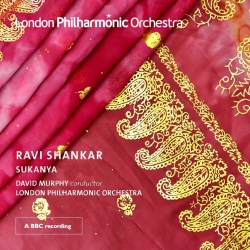
Sukanya (unfinished, completed by David Murphy)
Part I: I. Prelude: Aswini Twins' Song to Love
7:21

Related Artists
Copyright Ⓒ 2013 Davinci Finger. All rights reseved
Service Terms & Policy