


Niels Otto Raasted
Released Album
Keyboard
-
 October 21, 2015
 -
 April 25, 2007
 -
-
 August 25, 1998
Chamber
-
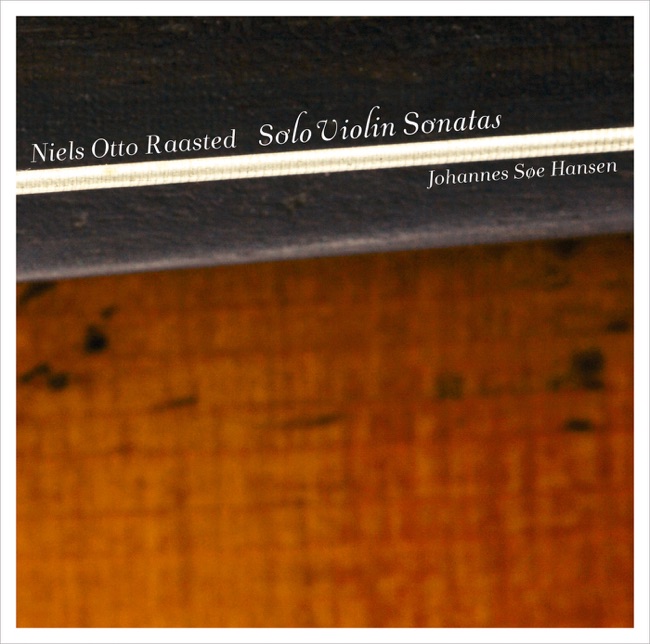 October 26, 2010
Artist Info
Role:ComposerBirth:1888 in DenmarkDeath:1966Period:ModernGenre:ChoralKeyboardNiels Otto Raasted was a Danish composer born on August 28, 1888, in the town of Randers, Denmark. He was the son of a music teacher, and his father's influence played a significant role in his early musical education. Raasted began playing the piano at a young age and showed a natural talent for music. He went on to study at the Royal Danish Academy of Music in Copenhagen, where he received a thorough education in music theory, composition, and performance. Raasted's early compositions were heavily influenced by the Romantic era, particularly the works of composers such as Brahms and Wagner. However, as he matured as a composer, he began to develop his own unique style, which blended elements of Romanticism with more modernist techniques. His music was characterized by its lush harmonies, intricate counterpoint, and expressive melodies. One of Raasted's most significant early works was his Symphony No. 1, which he composed in 1917. The symphony was well-received by audiences and critics alike and helped establish Raasted as one of Denmark's most promising young composers. The work is notable for its use of rich orchestration and its expansive, sweeping melodies. In the years that followed, Raasted continued to compose prolifically, producing a wide range of works in various genres. He wrote several operas, including "The Witch of the North" and "The King's Son," which were both well-received by audiences. He also composed numerous chamber works, including string quartets, piano trios, and sonatas. One of Raasted's most significant works from this period was his Piano Concerto, which he composed in 1926. The concerto is notable for its virtuosic piano writing and its use of lush, Romantic harmonies. It remains one of Raasted's most popular works to this day and is frequently performed by pianists around the world. In the 1930s, Raasted's music began to take on a more modernist character. He became interested in the music of composers such as Stravinsky and Bartok and began incorporating elements of their styles into his own work. This can be heard in works such as his Symphony No. 2, which he composed in 1935. The symphony is notable for its use of complex rhythms and dissonant harmonies, which give the work a more modernist feel than Raasted's earlier compositions. During World War II, Raasted's music took on a more patriotic character. He composed several works that celebrated Danish culture and history, including his "Danish Rhapsody" and his "Symphony of the North." These works were well-received by audiences and helped to cement Raasted's reputation as one of Denmark's most important composers. After the war, Raasted continued to compose prolifically, producing a wide range of works in various genres. He wrote several more operas, including "The Golden Horn" and "The King's Daughter," which were both well-received by audiences. He also composed numerous orchestral works, including several symphonies and concertos. One of Raasted's most significant works from this period was his Symphony No. 5, which he composed in 1955. The symphony is notable for its use of lush, Romantic harmonies and its expansive, sweeping melodies. It remains one of Raasted's most popular works to this day and is frequently performed by orchestras around the world. In addition to his work as a composer, Raasted was also a respected music educator. He taught at the Royal Danish Academy of Music for many years and was highly regarded by his students.More....
Recent Artist Music
3
2:27
Copyright Ⓒ 2013 Davinci Finger. All rights reseved
Service Terms & Policy