


Rudolf Tobias
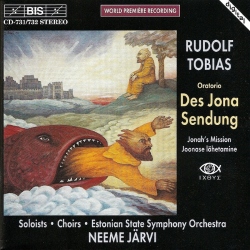
Released Album
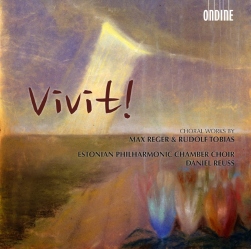
Choral
-
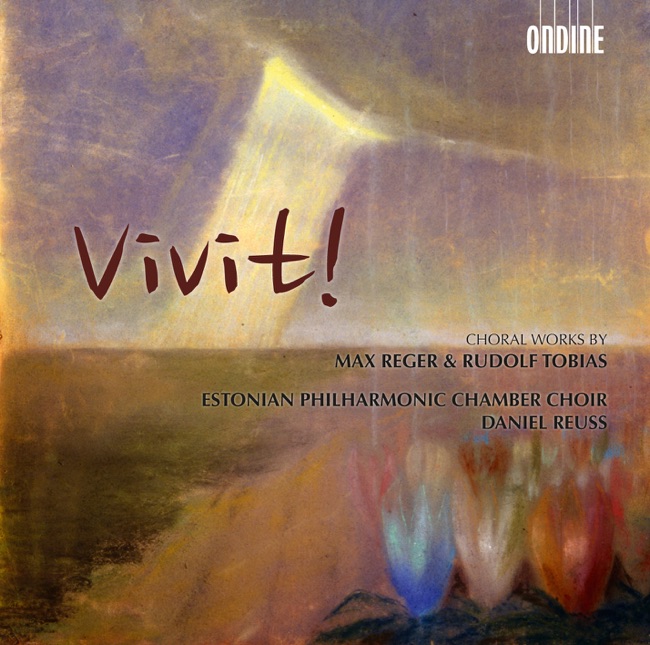 April 30, 2013
 -
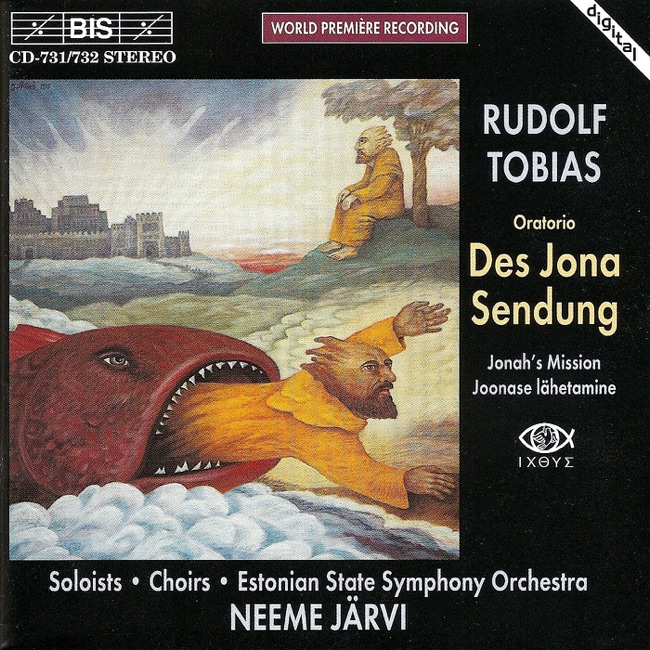 August 31, 1995
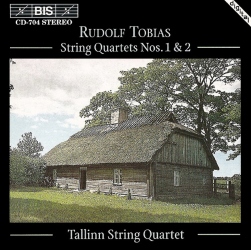
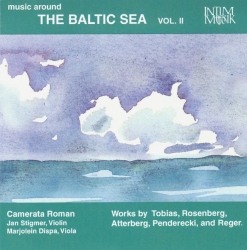
Chamber
-
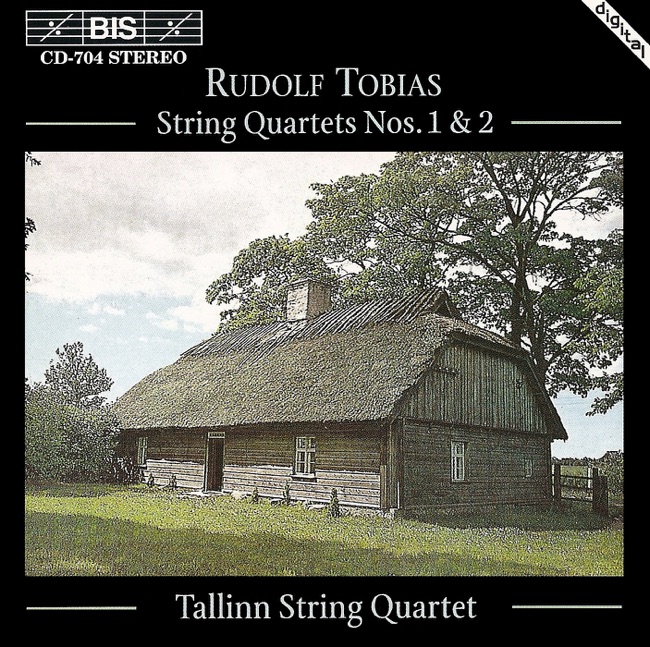 November 21, 1995
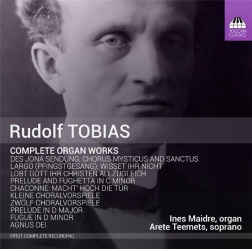
Keyboard
-
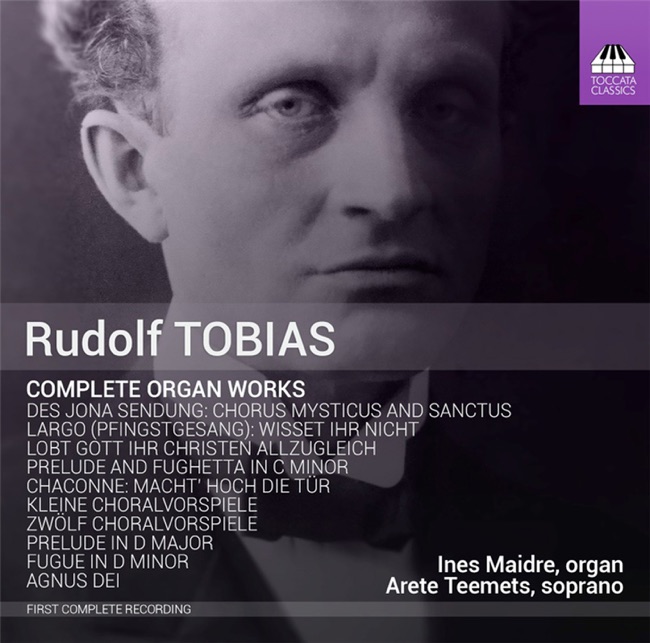 April 14, 2015
Artist Info
Role:ComposerCountry: EstoniaBirth:May 29, 1873 in KäinaDeath:October 29, 1918 in Berlin, GermanyPeriod:ModernGenre:ChamberChoralOrchestralRudolf Tobias was a prominent Estonian composer of classical music. He was born on May 29, 1873, in Selja, Estonia, which was then part of the Russian Empire. Tobias was the son of a Lutheran pastor, and his family was musically inclined. His father played the organ, and his mother was a singer. Tobias showed an early interest in music and began playing the piano at a young age. Tobias received his early education in Estonia and later studied music in St. Petersburg, Russia. He studied composition with Nikolai Rimsky-Korsakov, who was one of the most prominent composers of the time. Tobias also studied with other notable composers, including Anatoly Lyadov and Alexander Glazunov. In 1893, Tobias returned to Estonia and began working as a music teacher. He also began composing music, and his first major work was a cantata called "Joonas" (Jonah), which was based on a biblical story. The cantata was well-received, and it established Tobias as a composer of note. Over the next few years, Tobias continued to compose music and became increasingly well-known in Estonia. In 1904, he composed his first symphony, which was premiered in Tallinn, Estonia. The symphony was a critical success, and it helped to establish Tobias as one of the leading composers in Estonia. In 1908, Tobias was appointed as the organist at the St. John's Church in Tartu, Estonia. He held this position for the rest of his life and became known for his skill as an organist. Tobias also continued to compose music during this time and produced several notable works, including his second symphony, which was premiered in 1918. One of Tobias's most famous works is his oratorio "Des Jona Sendung" (The Mission of Jonah), which he composed between 1912 and 1915. The oratorio is based on the biblical story of Jonah and the whale and is considered one of the most significant works of Estonian classical music. The oratorio was premiered in 1916 and was a critical and popular success. During World War I, Tobias was forced to flee Estonia and spent several years in Germany. While in Germany, he continued to compose music and produced several notable works, including his third symphony, which was premiered in 1922. In 1926, Tobias returned to Estonia and continued to compose music. He produced several notable works during this time, including his fourth symphony, which was premiered in 1930. Tobias also became involved in the Estonian music scene and was a founding member of the Estonian Composers' Union. Tobias's music is characterized by its romanticism and its use of Estonian folk melodies. He was one of the first Estonian composers to incorporate folk music into his compositions, and this helped to establish a distinct Estonian classical music tradition. Tobias died on October 29, 1918, in Berlin, Germany, at the age of 45. He was buried in the St. John's Church in Tartu, Estonia, where he had served as the organist for many years. Tobias's legacy as a composer of classical music continues to be celebrated in Estonia, and his works are still performed and recorded today.More....
Recent Artist Music

Copyright Ⓒ 2013 Davinci Finger. All rights reseved
Service Terms & Policy