


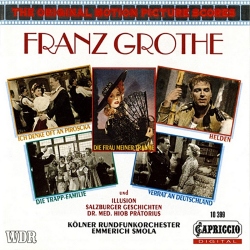
Franz Grothe
Released Album
Film
-
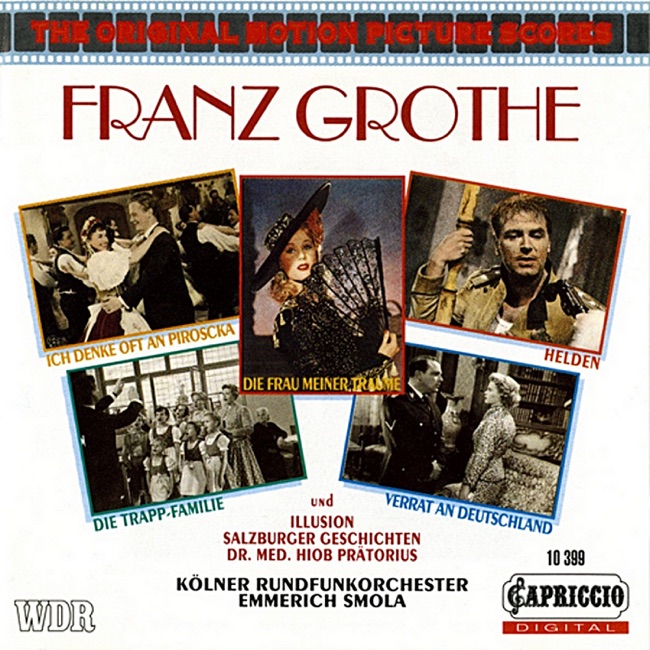 December 1, 1995
Vocal
-
 August 26, 2023
 -
 February 10, 2017
 -
 September 30, 2016
 -
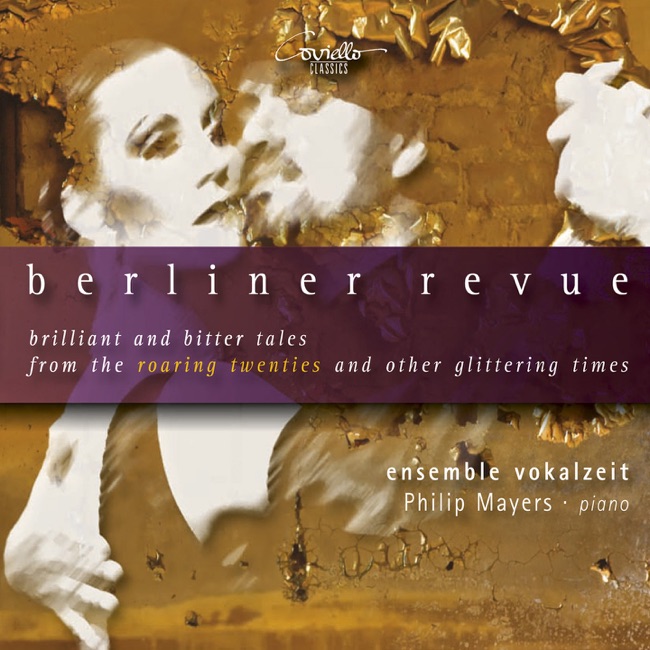 November 9, 2008
 -
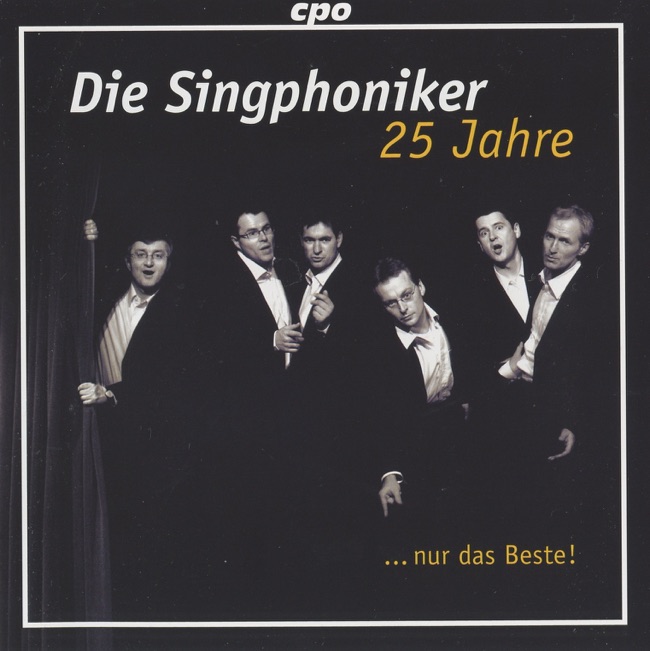 January 29, 2008
Choral
-
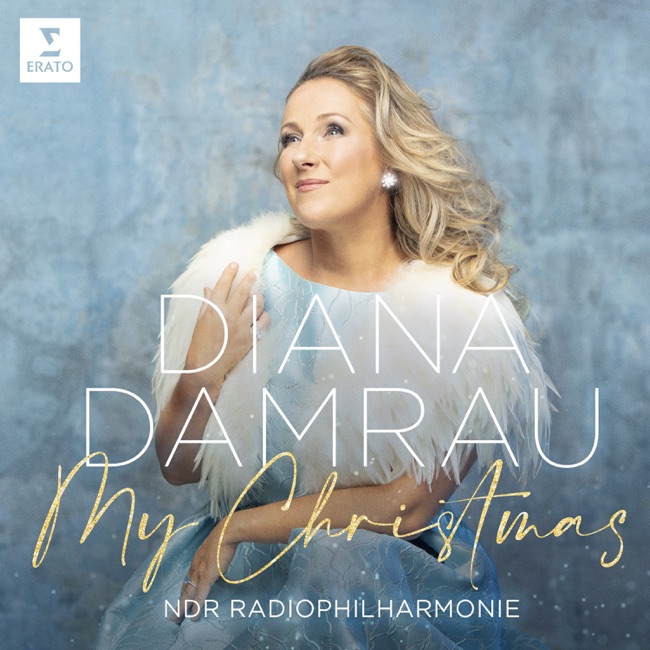 November 4, 2022
Artist Info
Role:Composer ConductorCountry: GermanyBirth:September 17, 1908 in Berlin, GermanyDeath:September, 1982 in Cologne, GermanyGenre:FilmFranz Grothe was a German composer and conductor who was born on September 10, 1908, in Berlin, Germany. He was the son of a music teacher and grew up in a musical family. His father, Paul Grothe, was a composer and conductor, and his mother, Gertrud Grothe, was a singer. Franz Grothe showed an early interest in music and began playing the piano at the age of six. Grothe studied music at the Berlin Academy of Music and later at the Leipzig Conservatory. He was a talented pianist and composer, and his early works were influenced by the music of the Romantic era. In 1930, he composed his first film score for the movie "Der Mann, der seinen Mörder sucht" (The Man Who Seeks His Murderer). Grothe's career as a film composer took off in the 1930s, and he became one of the most successful composers in Germany. He composed music for over 200 films, including some of the most popular movies of the time, such as "Die Drei von der Tankstelle" (Three from the Filling Station) and "Liebling der Matrosen" (Darling of the Sailors). Grothe's music was known for its catchy melodies and romantic themes. He often used the accordion and other folk instruments in his compositions, which gave his music a distinctively German sound. Some of his most famous songs include "Ich brech' die Herzen der stolzesten Frau'n" (I Break the Hearts of the Proudest Women) and "Bel Ami." In addition to his work as a film composer, Grothe also composed music for the stage. He wrote several operettas, including "Das Dreimäderlhaus" (The Three Girls' House), which was based on the life of composer Franz Schubert. The operetta was a huge success and was later adapted into a film. Grothe was also a talented conductor and led several orchestras throughout his career. He conducted the Berlin Philharmonic Orchestra and the Vienna Symphony Orchestra, among others. Despite his success as a composer, Grothe's career was interrupted by World War II. He was drafted into the German army and served on the Eastern Front. After the war, he was briefly imprisoned by the Soviet Union but was released in 1946. Grothe continued to compose music after the war and wrote several more film scores, including the music for the movie "Die Sünderin" (The Sinner), which starred Hildegard Knef. He also composed music for the stage, including the operetta "Die Perlen der Cleopatra" (The Pearls of Cleopatra). In the 1950s, Grothe's music became less popular as rock and roll and other modern styles of music gained popularity. However, he continued to compose music and wrote several more film scores, including the music for the movie "Die Halbstarken" (The Half-Strong). Grothe died on April 12, 1982, in Munich, Germany. He was 73 years old. Despite the decline in popularity of his music, his compositions continue to be performed and recorded today. His music is remembered for its romantic melodies and its contribution to the golden age of German cinema.More....
Recent Artist Music
8
3:40

Copyright Ⓒ 2013 Davinci Finger. All rights reseved
Service Terms & Policy