


Maurice Eisenberg
Released Album
Concerto
-
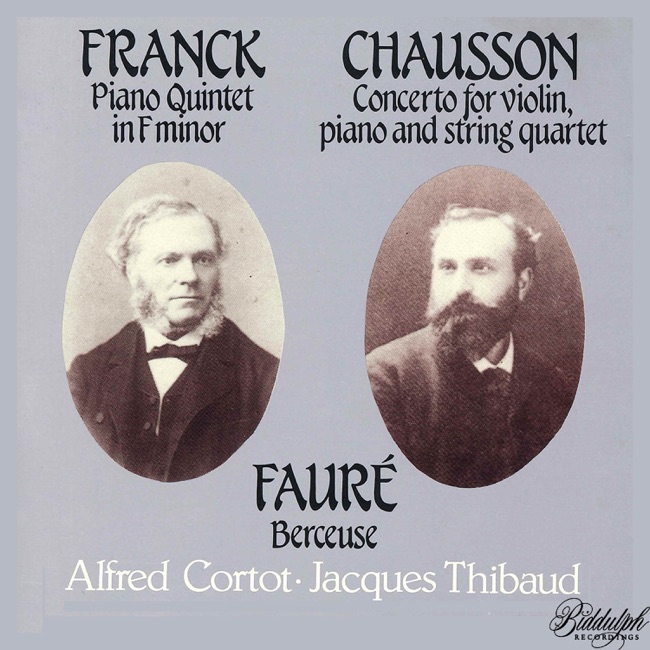 November 1, 1990
Chamber
-
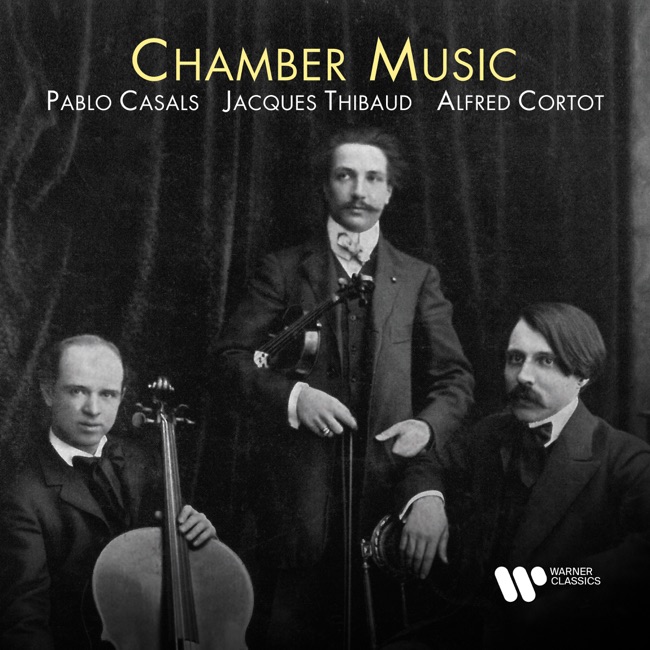 May 19, 2023
 -
Artist Info
Birth:February 24, 1900 in Königsberg, GermanyDeath:December 13, 1972 in New York City, NYPeriod:RomanticGenre:ChamberConcertoMaurice Eisenberg was a renowned cellist and music educator who made significant contributions to the world of classical music. Born on December 23, 1872, in Riga, Latvia, Eisenberg showed an early interest in music and began playing the cello at the age of six. His family moved to the United States when he was nine years old, and he continued his musical studies in New York City. Eisenberg's talent as a cellist was quickly recognized, and he began performing in public at a young age. He made his debut as a soloist with the New York Philharmonic at the age of 16, and went on to perform with many other major orchestras throughout his career. He was known for his virtuosic playing and his ability to bring out the emotional depth of the music he performed. In addition to his performing career, Eisenberg was also a dedicated music educator. He taught at the Juilliard School of Music for many years, and his students included some of the most prominent cellists of the 20th century, such as Leonard Rose and Harvey Shapiro. He was known for his rigorous teaching style and his emphasis on technique and musical expression. One of Eisenberg's most notable performances was his 1917 debut at Carnegie Hall, where he performed the Dvorak Cello Concerto with the New York Symphony Orchestra. The performance was a critical and popular success, and helped to establish Eisenberg as one of the leading cellists of his time. He went on to perform at Carnegie Hall many times throughout his career, and was always warmly received by audiences and critics alike. Eisenberg also had a successful international career, and performed in many countries throughout Europe and South America. He was particularly well-known in Russia, where he performed with the Moscow Philharmonic Orchestra and other major ensembles. He was also a frequent performer at music festivals, including the Salzburg Festival and the Edinburgh Festival. In addition to his performing and teaching work, Eisenberg was also a composer and arranger. He wrote several pieces for cello, including a concerto and a sonata, as well as numerous transcriptions and arrangements of other works. His compositions and arrangements were known for their technical difficulty and their expressive power. Throughout his career, Eisenberg received many honors and awards for his contributions to classical music. He was awarded the Order of the Red Banner of Labor by the Soviet Union in 1935, and was also awarded the Order of the White Lion by the Czechoslovakian government. He was a member of the American Academy of Arts and Sciences, and was awarded an honorary doctorate by the University of Michigan. Eisenberg continued to perform and teach until his death in 1959. His legacy as a cellist and music educator lives on through his recordings, his compositions and arrangements, and the many students he taught over the course of his career. He remains an important figure in the history of classical music, and his contributions to the art form continue to be celebrated and admired by musicians and music lovers around the world.More....
Recent Artist Music
1
4:37
Copyright Ⓒ 2013 Davinci Finger. All rights reseved
Service Terms & Policy