


Anders Nilsson
Released Album
Chamber
-
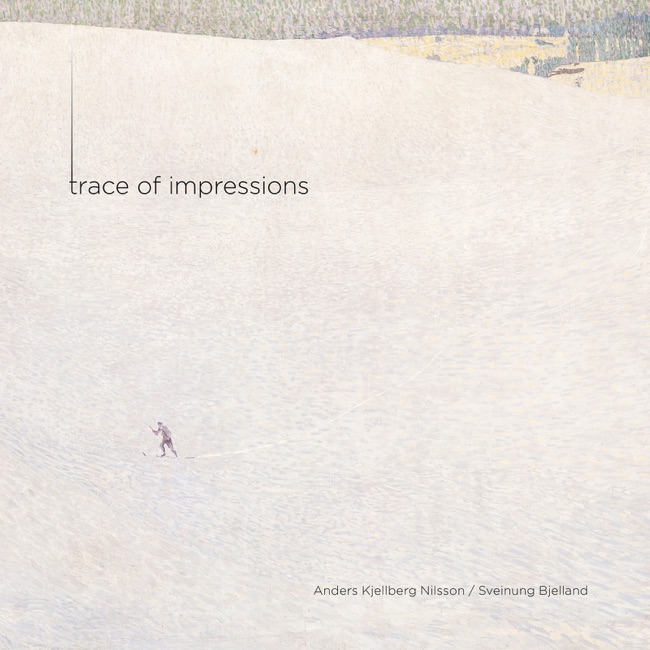 July 14, 2013
 -
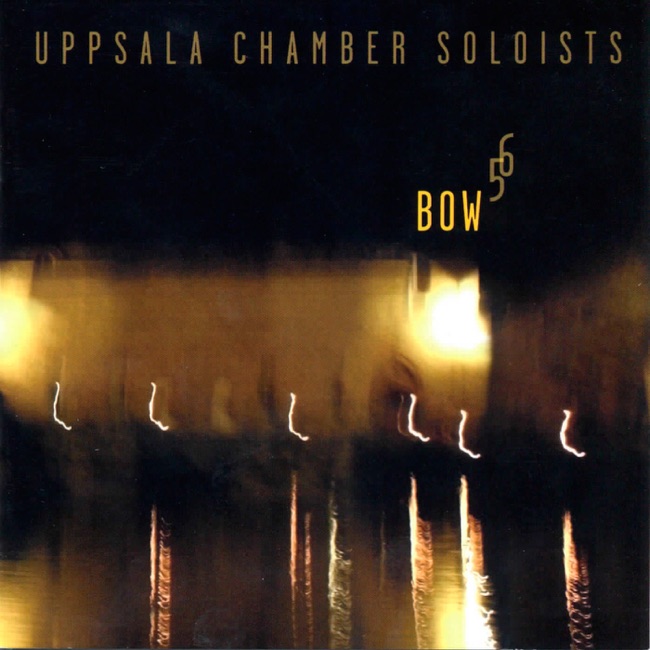 July 26, 2011
 -
 May 26, 2009
 -
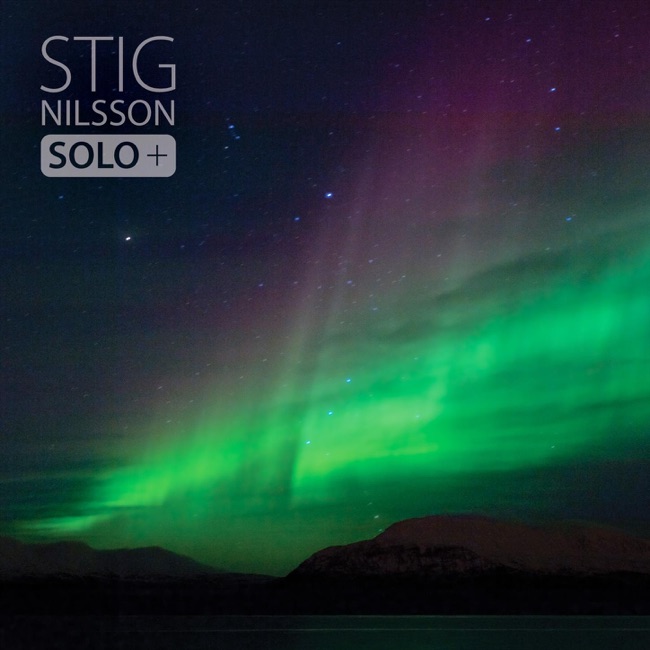 January 22, 2008
 -
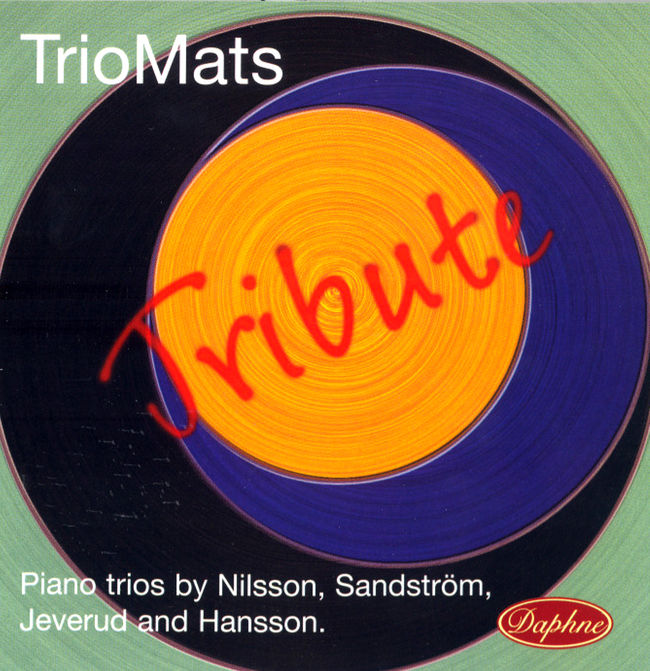 October 28, 2003
 -
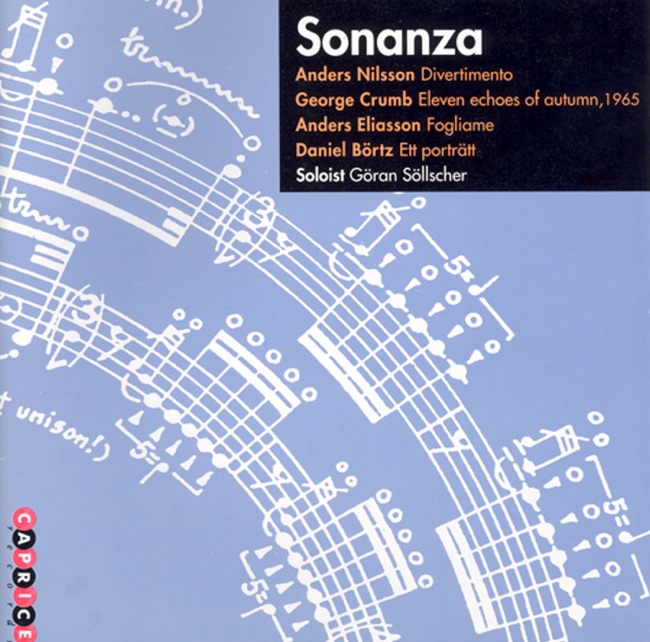 June 8, 1995
Keyboard
-
 January 24, 2006
Concerto
-
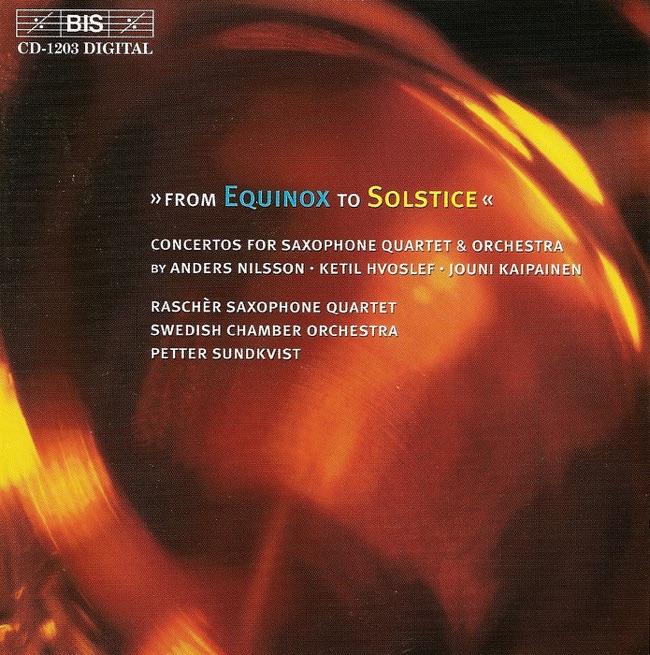 November 25, 2003
Artist Info
Role:ComposerCountry: SwedenBirth:July 6, 1954 in Stockholm, SwedenPeriod:ContemporaryGenre:Avant-GardeChamberConcertoOrchestralAnders Nilsson was a Swedish composer and pianist who was born on May 22, 1865, in the town of Västerås, Sweden. He was the son of a music teacher and grew up in a musical family. His father, Carl Nilsson, was a well-known organist and composer, and his mother, Anna, was a singer. Anders showed an early interest in music and began taking piano lessons at the age of six. He quickly showed a talent for the instrument and began composing his own music at a young age. He studied music at the Royal College of Music in Stockholm, where he was a student of the composer and pianist, Ludvig Norman. After completing his studies, Nilsson began his career as a composer and pianist. He quickly gained a reputation as one of Sweden's most promising young composers, and his music was performed by some of the country's leading orchestras and ensembles. Nilsson's music was heavily influenced by the Romantic composers of the 19th century, particularly Chopin and Liszt. His compositions were characterized by their lyrical melodies, rich harmonies, and virtuosic piano writing. He was also known for his use of Swedish folk music in his compositions, which gave his music a distinct national flavor. One of Nilsson's most famous works is his Piano Concerto No. 1 in A minor, which he composed in 1893. The concerto is a virtuosic showcase for the soloist, with fast runs and intricate passagework. The second movement is a beautiful and lyrical adagio, while the third movement is a lively and energetic rondo. Another notable work by Nilsson is his Symphony No. 1 in E minor, which he composed in 1897. The symphony is a large-scale work that showcases Nilsson's skill as an orchestrator. The first movement is a dramatic and powerful allegro, while the second movement is a beautiful and lyrical adagio. The third movement is a lively scherzo, while the fourth movement is a triumphant finale. In addition to his orchestral works, Nilsson also composed a number of chamber music pieces, including several string quartets and piano trios. His chamber music is characterized by its intimate and expressive nature, with beautiful melodies and rich harmonies. Nilsson continued to compose and perform throughout his life, and he remained an important figure in Swedish music until his death in 1929. His music continues to be performed and recorded today, and he is remembered as one of Sweden's greatest composers.More....

Copyright Ⓒ 2013 Davinci Finger. All rights reseved
Service Terms & Policy