


Robin Milford
Released Album
Keyboard
-
 October 26, 2004
 -
 January 17, 1995
Concerto
-
 May 20, 2022
 -
 May 4, 2018
 -
-
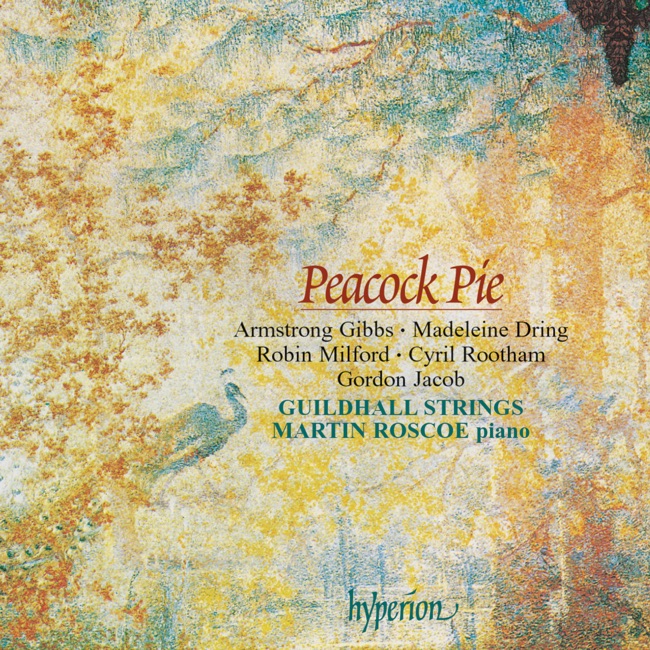 March 4, 2002
Chamber
-
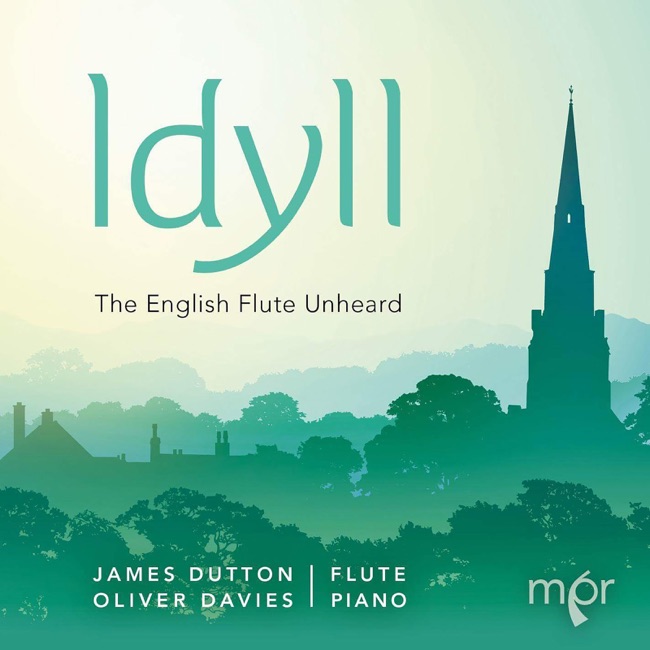 June 22, 2018
 -
 October 14, 2014
Vocal
-
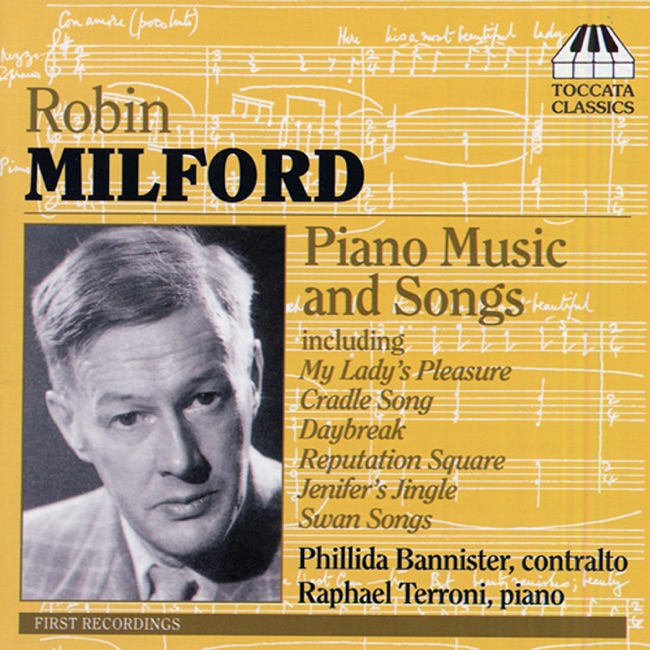 June 10, 2008
Artist Info
Role:ComposerCountry: United KingdomBirth:January 22, 1903 in Oxford, EnglandDeath:December 29, 1959 in Lyme RegisPeriod:ModernGenre:ConcertoKeyboardVocalRobin Milford was a British composer born on January 22, 1903, in Oxford, England. He was the son of a clergyman and grew up in a musical family. His mother was a pianist, and his father played the organ. Milford showed an early interest in music and began playing the piano at a young age. He also learned to play the violin and the organ. Milford attended Magdalen College School in Oxford, where he studied music with the school's music master, Hugh Allen. Allen recognized Milford's talent and encouraged him to pursue a career in music. Milford went on to study at the Royal College of Music in London, where he studied composition with Ralph Vaughan Williams and piano with Harold Samuel. Milford's early compositions were heavily influenced by Vaughan Williams and other English composers of the time. His first major work, the Symphony in C minor, was written when he was just 21 years old. The symphony was well-received and helped establish Milford as a promising young composer. In the 1920s and 1930s, Milford continued to compose orchestral works, including several concertos for various instruments. He also wrote chamber music, choral works, and songs. His music was often described as lyrical and melodic, with a strong sense of English folk music. Milford's career was interrupted by World War II, during which he served in the Royal Air Force. After the war, he returned to composing and continued to write music until his death in 1959. One of Milford's most famous works is his String Quartet No. 1, which was written in 1934. The quartet is a four-movement work that showcases Milford's skill at writing for string instruments. The first movement is a lively and energetic allegro, while the second movement is a slow and melancholy adagio. The third movement is a scherzo, with a playful and rhythmic melody, and the final movement is a lively and joyful allegro. Milford's other notable works include his Piano Concerto No. 1, which was written in 1929, and his Symphony No. 2, which was written in 1944. The piano concerto is a three-movement work that features a virtuosic solo piano part. The symphony is a four-movement work that reflects the turmoil of the war years, with a somber and introspective first movement, a lively and rhythmic second movement, a slow and mournful third movement, and a triumphant and joyful final movement. Milford's music fell out of favor in the years following his death, but in recent years, there has been a renewed interest in his work. His music is now being performed and recorded more frequently, and he is being recognized as an important figure in British classical music.More....
Recent Artist Music
2
3:44
7
Violin Concerto in G minor, Op. 47
1. Adagio - Allegretto - Adagio - Allegro vivace - Poco meno mosso - Adagio - Allegro vivace
17:19
8

Fantasy Quintet, Op. 33
Phantasy Quintet, Op. 33, for clarinet and string quartet: Adagio di Molto
11:36
10
3:33

Copyright Ⓒ 2013 Davinci Finger. All rights reseved
Service Terms & Policy