


Benjamin Lees
Released Album
Keyboard
-
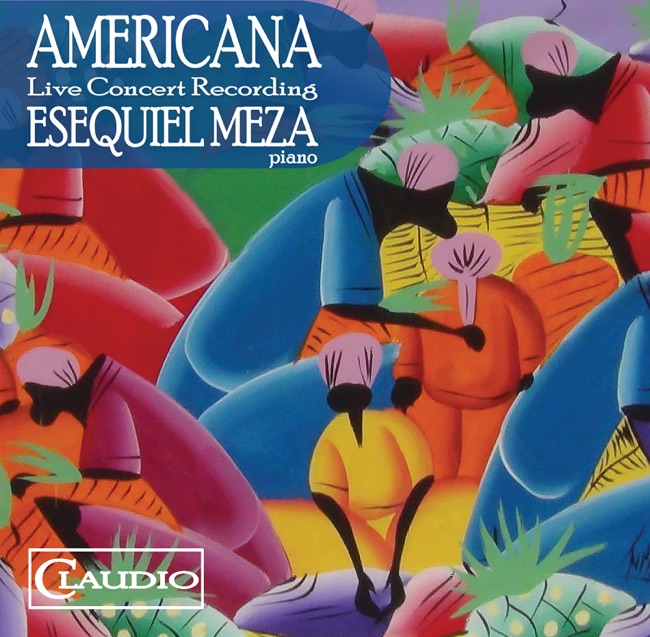 May 1, 2020
 -

-
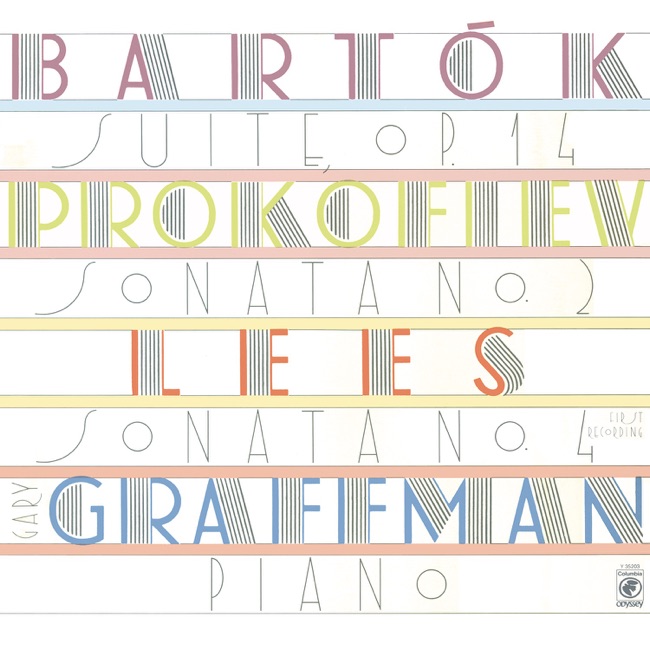
-
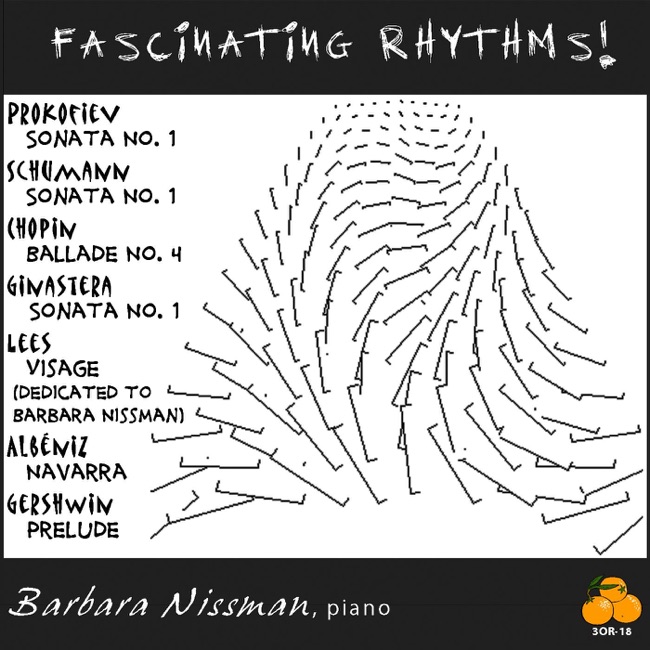 February 24, 2012
 -
 December 14, 2010
 -
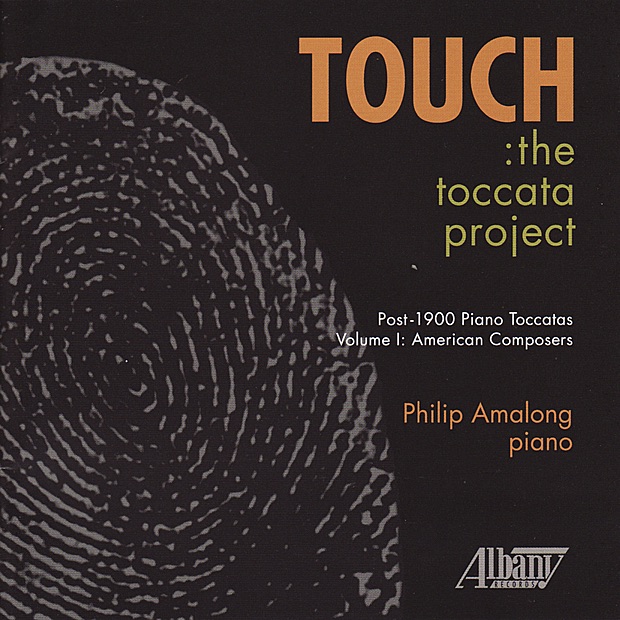 November 1, 2009
Orchestral
-
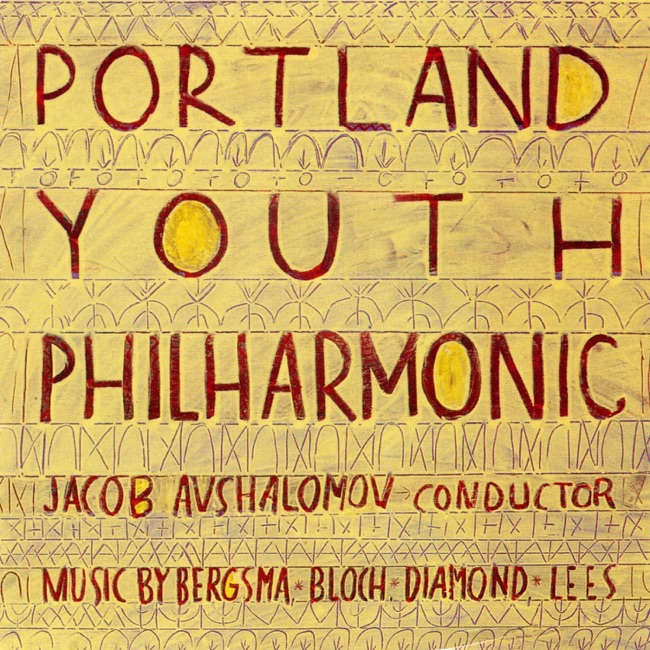 June 13, 1994
Chamber
-
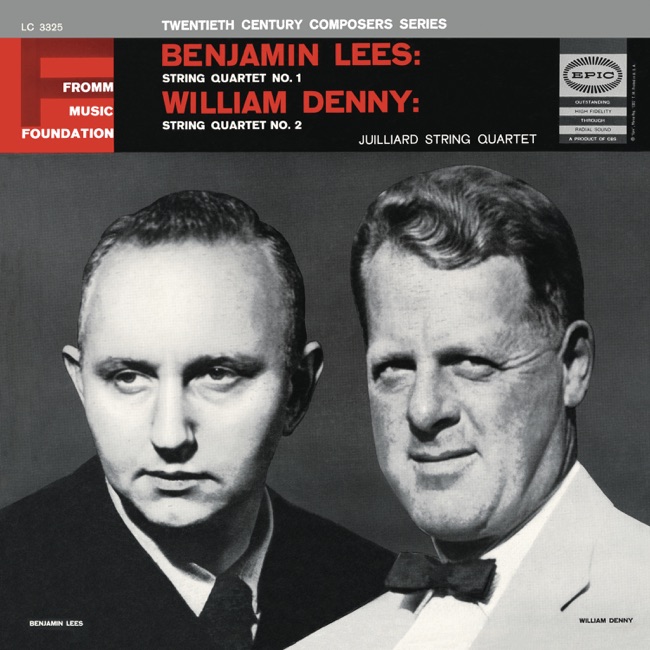
-
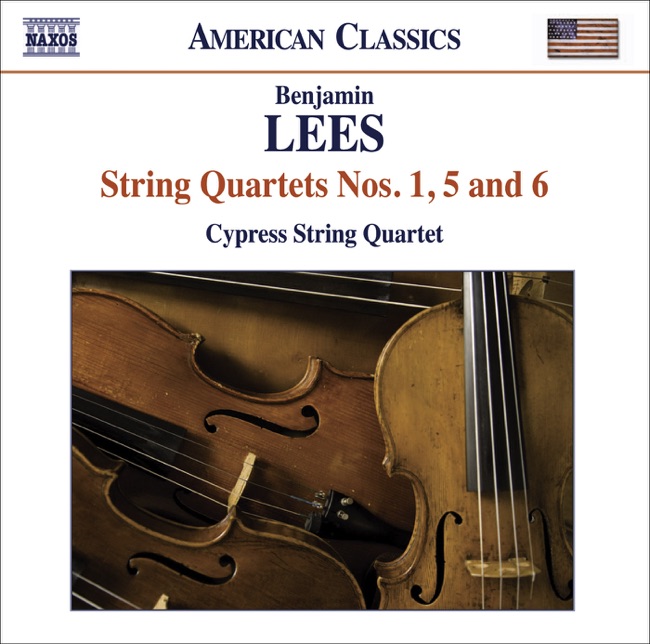 July 28, 2009
 -
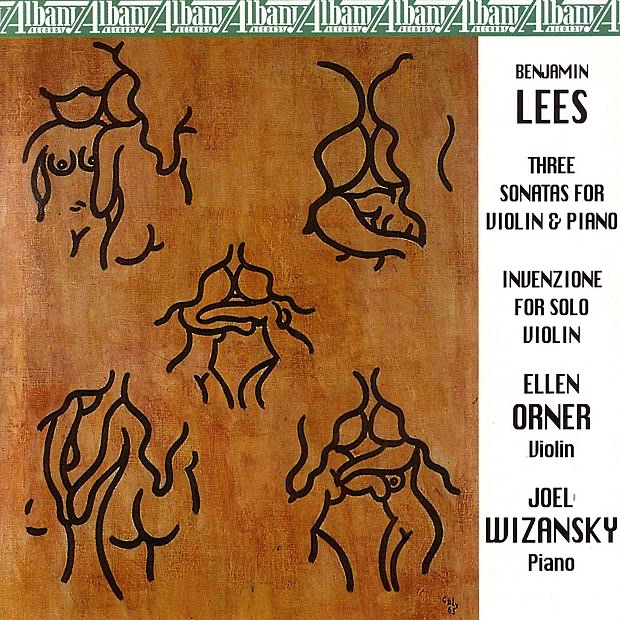 March, 1995
Symphony
-
-
 February 25, 2003
 -
-
 October 27, 1998
Artist Info
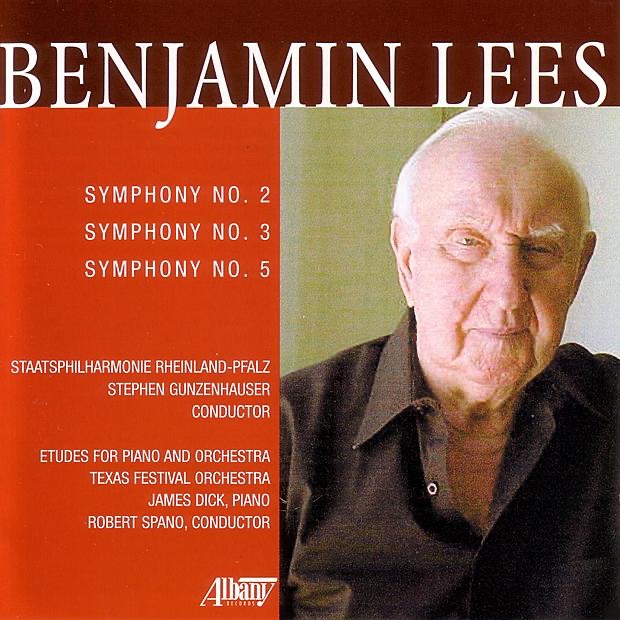
Role:ComposerBirth:January 8, 1924 in Kharbin, ChinaDeath:May 31, 2010 in Long Island, NYPeriod:ContemporaryGenre:ChamberConcertoKeyboardOrchestralSymphonyBenjamin Lees was an American composer who was born on January 8, 1924, in Harbin, China. His parents were Russian Jews who had fled to China to escape the Russian Revolution. Lees grew up in a musical family, and his father was a violinist who played in the Harbin Symphony Orchestra. Lees began playing the piano at a young age and showed an early talent for music. In 1936, Lees and his family moved to San Francisco, where he continued his musical studies. He studied composition with Darius Milhaud at Mills College in Oakland, California, and later with Bernard Rogers at the Eastman School of Music in Rochester, New York. Lees also studied conducting with Pierre Monteux and Leonard Bernstein. Lees' early works were influenced by the neoclassical style of Stravinsky and Hindemith. His first major work, the Symphony No. 1, was premiered by the San Francisco Symphony in 1948. The symphony was well-received and established Lees as a promising young composer. In the 1950s, Lees began to experiment with serialism and other modernist techniques. His Symphony No. 2, which premiered in 1952, was one of the first American symphonies to use serialism. Lees' music from this period is characterized by its complex rhythms, dissonant harmonies, and angular melodies. Lees' music continued to evolve throughout the 1960s and 1970s. He began to incorporate elements of jazz and rock music into his compositions, as well as electronic music. His Symphony No. 4, which premiered in 1968, features a jazz-influenced second movement and a third movement that uses electronic tape. Lees' music is known for its emotional intensity and dramatic power. His Symphony No. 5, which premiered in 1976, is a powerful work that deals with themes of war and peace. The symphony features a hauntingly beautiful second movement that is based on a Jewish folk melody. Lees' later works continued to explore new musical territory. His Symphony No. 6, which premiered in 1981, is a complex work that uses a variety of musical styles and techniques. The symphony features a third movement that is based on a Native American chant. Lees' music has been performed by many of the world's leading orchestras, including the New York Philharmonic, the Boston Symphony Orchestra, and the London Symphony Orchestra. He has received numerous awards and honors for his work, including a Guggenheim Fellowship and a Pulitzer Prize nomination. Lees continued to compose music well into his 90s. He died on May 31, 2010, at the age of 86. His legacy as a composer is one of innovation, experimentation, and emotional power.More....
Recent Artist Music

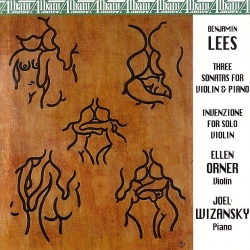
4
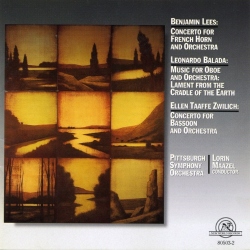
8:15
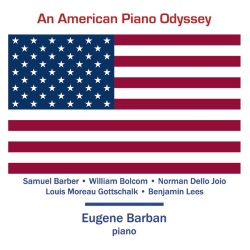
7
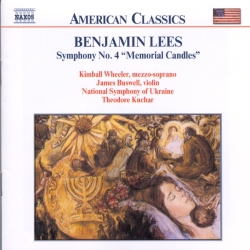
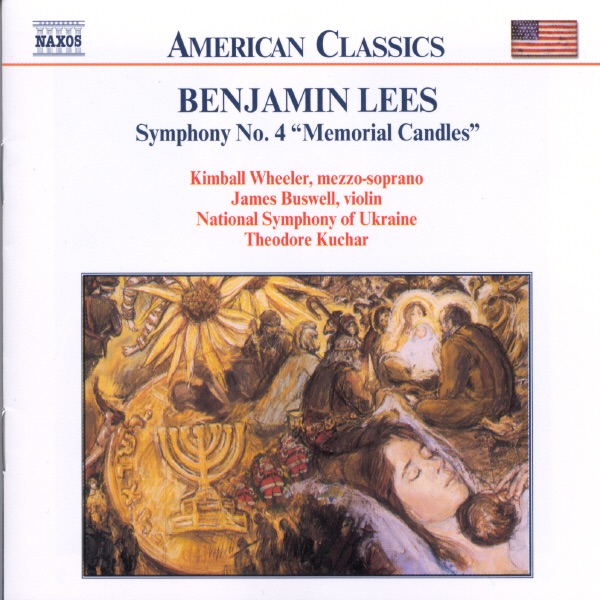
Symphony No. 4 "Memorial Candles"
1. Visitations (Slow, unhurried) "Someone blew the shofar"
20:44
12

1:57
Copyright Ⓒ 2013 Davinci Finger. All rights reseved
Service Terms & Policy