


Roy Budd
Released Album
Orchestral
-
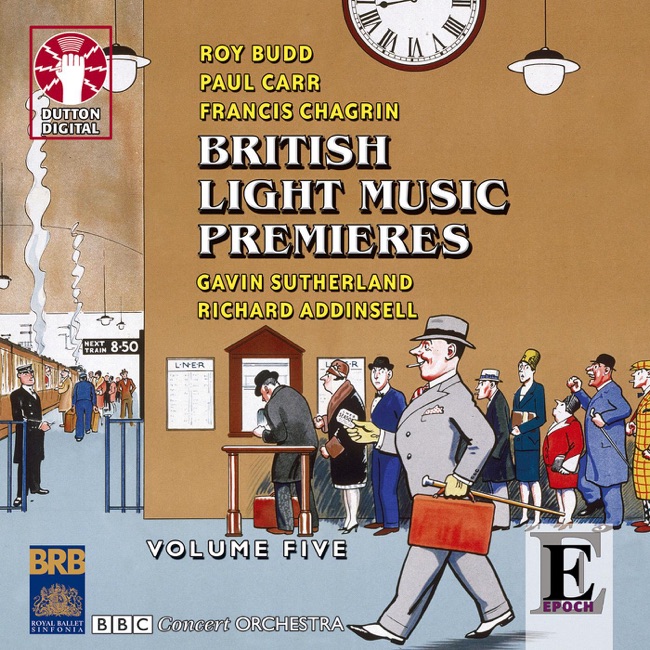 November 11, 2008
Keyboard
-
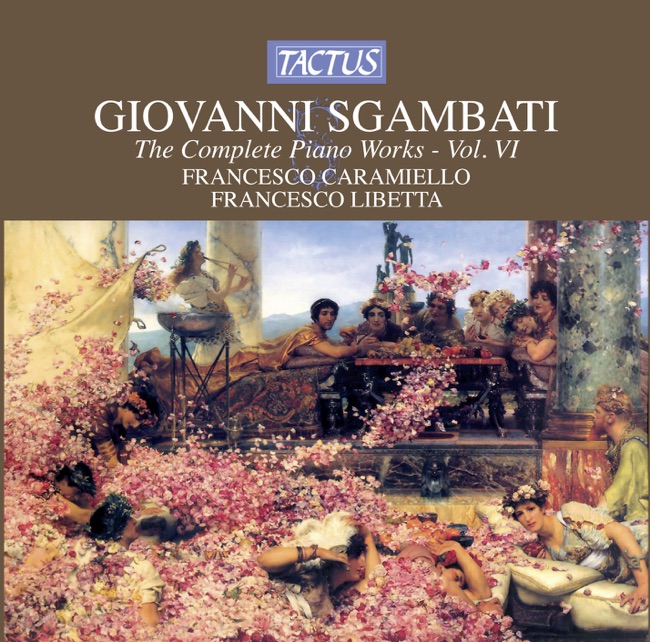 November 11, 2008
Film
-
 June 23, 2014
Artist Info
Role:Composer ConductorCountry: United KingdomBirth:March 14, 1947 in Mitcham, London, EnglandDeath:August 7, 1993Genre:FilmRoy Budd was a British composer and pianist who was born on March 14, 1947, in South Norwood, London. He was the youngest of three children and grew up in a working-class family. Budd's father was a jazz drummer, and his mother was a singer, which exposed him to music from an early age. Budd began playing the piano at the age of six and showed a natural talent for the instrument. Budd's musical education began at the age of eight when he started taking lessons at the Trinity College of Music in London. He quickly progressed and was soon performing in public. At the age of 12, Budd won a scholarship to study at the Royal Academy of Music, where he continued to develop his skills as a pianist. Budd's early career was focused on jazz music, and he played in various bands throughout the 1960s. In 1967, he formed his own trio and began performing at the Ronnie Scott's Jazz Club in London. Budd's talent as a pianist was widely recognized, and he was soon in demand as a session musician. He played on numerous recordings for artists such as Quincy Jones, Johnny Harris, and Donovan. In the early 1970s, Budd began to focus on composing music for films. His first major film score was for the 1971 crime thriller "Get Carter," starring Michael Caine. The score was a critical and commercial success and is now considered a classic of British film music. Budd's use of jazz and funk elements in the score was groundbreaking and helped to establish him as a leading composer in the film industry. Budd went on to compose music for a wide range of films, including "The Stone Killer" (1973), "The Black Windmill" (1974), and "The Marseille Contract" (1974). He also composed the score for the 1977 film "Soldier of Orange," which was directed by Paul Verhoeven and became a box office hit in the Netherlands. One of Budd's most famous film scores was for the 1974 action thriller "The Internecine Project," starring James Coburn. The score featured a memorable main theme that was later used in the Quentin Tarantino film "Kill Bill: Volume 1" (2003). Budd's music for "The Internecine Project" was also notable for its use of electronic instruments, which was unusual for film music at the time. Budd's music was characterized by its eclectic mix of styles, which included jazz, funk, classical, and electronic music. He was known for his use of unusual instruments, such as the harpsichord and the clavichord, and his ability to create memorable melodies. Budd's music was often described as cinematic and was praised for its ability to enhance the mood and atmosphere of the films it accompanied. In addition to his work in film music, Budd also composed music for television and the stage. He wrote the music for the 1976 television series "The Sweeney," which was a popular police drama in the UK. He also composed the music for the stage musical "The Phantom of the Opera," which premiered in 1991 in the UK. Budd's career was cut short when he died suddenly of a brain hemorrhage on August 7, 1993, at the age of 46. His death was a shock to the music industry, and he was mourned by fans and colleagues alike. Budd's legacy as a composer and pianist continues to be celebrated, and his music remains popular with audiences around the world. In conclusion, Roy Budd was a talented composer and pianist who made a significant contribution to the world of film music.More....
Recent Artist Music

Related Artists
Copyright Ⓒ 2013 Davinci Finger. All rights reseved
Service Terms & Policy