


Andor Losonczy
Released Album
Orchestral
-
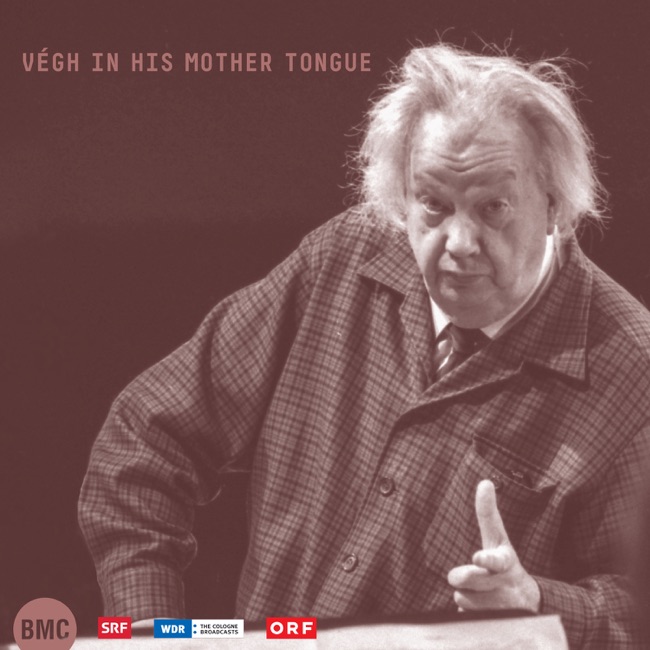 October 5, 2018
Keyboard
-
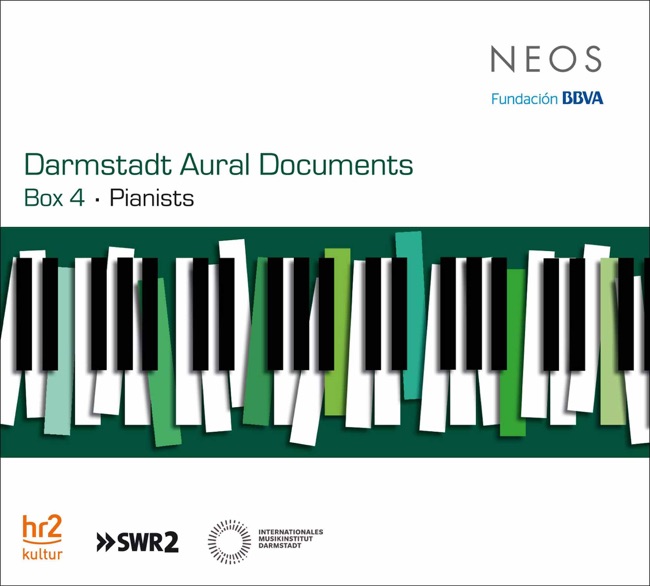 August 5, 2016
Artist Info
Role:ComposerAndor Losonczy was a Hungarian composer and pianist who was born on August 22, 1910, in Budapest, Hungary. He was the son of a music teacher and grew up in a musical family. His father, Lajos Losonczy, was a well-known pianist and composer, and his mother, Ilona Losonczy, was a singer. Andor Losonczy showed an early interest in music and began playing the piano at the age of four. Losonczy received his early musical education from his father, who taught him piano and composition. He later studied at the Franz Liszt Academy of Music in Budapest, where he was a student of Zoltán Kodály and Béla Bartók. Losonczy was a talented pianist and won several awards for his performances. He also began composing music at a young age and wrote his first piano piece when he was only eight years old. In 1932, Losonczy graduated from the Franz Liszt Academy of Music with a degree in composition. He then began working as a pianist and composer, performing in concerts and writing music for various ensembles. He also taught music at the Budapest Conservatory and the Franz Liszt Academy of Music. Losonczy's music was influenced by the folk music of Hungary and other Eastern European countries. He was particularly interested in the music of the Roma people, and he incorporated elements of their music into his compositions. His music was also influenced by the works of Bartók and Kodály, who were both pioneers of Hungarian folk music. Losonczy's compositions include works for piano, chamber ensembles, and orchestra. His most famous works include his Piano Concerto No. 1, which was premiered in 1940, and his String Quartet No. 1, which was premiered in 1942. He also wrote several pieces for solo piano, including his Sonata for Piano, which was premiered in 1936. Losonczy's music was well-received by audiences and critics alike. His Piano Concerto No. 1 was praised for its virtuosity and its use of Hungarian folk music. His String Quartet No. 1 was also well-received and was praised for its emotional depth and its use of folk melodies. During World War II, Losonczy continued to compose music and perform in concerts. However, his career was interrupted by the war, and he was forced to flee Hungary in 1944. He spent several years in Austria and Germany before emigrating to the United States in 1949. In the United States, Losonczy continued to compose music and perform in concerts. He taught music at several universities, including the University of Michigan and the University of California, Los Angeles. He also wrote music for films and television shows, including the theme music for the television series The Twilight Zone. Losonczy's music continued to be influenced by Hungarian folk music, but he also incorporated elements of American music into his compositions. His later works include his Piano Concerto No. 2, which was premiered in 1963, and his Symphony No. 1, which was premiered in 1970. Losonczy died on December 22, 1972, in Los Angeles, California. He was remembered as a talented composer and pianist who had a deep love for Hungarian folk music. His music continues to be performed and recorded today, and he is considered one of Hungary's most important composers of the 20th century.More....
Copyright Ⓒ 2013 Davinci Finger. All rights reseved
Service Terms & Policy