


Ernst Pepping
Released Album
Choral
-
 September 27, 2011
 -
 November 19, 2010
 -
 September 3, 2010
 -
 August 19, 2008
 -
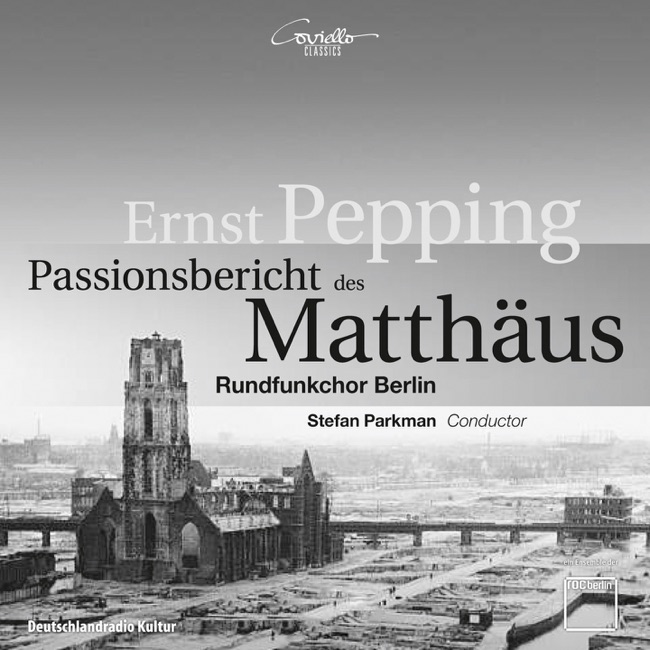 March 8, 2008
Keyboard
-
 July 10, 2020
 -
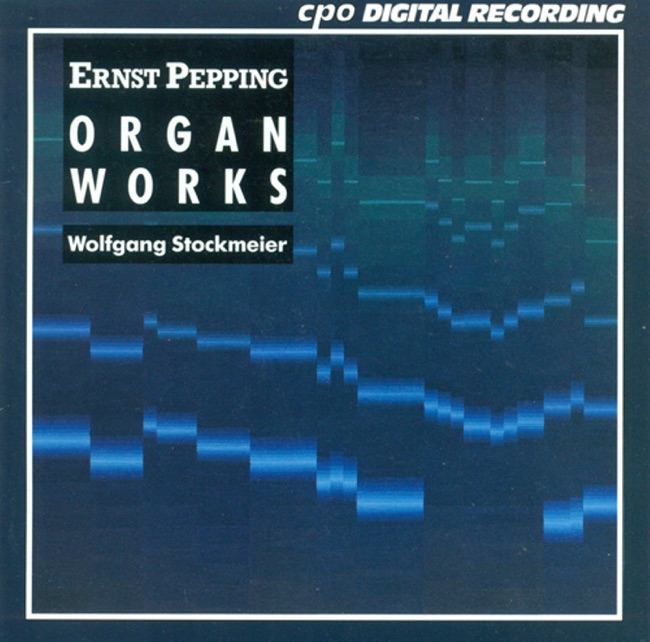 January 25, 1995
 -
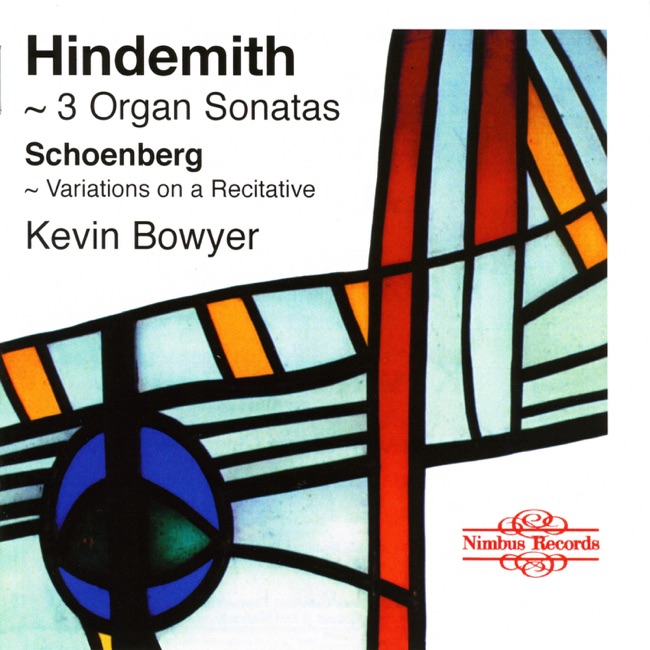 January 1, 1994
Symphony
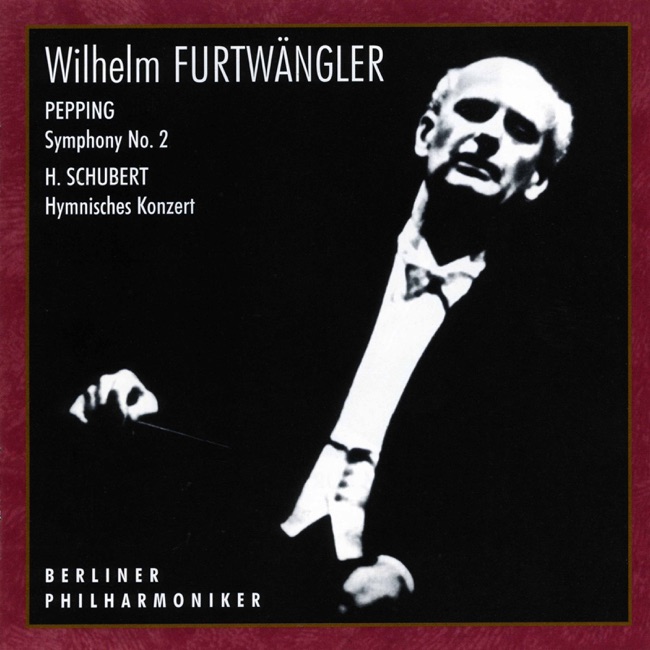
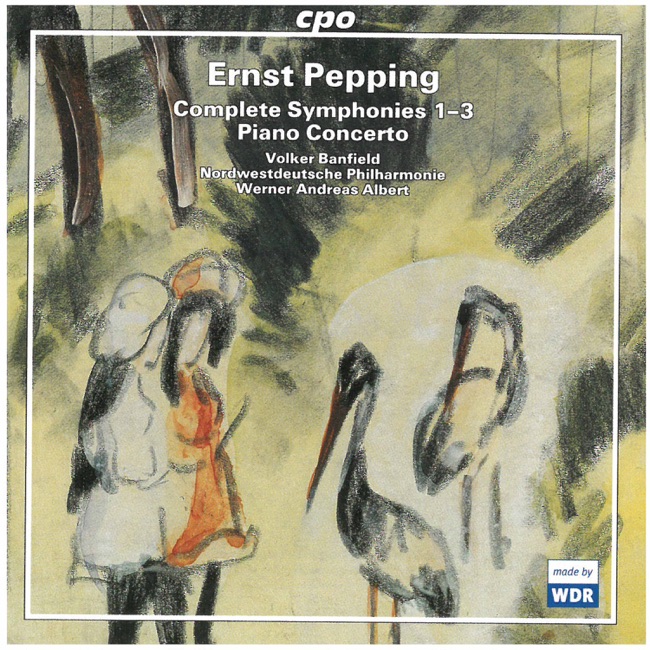
Artist Info
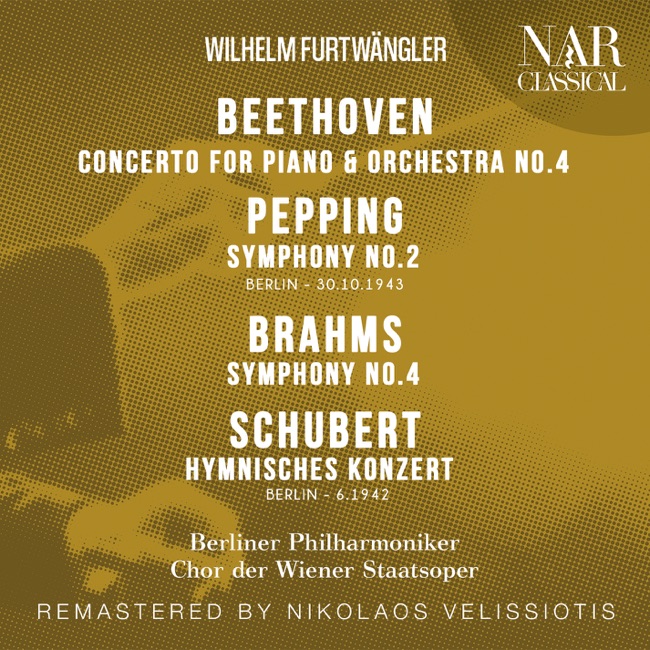
Role:ComposerCountry: GermanyBirth:September 12, 1901Death:February 1, 1981Period:ModernGenre:ChoralKeyboardSymphonyErnst Pepping was a German composer of classical music who was born on September 12, 1901, in Duisburg, Germany. He was the son of a church musician and grew up in a musical family. Pepping began his musical education at an early age, studying piano and organ with his father. He later studied composition with Philipp Jarnach and Heinrich Kaminski at the Cologne Conservatory. Pepping's early works were influenced by the music of Bach and the Baroque period. He was also influenced by the music of his contemporaries, including Paul Hindemith and Arnold Schoenberg. Pepping's music is characterized by its clarity, simplicity, and directness. He was a devout Christian and his music often reflects his faith. Pepping's career as a composer began in the 1920s, and he quickly gained recognition for his work. In 1929, he was appointed as the director of music at the St. Hedwig's Cathedral in Berlin, a position he held until 1945. During this time, he composed a number of works for the church, including masses, motets, and hymns. One of Pepping's most famous works is his "Choral Prelude on 'Wachet auf, ruft uns die Stimme'" for organ. This piece is based on a hymn by Philipp Nicolai and is one of Pepping's most popular works. It is characterized by its simple, yet powerful, melody and its use of counterpoint. Pepping's music was not without controversy, however. In 1933, he was accused of being a "cultural Bolshevik" by the Nazi regime and was briefly imprisoned. Despite this, Pepping continued to compose and his music remained popular throughout Germany. After World War II, Pepping continued to compose and his music became more experimental. He began to incorporate elements of serialism and atonality into his work, while still maintaining his characteristic clarity and simplicity. Some of his most famous works from this period include his "Symphony No. 1" and his "Concerto for Organ and Orchestra." Pepping died on February 1, 1981, in Berlin, Germany. He left behind a legacy of music that is still performed and admired today. His music is characterized by its clarity, simplicity, and directness, and it reflects his deep faith and devotion to Christianity. Pepping's work continues to be an important part of the classical music canon and his influence can be heard in the work of many contemporary composers.More....
Recent Artist Music



Copyright Ⓒ 2013 Davinci Finger. All rights reseved
Service Terms & Policy