


Steve Reich Ensemble
Released Album
Chamber
-
 November 20, 2007
 -
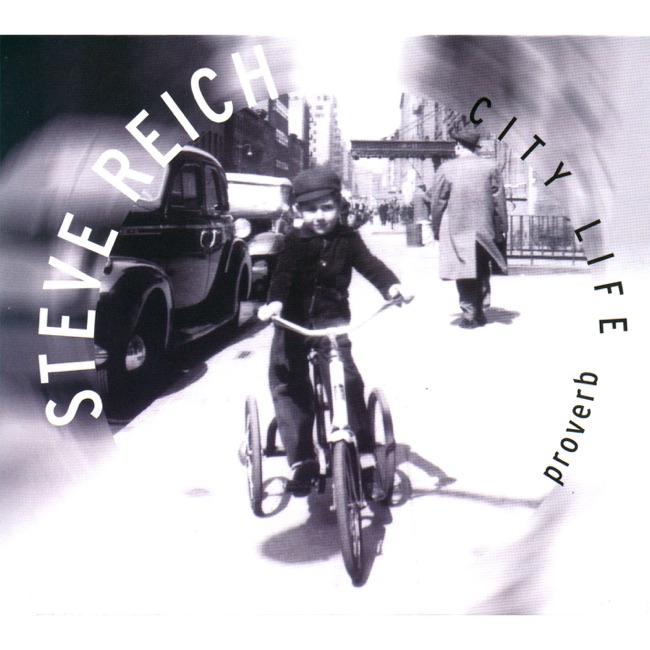 October 15, 1996
Vocal
-
 September 30, 2016
Musical Theatre
-
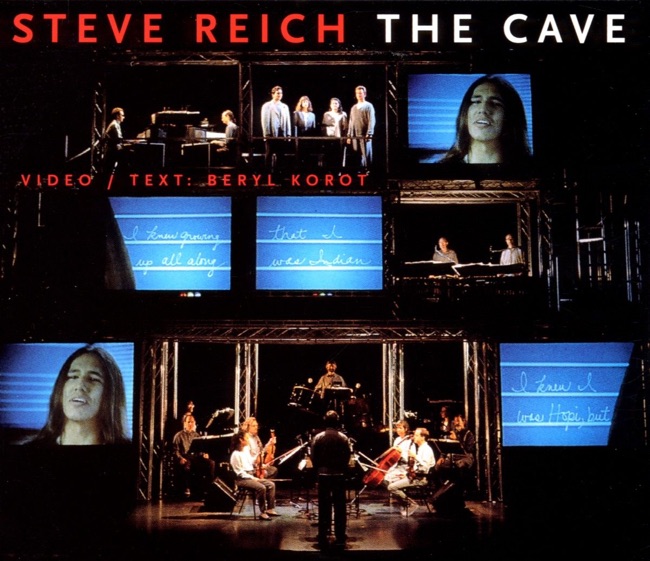 October 24, 1995
Opera
-
 August 19, 2003
Artist Info
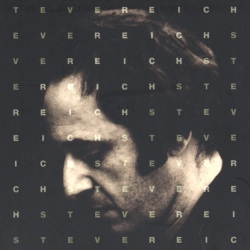
Role:EnsembleGenre:ChamberOrchestralSteve Reich is an American composer and musician who is widely regarded as one of the most influential figures in contemporary classical music. Born on October 3, 1936, in New York City, Reich grew up in a musical family and began playing the piano at a young age. He went on to study music at Cornell University and the Juilliard School, where he was exposed to the works of composers such as Igor Stravinsky and Arnold Schoenberg. In the early 1960s, Reich began experimenting with tape loops and other electronic techniques, which led to the development of his signature style of minimalism. This style is characterized by the repetition of simple musical patterns and the gradual evolution of those patterns over time. Reich's early works, such as "It's Gonna Rain" and "Come Out," were based on recordings of speech that were manipulated and repeated to create complex rhythmic structures. In 1966, Reich formed the Steve Reich Ensemble, which consisted of a group of musicians who specialized in performing his works. The ensemble initially consisted of four musicians, but it grew over time to include up to 18 performers. The ensemble's instrumentation varied depending on the piece being performed, but it typically included a mix of percussion, keyboards, winds, and strings. One of the ensemble's early highlights was the premiere of Reich's "Drumming" in 1971. This piece, which was written for a large ensemble of percussionists and singers, is considered one of Reich's most important works. It features a complex interlocking rhythm that gradually builds in intensity over the course of an hour. In the 1980s, Reich began incorporating more traditional instruments into his compositions, such as the string quartet and the orchestra. He also began collaborating with other artists, such as the choreographer Anne Teresa De Keersmaeker and the filmmaker Beryl Korot. One of the ensemble's most notable performances was the premiere of Reich's "Different Trains" in 1988. This piece, which was written for string quartet and tape, explores the themes of travel and displacement through the use of recorded interviews with Holocaust survivors and train sounds. The piece won a Grammy Award for Best Contemporary Composition in 1990. In 1996, the Steve Reich Ensemble performed at the opening ceremony of the Olympic Games in Atlanta, Georgia. The ensemble performed a piece called "Nagoya Marimbas," which was written for two marimbas and is one of Reich's most popular works. Over the years, the Steve Reich Ensemble has performed at some of the world's most prestigious venues, including Carnegie Hall, the Royal Albert Hall, and the Sydney Opera House. The ensemble has also collaborated with a wide range of musicians and artists, including the Kronos Quartet, the Bang on a Can All-Stars, and the visual artist Gerhard Richter. In addition to his work with the Steve Reich Ensemble, Reich has also composed numerous works for other ensembles and solo performers. His works have been performed by orchestras such as the New York Philharmonic and the London Symphony Orchestra, and he has received numerous awards and honors for his contributions to contemporary classical music. In 2009, Reich was awarded the Pulitzer Prize for Music for his composition "Double Sextet." The piece, which was written for two sextets of instruments, is a prime example of Reich's minimalist style and features intricate rhythmic patterns and shifting harmonies.More....
Recent Artist Music



Copyright Ⓒ 2013 Davinci Finger. All rights reseved
Service Terms & Policy