


Arthur Vincent Lourié
Released Album
Keyboard
-
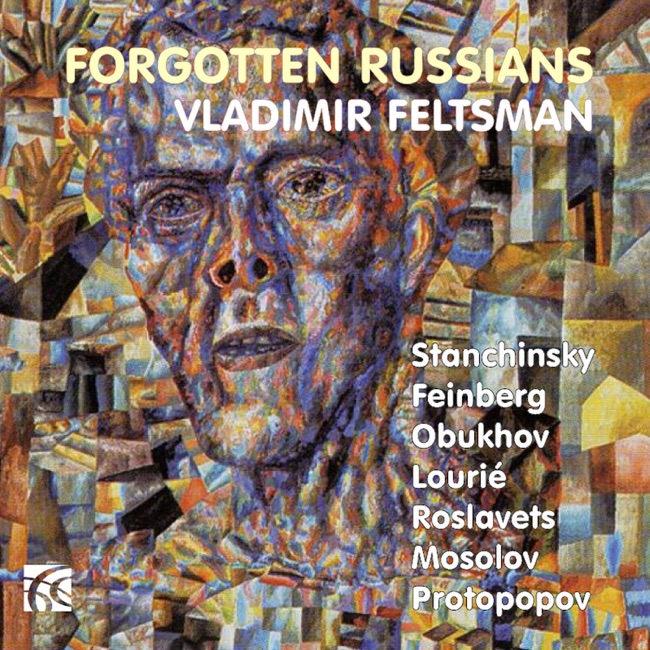 January 4, 2019
 -
 August 17, 2018
 -
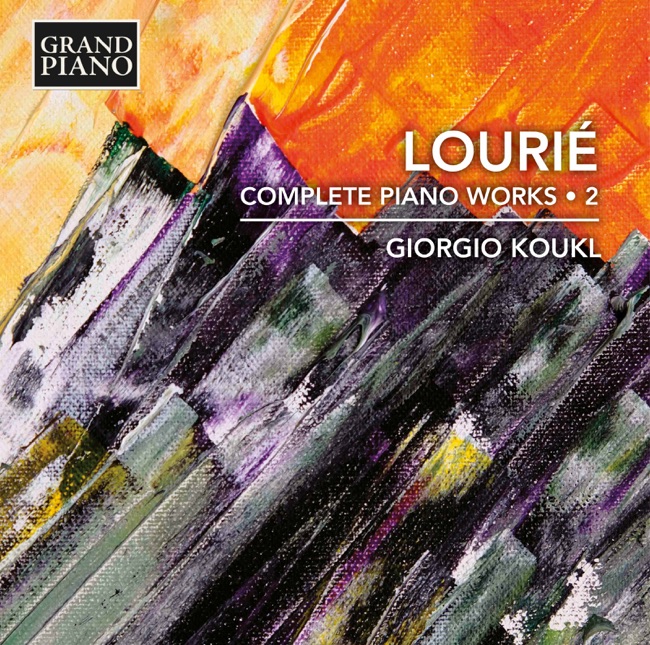 June 9, 2017
 -
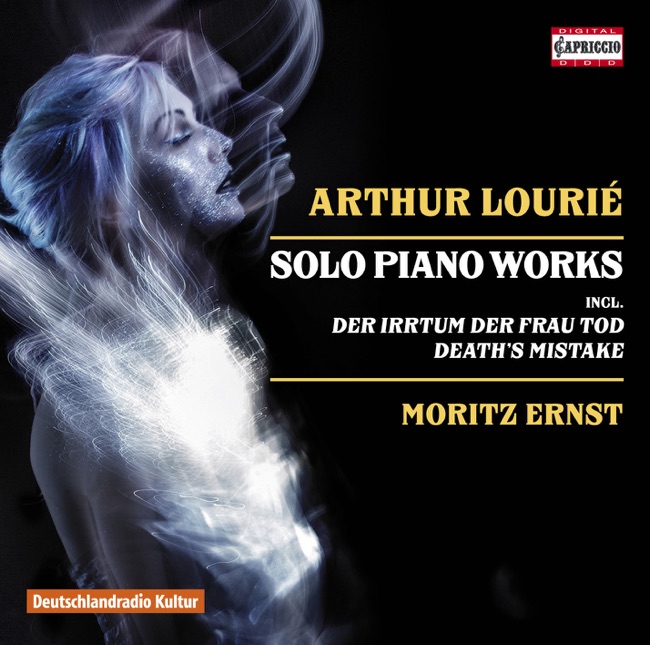 October 14, 2016
 -
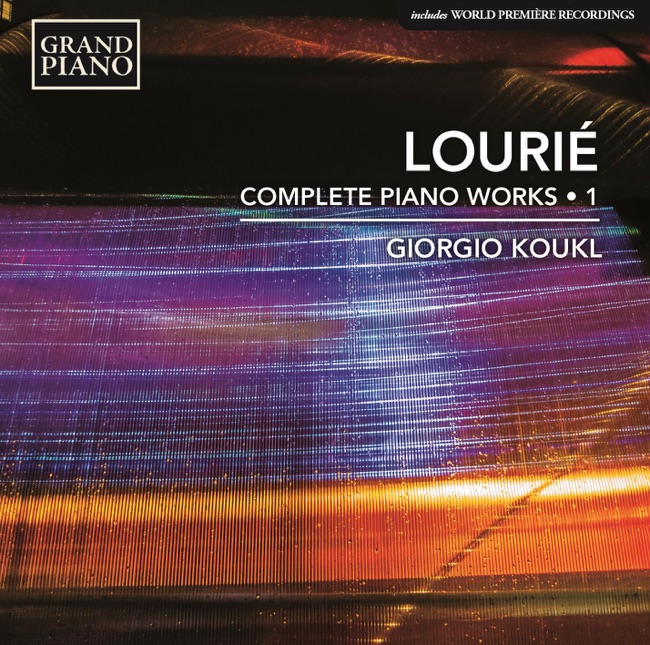 August 12, 2016
 -
 September 26, 2012
Concerto
-
 December, 1993
Artist Info
Role:ComposerBirth:May 14, 1892 in St. Petersburg, RussiaDeath:October 12, 1966 in Princeton, NJPeriod:ModernGenre:ChamberKeyboardArthur Vincent Lourié was a Russian-born composer who made significant contributions to the world of classical music during the early 20th century. He was born on May 14, 1891, in Propoysk, a small town in the Russian Empire. His father was a Frenchman, and his mother was a Russian. Lourié grew up in a musical family, and his parents encouraged him to pursue a career in music. Lourié began his musical education at the age of six, studying piano with his mother. He later studied with several prominent teachers, including Nikolai Zhilyayev and Alexander Goldenweiser. In 1910, he enrolled at the Moscow Conservatory, where he studied composition with Nikolai Miaskovsky and piano with Konstantin Igumnov. During his time at the Moscow Conservatory, Lourié became involved with the Futurist movement, a group of artists and writers who sought to break with traditional forms and embrace new forms of expression. Lourié's music was heavily influenced by the Futurist movement, and he became one of its leading figures. In 1915, Lourié moved to Switzerland, where he continued to compose and perform. He became friends with several prominent artists, including the composer Igor Stravinsky and the painter Pablo Picasso. Lourié's music during this period was characterized by its experimental nature and its use of unconventional forms and techniques. In 1922, Lourié moved to Paris, where he became involved with the group of composers known as Les Six. This group, which included composers such as Darius Milhaud and Francis Poulenc, sought to create a new, distinctly French style of music. Lourié's music during this period was heavily influenced by the French Impressionist movement, and he became known for his use of rich harmonies and colorful orchestration. Lourié's most famous works include his Piano Sonata No. 2, which was composed in 1916 and is considered one of the most important works of the Futurist movement. The sonata is characterized by its use of unconventional harmonies and rhythms, as well as its use of extended techniques such as glissandi and clusters. Another notable work by Lourié is his ballet The Prodigal Son, which was composed in 1929 for the Ballets Russes. The ballet, which was choreographed by George Balanchine, tells the story of a young man who leaves his family to seek his fortune and eventually returns home, repentant. The music for the ballet is characterized by its use of Russian folk melodies and its rich orchestration. Lourié's other notable works include his Symphony No. 1, which was composed in 1927 and is characterized by its use of complex rhythms and unconventional harmonies, and his Suite for Orchestra, which was composed in 1930 and is characterized by its use of rich, colorful orchestration. Despite his significant contributions to the world of classical music, Lourié's music fell out of favor during the mid-20th century. However, in recent years, there has been a renewed interest in his work, and his music has been performed and recorded by a number of prominent musicians and ensembles. Arthur Vincent Lourié died on October 12, 1966, in Princeton, New Jersey. His legacy as a composer and innovator in the world of classical music continues to be celebrated today.More....
Recent Artist Music
1
3:43



14
1:48
15
2:45
Copyright Ⓒ 2013 Davinci Finger. All rights reseved
Service Terms & Policy