


Romano Antonio Piacentino
Released Album
Concerto
-
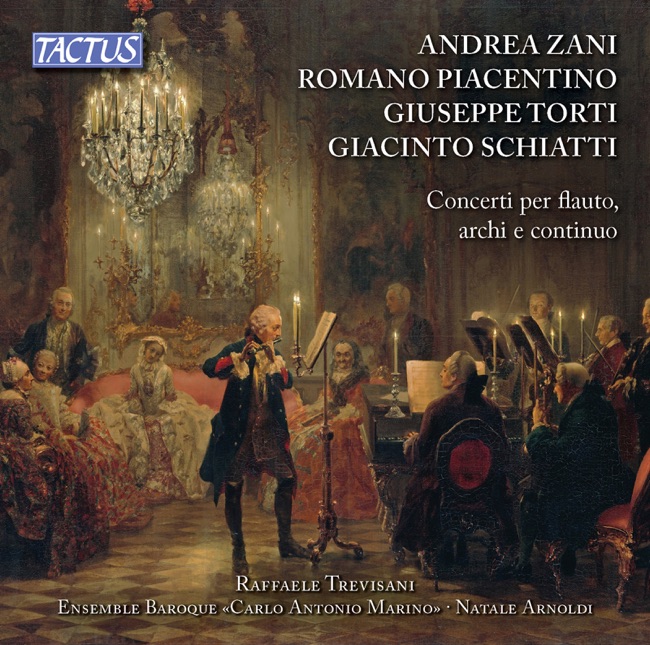
-
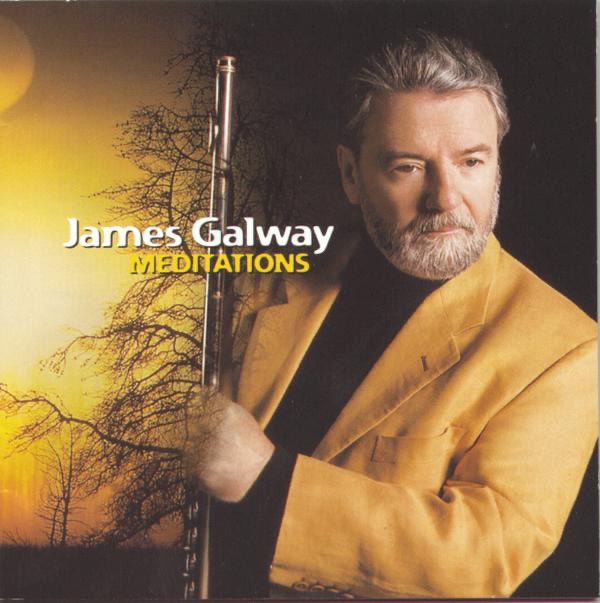 May 19, 1998
 -
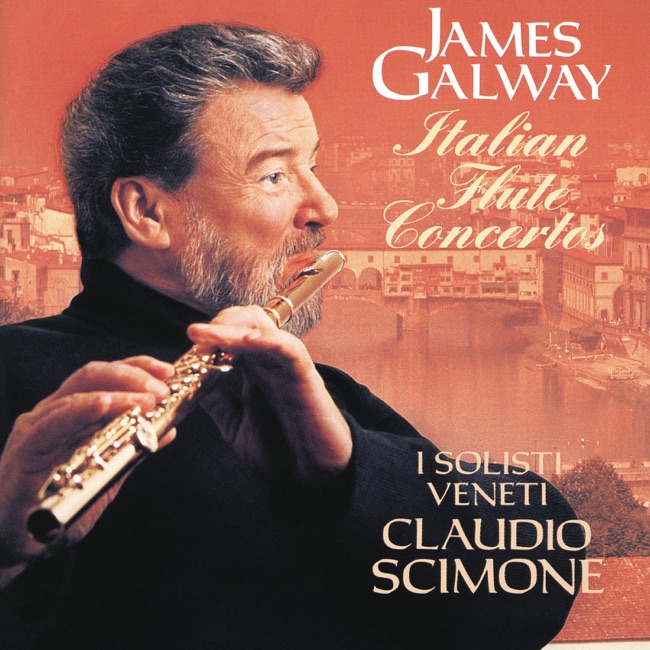 October 12, 1993
Artist Info
Role:ComposerPeriod:BaroqueGenre:ConcertoRomano Antonio Piacentino was a renowned classical music composer who was born on January 15, 1923, in the city of Naples, Italy. He was the youngest of four children born to a family of musicians. His father, a violinist, and his mother, a pianist, were both members of the Naples Philharmonic Orchestra. Growing up in a musical family, Piacentino was exposed to music from a very young age and showed a natural talent for it. Piacentino began his formal music education at the age of six when he started taking piano lessons from his mother. He quickly progressed and by the age of ten, he was already performing in public. He continued his studies at the Naples Conservatory, where he studied composition, piano, and conducting. He graduated with honors in 1942 and went on to study with some of the most prominent composers of the time, including Luigi Dallapiccola and Goffredo Petrassi. Piacentino's early works were heavily influenced by the neoclassical style of composers such as Stravinsky and Hindemith. His first major composition, the Concerto for Piano and Orchestra, was premiered in 1947 and received critical acclaim. This was followed by a series of chamber works, including the String Quartet No. 1 and the Sonata for Violin and Piano. In the 1950s, Piacentino's style began to evolve, and he started incorporating elements of serialism and atonality into his compositions. This can be heard in works such as the Piano Sonata No. 2 and the String Quartet No. 2. He also began experimenting with electronic music, and in 1958, he composed his first electronic work, the Tape Music No. 1. Throughout his career, Piacentino was known for his ability to blend different musical styles and techniques. He was particularly interested in incorporating elements of traditional Italian music into his compositions. This can be heard in works such as the Suite for Orchestra, which features folk melodies and rhythms. Piacentino's music was performed by some of the most prestigious orchestras and ensembles in the world, including the Berlin Philharmonic, the London Symphony Orchestra, and the New York Philharmonic. He also received numerous awards and honors for his work, including the prestigious Prix Italia in 1962 for his electronic work, the Tape Music No. 2. In addition to his work as a composer, Piacentino was also a respected conductor and educator. He served as the conductor of the Naples Philharmonic Orchestra from 1956 to 1960 and was a professor of composition at the Naples Conservatory from 1960 to 1988. He also taught at the Accademia Nazionale di Santa Cecilia in Rome and the Hochschule für Musik in Munich. Piacentino continued to compose and perform well into his later years. His final work, the String Quartet No. 4, was completed in 2001, just two years before his death. Throughout his career, he remained committed to pushing the boundaries of classical music and exploring new musical ideas and techniques. In conclusion, Romano Antonio Piacentino was a highly influential and respected composer who made significant contributions to the world of classical music. His works were characterized by their innovative use of different musical styles and techniques, and his ability to blend traditional Italian music with contemporary classical music. His legacy continues to inspire and influence composers and musicians around the world.More....
Recent Artist Music
Copyright Ⓒ 2013 Davinci Finger. All rights reseved
Service Terms & Policy