


Manuel José de Quiroz
Released Album
Vocal
-
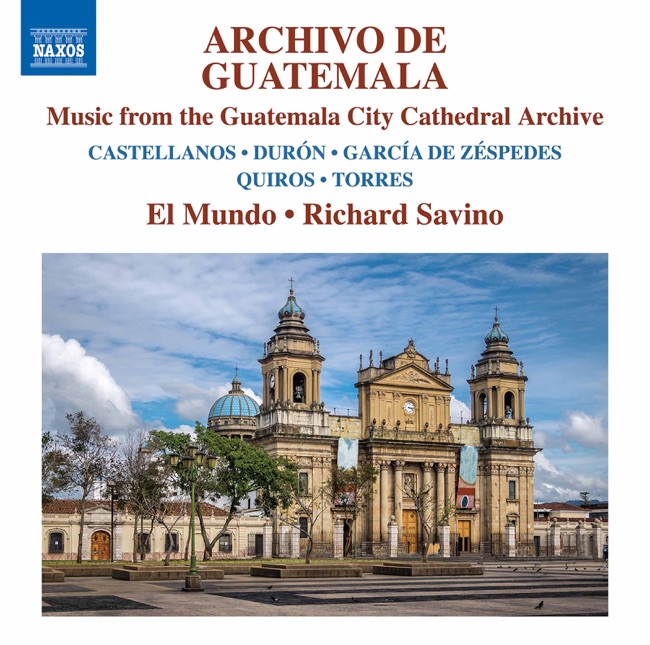
-
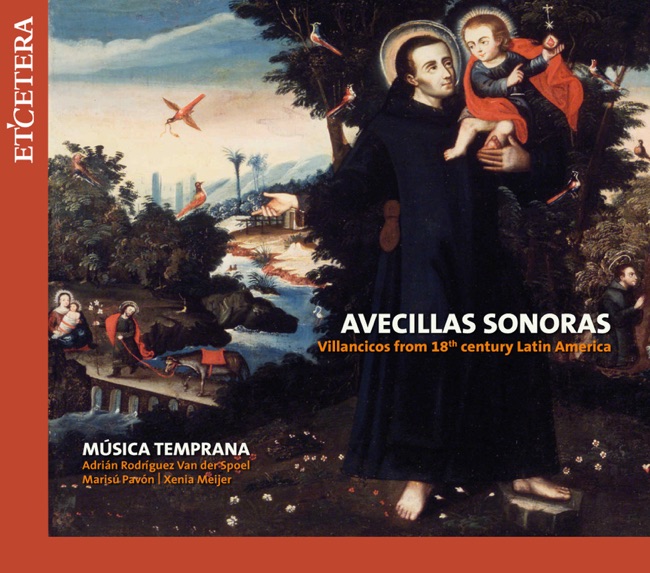 November 25, 2008
Artist Info
Role:ComposerDeath:1765Genre:VocalManuel José de Quiroz was a prominent classical music composer who lived during the 18th century. He was born in Lima, Peru, on May 1, 1723, to a family of musicians. His father, Juan de Quiroz, was a renowned composer and organist, and his mother, Josefa de la Cruz, was a singer. Manuel José de Quiroz grew up in a musical environment and showed an early interest in music. Quiroz received his musical education from his father, who taught him to play the organ and the harpsichord. He also studied composition and counterpoint with his father and other prominent musicians in Lima. Quiroz's talent as a composer became evident at a young age, and he started to compose his own music when he was only 14 years old. In 1742, Quiroz moved to Mexico City, where he continued his musical studies and started to work as a musician. He became the organist of the Cathedral of Mexico City and the Chapel Royal, where he composed music for religious ceremonies and concerts. Quiroz's music was well received by the public and the clergy, and he soon became one of the most prominent musicians in Mexico City. Quiroz's music was influenced by the Baroque style, which was popular in Europe at the time. His compositions were characterized by their complex harmonies, elaborate melodies, and intricate counterpoint. Quiroz's music was also influenced by the music of the indigenous peoples of Peru and Mexico, which he incorporated into his compositions. Quiroz's most famous work is his "Misa de Difuntos," a requiem mass for the dead. The mass was composed in 1756 and was performed for the first time in the Cathedral of Mexico City. The "Misa de Difuntos" is considered one of the most important works of Latin American Baroque music and is still performed today. Quiroz also composed other religious works, such as motets, hymns, and villancicos. His secular works include sonatas, concertos, and chamber music. Quiroz's music was published in several collections, including "Cancionero de la Sablonara" and "Cancionero de la Biblioteca Nacional de México." Quiroz's music was not only popular in Mexico but also in other parts of Latin America and Europe. His music was performed in Spain, Italy, and Portugal, and he was praised by prominent musicians of the time, such as Johann Sebastian Bach and George Frideric Handel. Quiroz died in Mexico City on December 19, 1785, at the age of 62. His legacy as a composer of Baroque music in Latin America is still celebrated today, and his music continues to be performed and studied by musicians and scholars around the world.More....
Recent Artist Music


Copyright Ⓒ 2013 Davinci Finger. All rights reseved
Service Terms & Policy