


Billy Strayhorn
Released Album
Orchestral
-
 May 29, 2020
 -
 June 4, 2012
Vocal
-
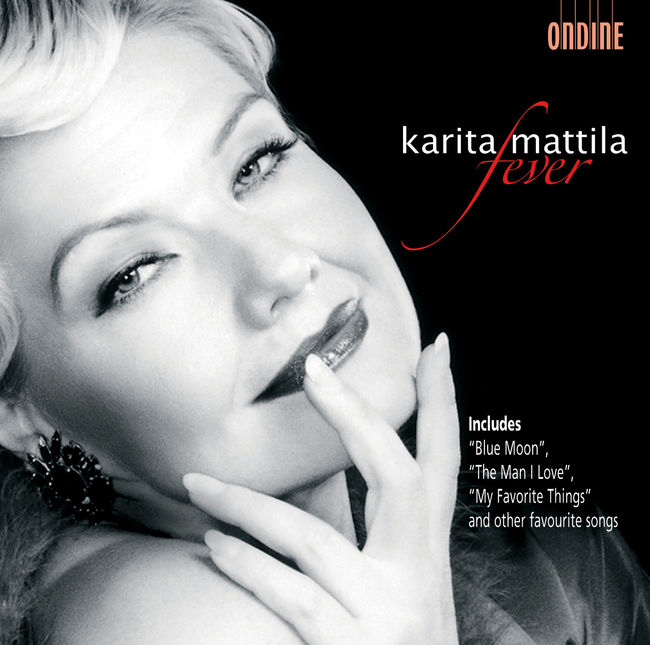 February 12, 2008
 -
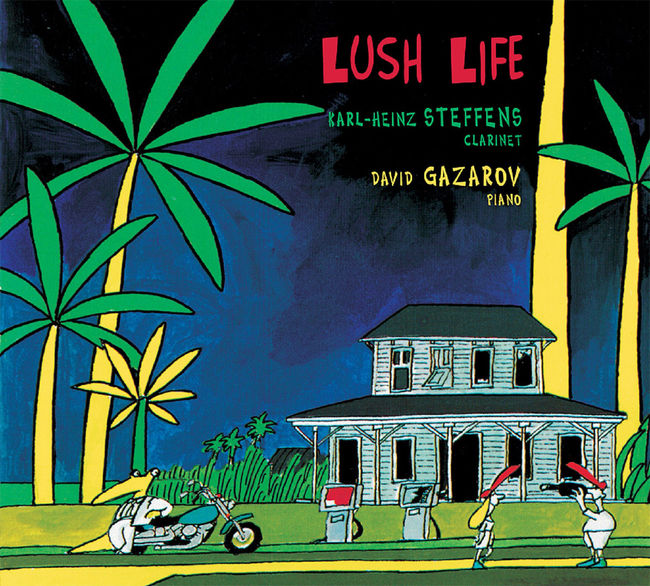 January 24, 2006
 -
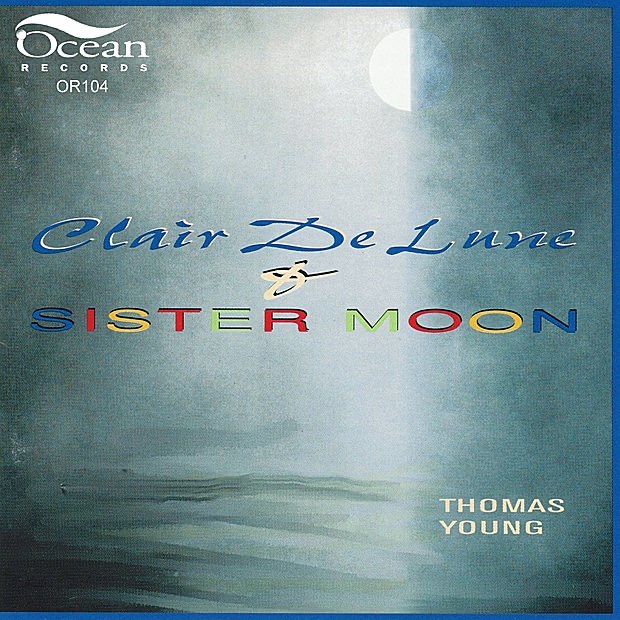 January 14, 1997
Chamber
-
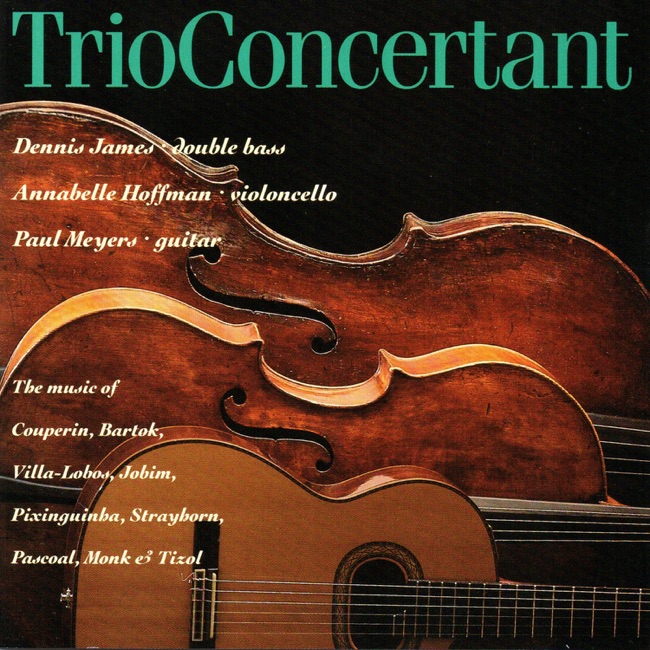 January 1, 1991
Artist Info
Role:ComposerCountry: United States of AmericaBirth:November 29, 1915 in Dayton, OHDeath:May 31, 1967 in New York City, NYBilly Strayhorn was an American jazz composer, pianist, and arranger who was born on November 29, 1915, in Dayton, Ohio. He was the fourth of nine children born to James Nathaniel Strayhorn and his wife, Lillian Young Strayhorn. His father was a coal miner, and his mother was a homemaker. Strayhorn grew up in a musical family, and his mother was his first piano teacher. Strayhorn's family moved to Pittsburgh, Pennsylvania, when he was nine years old. He attended Westinghouse High School, where he was a member of the school's orchestra and jazz band. He also played piano at local clubs and parties. In 1934, he met Duke Ellington, who was performing in Pittsburgh. Strayhorn gave Ellington some of his compositions, and Ellington was impressed. He invited Strayhorn to come to New York City to work with him. Strayhorn moved to New York City in 1939 and began working with Ellington. He became Ellington's collaborator and arranger, and the two men worked together for the next 28 years. Strayhorn's first composition for Ellington was "Something to Live For," which was recorded in 1939. He went on to write many other famous compositions, including "Take the A Train," "Lush Life," and "Chelsea Bridge." Strayhorn was openly gay, which was unusual for the time. He was also a civil rights activist and worked with Dr. Martin Luther King Jr. and other activists. He wrote the music for the 1961 civil rights musical "Beggar's Holiday." Strayhorn was diagnosed with esophageal cancer in 1964. He continued to work with Ellington until his death on May 31, 1967, in New York City. He was 51 years old. Strayhorn's music was characterized by its sophistication, elegance, and emotional depth. He was a master of harmony and melody and was known for his use of unusual chord progressions and complex harmonies. His compositions were often introspective and melancholy, reflecting his own struggles with his sexuality and his health. One of Strayhorn's most famous compositions is "Take the A Train," which he wrote in 1939. The song was originally written as a tribute to the New York City subway system, specifically the A train, which ran from Harlem to Brooklyn. Ellington recorded the song in 1941, and it became one of his signature tunes. The song's catchy melody and swinging rhythm made it an instant hit, and it has since become a jazz standard. Another famous Strayhorn composition is "Lush Life," which he wrote in 1938. The song is a haunting ballad that tells the story of a man who has lived a life of excess and regret. The song's lyrics are deeply personal and reflect Strayhorn's own struggles with his sexuality and his feelings of isolation and loneliness. The song has been recorded by many jazz musicians, including Johnny Hartman, Nat King Cole, and John Coltrane. Strayhorn's other famous compositions include "Chelsea Bridge," "Isfahan," and "Day Dream." His music has been recorded by many jazz musicians, including Ella Fitzgerald, Sarah Vaughan, and Billie Holiday. In conclusion, Billy Strayhorn was a talented and influential jazz composer who worked closely with Duke Ellington for nearly three decades. His music was characterized by its sophistication, elegance, and emotional depth, and he was a master of harmony and melody. Strayhorn's compositions, including "Take the A Train" and "Lush Life," have become jazz standards and continue to be performed and recorded by musicians around the world.More....
Recent Artist Music





Related Artists
Copyright Ⓒ 2013 Davinci Finger. All rights reseved
Service Terms & Policy