


Samuel Arnold
Released Album
Miscellaneous
-
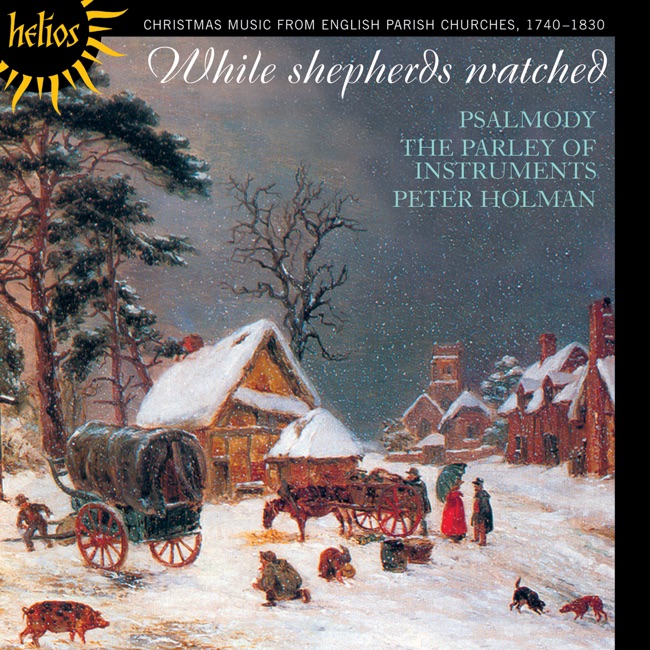 October 1, 1996
 -
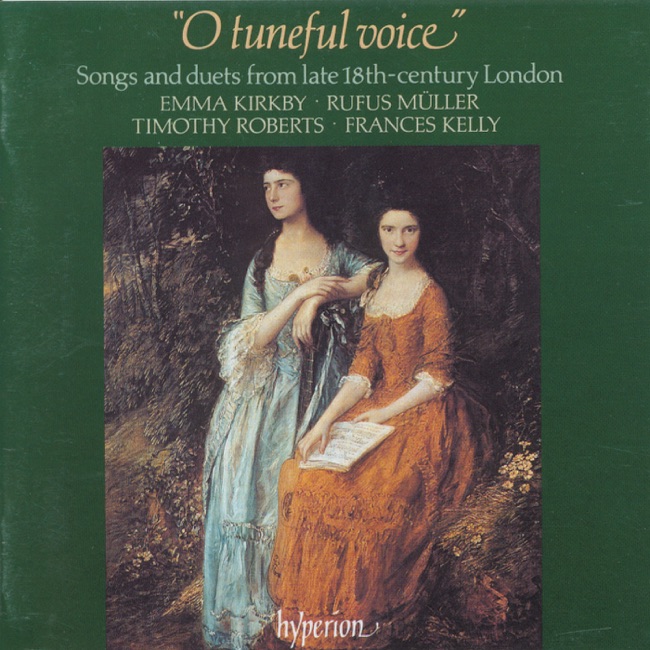 September, 1991
Opera
-
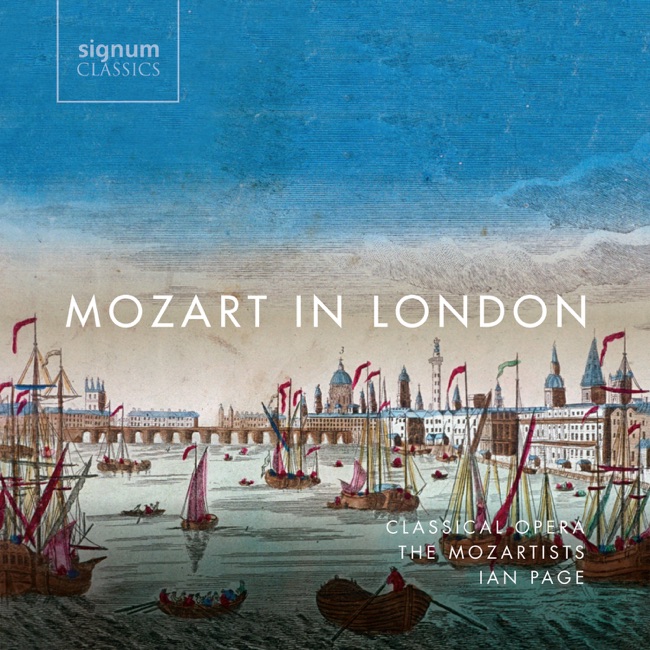 May 11, 2018
 -
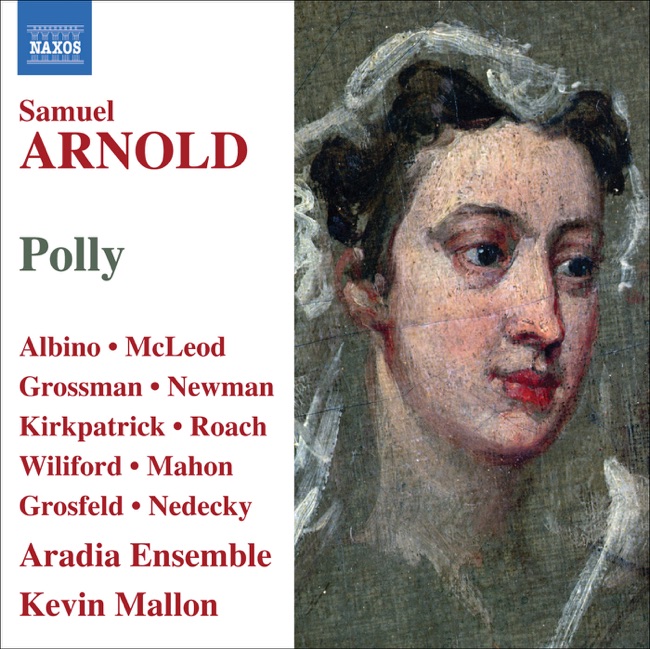 April 27, 2010
Vocal
-
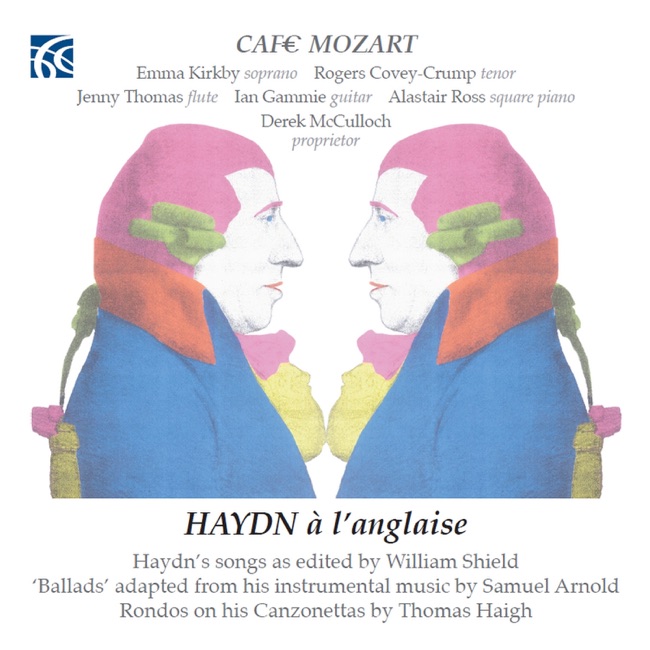 February 13, 2012
Orchestral
-
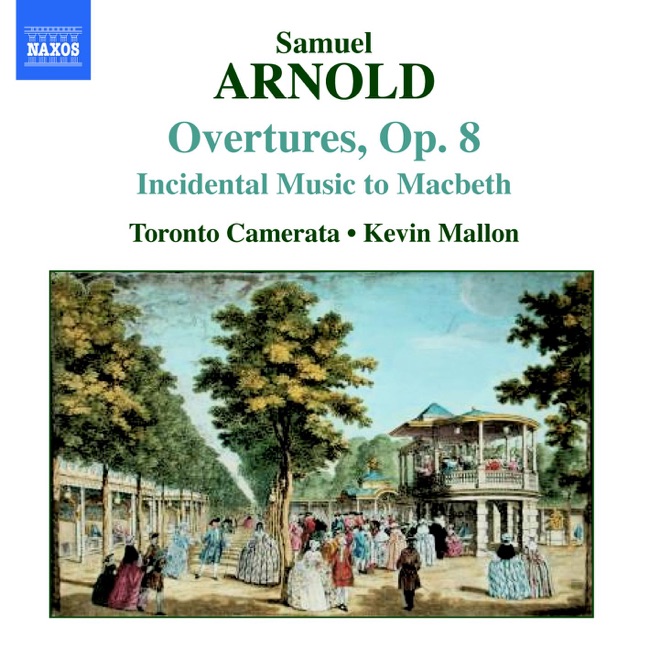 February 27, 2006
Artist Info
Role:ComposerCountry: United KingdomBirth:August 10, 1740 in London, EnglandDeath:October 22, 1802 in London, EnglandPeriod:ClassicalGenre:KeyboardOperaVocalSamuel Arnold was a British composer and organist who lived from 1740 to 1802. He was born in London, England, and showed an early interest in music. His father, also named Samuel Arnold, was a well-known composer and organist, and he likely played a significant role in his son's musical education. Arnold began his career as a chorister at the Chapel Royal, where he received training in composition and performance. He later became a pupil of the composer and organist Charles Burney, who was a close friend of his father. Burney introduced Arnold to the works of Handel, which had a profound influence on his own compositions. Arnold's first major work was a set of six sonatas for harpsichord, which he published in 1760. These works were well-received and helped establish his reputation as a composer. He went on to compose a wide variety of music, including operas, oratorios, cantatas, and instrumental works. One of Arnold's most significant contributions to music was his work as a music editor and arranger. He was responsible for editing and arranging many of Handel's works for publication, including the oratorio Messiah. He also edited and arranged works by other composers, such as J.S. Bach and Purcell. Arnold's own compositions were often influenced by Handel's style, but he also incorporated elements of other musical traditions, such as Italian opera and French dance music. His operas, in particular, were known for their lively and engaging melodies, as well as their dramatic flair. One of Arnold's most famous works is his oratorio The Prodigal Son, which was first performed in 1780. The work tells the story of the biblical parable of the prodigal son, and features arias, choruses, and recitatives. The music is characterized by its expressive melodies and dramatic contrasts, and the work was well-received by audiences and critics alike. Arnold also composed a number of instrumental works, including symphonies, concertos, and chamber music. His Symphony No. 6 in C major is particularly noteworthy for its use of a solo violin in the second movement, which was an unusual feature for a symphony at the time. In addition to his work as a composer, Arnold was also a respected organist and conductor. He held a number of positions throughout his career, including organist at St. George's Chapel in Windsor and conductor of the Academy of Ancient Music. Despite his many accomplishments, Arnold's music fell out of favor in the years following his death. However, in recent years there has been renewed interest in his work, and his music is once again being performed and recorded. Overall, Samuel Arnold was a talented and versatile composer who made significant contributions to the musical world. His work as a music editor and arranger helped to preserve and popularize the works of other composers, while his own compositions were characterized by their expressive melodies and dramatic flair.More....
Recent Artist Music
3
2:17
Copyright Ⓒ 2013 Davinci Finger. All rights reseved
Service Terms & Policy