


Pete Seeger

Artist Info
Role:Composer PerformerCountry: United States of AmericaBirth:May 3, 1919 in New York City, NYDeath:January 27, 2014 in New York City, NYPete Seeger was an American folk singer and songwriter who was born on May 3, 1919, in Patterson, New York. He was the son of Charles Seeger, a musicologist, and Constance de Clyver Edson Seeger, a concert violinist. His parents were both involved in the music industry, and this had a significant impact on his upbringing. Seeger grew up in a musical family, and he began playing the ukulele at the age of eight. He later learned to play the banjo and guitar, and he became interested in folk music. In 1936, he attended a concert by the famous folk singer Woody Guthrie, and this inspired him to pursue a career in music. Seeger attended Harvard University, where he studied sociology and music. He was a member of the Harvard Glee Club and the Harvard Lampoon, and he also played in a band called the Harvard Square Ramblers. After graduating in 1940, he moved to New York City and began performing in coffeehouses and clubs. In 1941, Seeger joined the Almanac Singers, a group of folk musicians who sang songs about social and political issues. The group was known for their left-wing politics, and they were often criticized for their views. Seeger left the group in 1942 to join the Army, where he served in the Pacific during World War II. After the war, Seeger returned to New York City and continued to perform as a solo artist. He also became involved in the labor movement and the civil rights movement, and he used his music to promote social and political change. In 1948, he formed the Weavers, a folk group that became popular in the 1950s. The Weavers had several hit songs, including "Goodnight Irene" and "On Top of Old Smoky." However, the group was blacklisted during the McCarthy era because of their left-wing politics. Seeger was called to testify before the House Un-American Activities Committee in 1955, but he refused to answer questions about his political beliefs. He was subsequently blacklisted from television and radio, and he was unable to perform in many venues. Despite the blacklisting, Seeger continued to perform and record music. He released several albums in the 1960s, including "We Shall Overcome," which became an anthem of the civil rights movement. He also wrote several songs that became popular during the anti-war movement, including "Where Have All the Flowers Gone?" and "If I Had a Hammer." Seeger was a prolific songwriter, and he wrote songs on a wide range of topics. He wrote songs about the environment, including "Garbage" and "Big Muddy," and he wrote songs about labor issues, including "Union Maid" and "Which Side Are You On?" He also wrote songs about love and relationships, including "Kisses Sweeter Than Wine" and "Turn! Turn! Turn!" Seeger was also an advocate for environmental causes, and he was involved in the Hudson River Sloop Clearwater, an organization that worked to clean up the Hudson River. He wrote a song called "Sailing Down My Golden River" about the organization, and he performed at many of their events. Seeger continued to perform and record music well into his 90s. He received numerous awards for his contributions to music and social activism, including the Grammy Lifetime Achievement Award in 1993 and the Kennedy Center Honors in 1994. He died on January 27, 2014, at the age of 94. In conclusion, Pete Seeger was a prolific songwriter and performer who used his music to promote social and political change.More....
Recent Artist Music
1
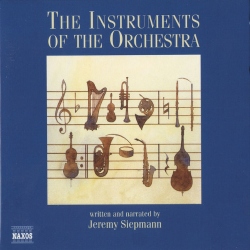
The Instruments of the Orchestra
Interlopers: And the guitar's poor American relative, the banjo. Includes excerpt from Seeger's Was
19



Copyright Ⓒ 2013 Davinci Finger. All rights reseved
Service Terms & Policy