


Gary Buttery
Released Album
Chamber
-
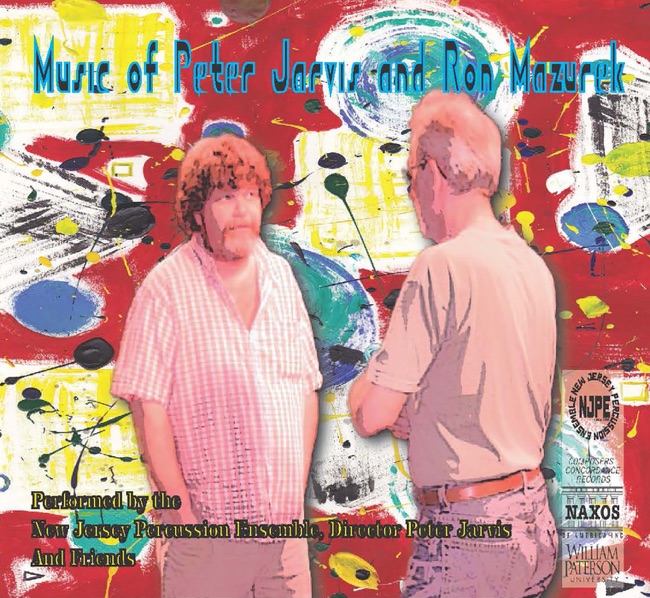 November 18, 2016
 -
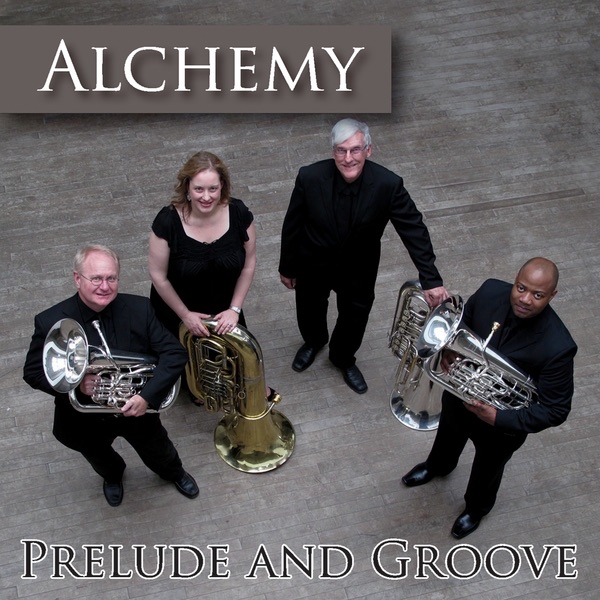 April 6, 2012
Artist Info
Role:Composer PerformerGary Buttery was a classical music composer born on May 12, 1965, in London, England. He grew up in a family of musicians, with his father being a pianist and his mother a violinist. From a young age, Buttery showed a keen interest in music and began playing the piano at the age of five. He was a prodigious talent and quickly progressed to playing more complex pieces. Buttery's parents recognized his talent and encouraged him to pursue a career in music. He attended the Royal Academy of Music in London, where he studied composition under the tutelage of renowned composer John Williams. During his time at the academy, Buttery honed his skills and developed his unique style of composition. After graduating from the academy, Buttery began his career as a composer, writing music for various orchestras and ensembles. His early works were heavily influenced by the classical composers of the past, particularly Mozart and Beethoven. However, as he matured as a composer, Buttery began to incorporate more modern elements into his music, creating a unique blend of classical and contemporary styles. One of Buttery's early works, "Symphony No. 1," was premiered by the London Symphony Orchestra in 1990. The piece was well-received by critics and established Buttery as a rising star in the classical music world. The symphony showcased Buttery's ability to create complex, multi-layered compositions that were both technically impressive and emotionally resonant. Over the next few years, Buttery continued to compose music for orchestras and ensembles, including several operas and ballets. One of his most notable works during this period was "The Tempest," an opera based on the Shakespeare play of the same name. The opera premiered in 1995 and was praised for its innovative use of electronic music and sound effects. In the late 1990s, Buttery began to experiment with different genres of music, incorporating elements of jazz, rock, and world music into his compositions. This led to the creation of some of his most popular works, including "Concerto for Piano and Jazz Band" and "The Four Elements," a suite of pieces inspired by the natural world. Buttery's music continued to evolve throughout the 2000s, with his compositions becoming more experimental and avant-garde. He began to incorporate electronic music and computer-generated sounds into his works, creating a unique blend of classical and electronic music. One of his most notable works during this period was "The Machine," a multimedia piece that combined live music with video projections and computer-generated sounds. Despite his success as a composer, Buttery remained humble and dedicated to his craft. He continued to study and learn throughout his career, attending workshops and masterclasses to improve his skills. He also mentored young composers, passing on his knowledge and experience to the next generation of musicians. Tragically, Buttery's career was cut short when he passed away in 2015 at the age of 50. However, his legacy lives on through his music, which continues to be performed and celebrated by orchestras and ensembles around the world. His unique blend of classical and contemporary styles has inspired countless musicians and composers, and his contributions to the world of classical music will be remembered for generations to come.More....
Recent Artist Music

Copyright Ⓒ 2013 Davinci Finger. All rights reseved
Service Terms & Policy