


Tikhon Khrennikov
Released Album
Concerto
-
 October 4, 2017
 -
 October 3, 2017
 -
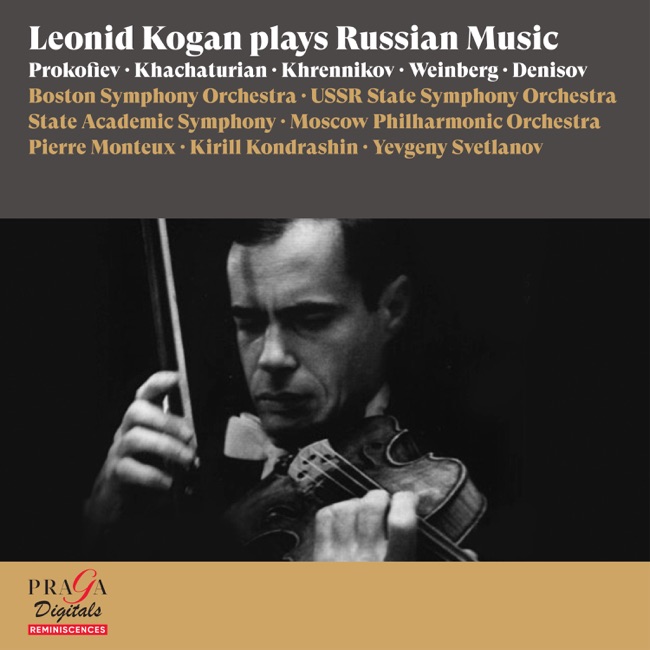
-
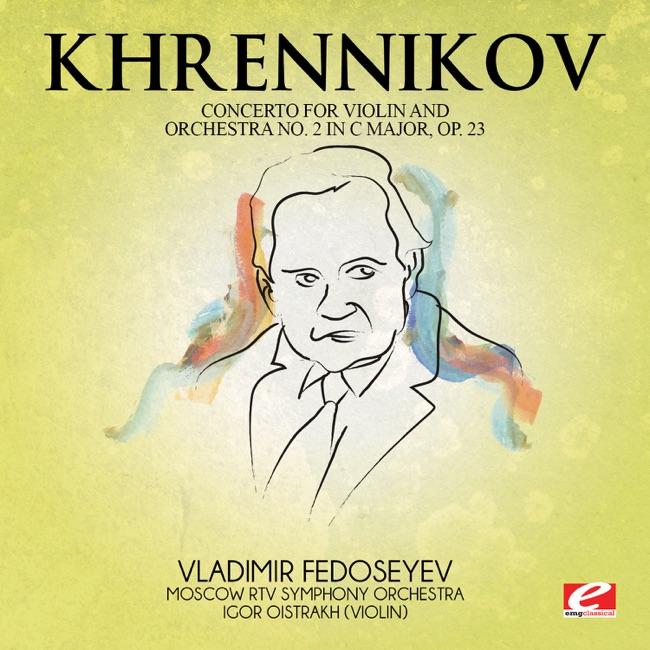
-
-
 May 30, 2012
Ballet
-
 February 22, 2000
 -
Symphony
-
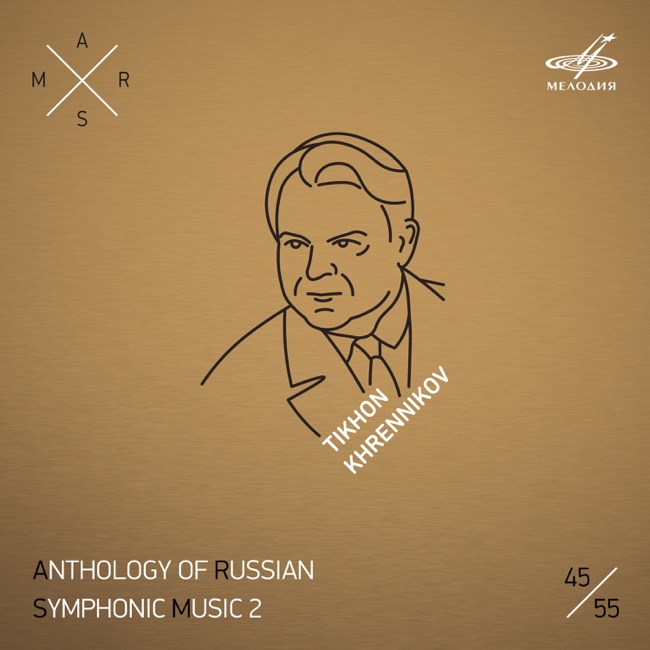 September 26, 2017
 -
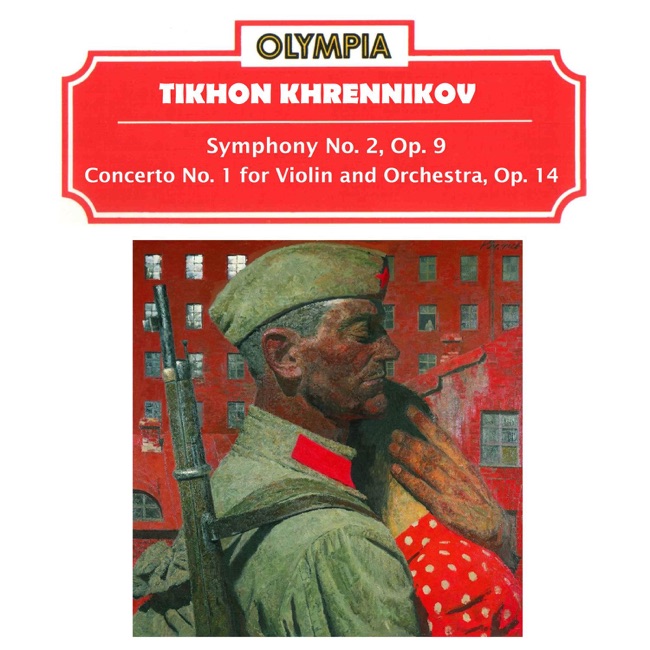 October 10, 1988
Vocal
-
 August 14, 2012
Artist Info
Role:Composer PerformerCountry: RussiaBirth:June 10, 1913 in Elets, Orlov Province, RussiaDeath:August 14, 2007 in Moscow, RussiaPeriod:ContemporaryModernGenre:BalletConcertoVocalTikhon Khrennikov was a prominent Soviet composer, pianist, and politician who was born on June 10, 1913, in Yelets, Russia. He was the son of a railway engineer and a music teacher, and his family moved to Moscow when he was a child. Khrennikov showed an early interest in music and began studying piano at the age of five. He later studied composition at the Moscow Conservatory, where he was a student of Nikolai Myaskovsky and Vissarion Shebalin. Khrennikov's early compositions were influenced by the works of Sergei Prokofiev and Dmitri Shostakovich, but he soon developed his own style, which was characterized by a strong sense of melody and rhythm. His first major success came in 1936 with the premiere of his Symphony No. 1, which was well-received by both audiences and critics. He went on to compose a number of other works in the 1930s and 1940s, including several operas, ballets, and film scores. During World War II, Khrennikov served in the Red Army and composed patriotic music to boost morale. He also wrote several works that were inspired by the war, including his Symphony No. 4, which was dedicated to the Soviet soldiers who fought in the Battle of Stalingrad. After the war, Khrennikov became increasingly involved in Soviet politics and was appointed to a number of high-profile positions, including the head of the Union of Soviet Composers. Khrennikov's political activities often put him at odds with other Soviet composers, particularly those who were more avant-garde in their approach to music. He was a vocal critic of composers such as Igor Stravinsky and Arnold Schoenberg, whom he accused of producing "formalist" music that was out of touch with the needs of the Soviet people. Khrennikov's views on music were closely aligned with those of Joseph Stalin, who believed that music should be accessible to the masses and should serve the interests of the state. Despite his controversial political views, Khrennikov continued to compose throughout his career and produced a number of works that are still performed today. Some of his most notable compositions include his Symphony No. 2, which was inspired by the Russian Revolution, and his Piano Concerto No. 2, which was dedicated to the memory of his friend and fellow composer Sergei Prokofiev. Khrennikov also wrote several operas, including The Mother, which was based on the novel by Maxim Gorky, and Into the Storm, which was inspired by the life of the Soviet pilot Valery Chkalov. Khrennikov's music is characterized by its strong sense of melody and rhythm, as well as its use of traditional Russian folk melodies and themes. His works often feature bold, sweeping melodies that are supported by lush orchestration and complex harmonies. Khrennikov was also known for his skill as a pianist, and he often performed his own works in concert. In addition to his work as a composer, Khrennikov was also a prolific writer and wrote several books on music and politics. He was a strong advocate for the Soviet system of music education, which emphasized the importance of music as a tool for social and political change. Khrennikov's political views often put him at odds with other Soviet composers, and he was criticized by many for his support of the Soviet regime. Despite his controversial political views, Khrennikov remained a respected figure in the Soviet music world throughout his career. He was awarded numerous honors and awards, including the Order of Lenin and the Stalin Prize.More....
Recent Artist Music
5
2:28
6
4:5
9
2:28
13
4:4
14
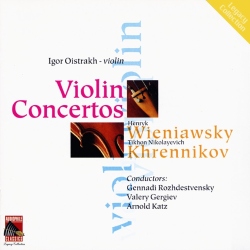
2:28
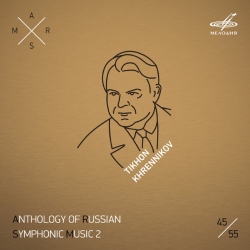
Copyright Ⓒ 2013 Davinci Finger. All rights reseved
Service Terms & Policy