


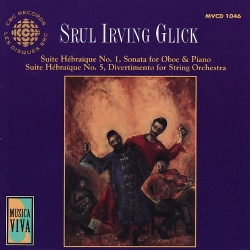
Srul Irving Glick
Released Album
Chamber
-
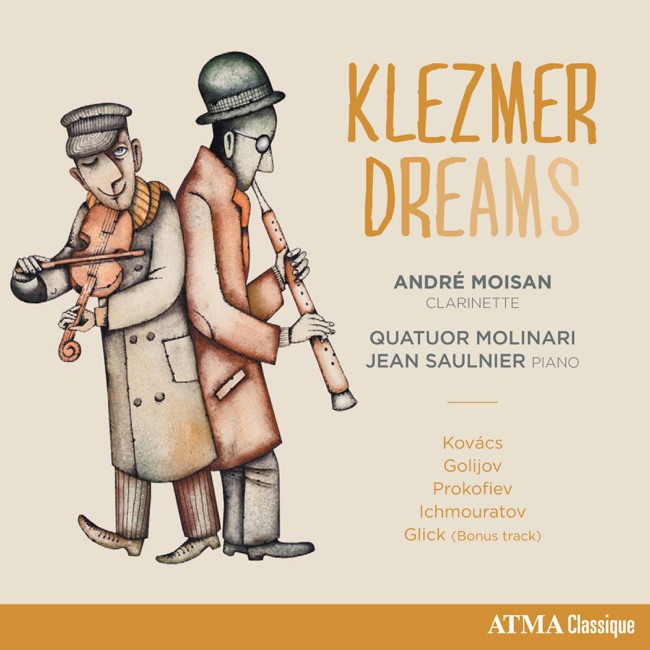 September 15, 2017
 -
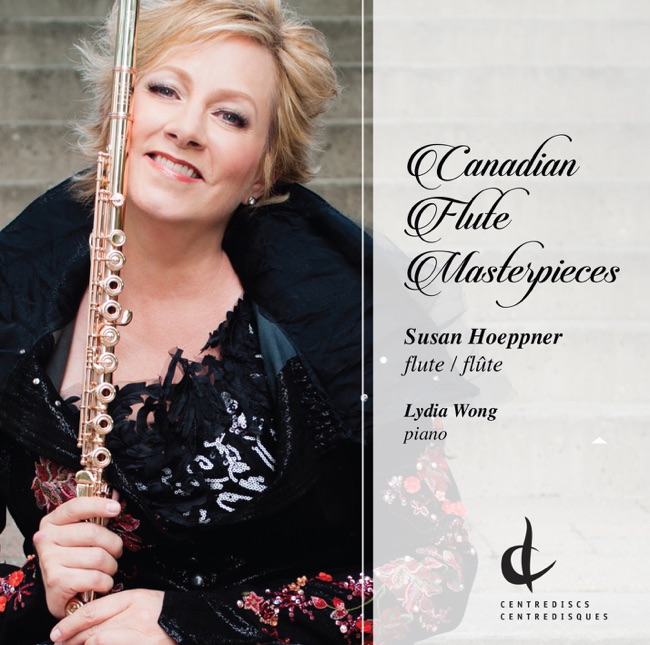 November 11, 2016
 -
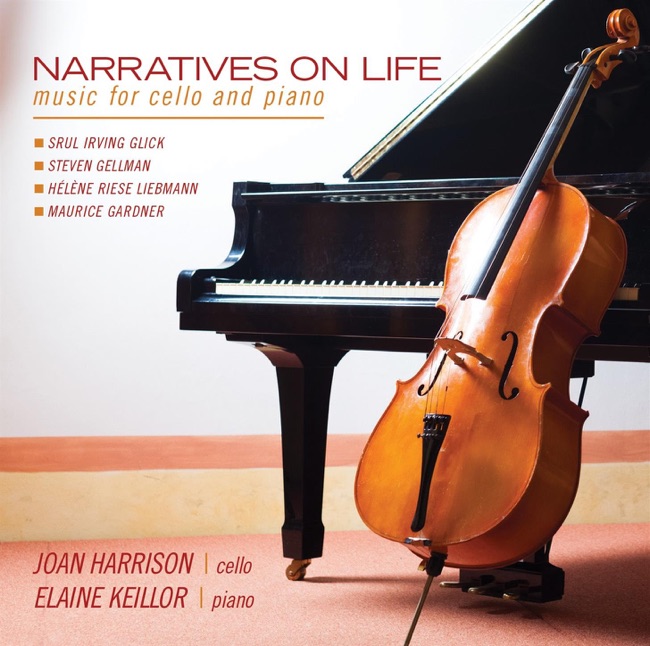 February 26, 2016
 -
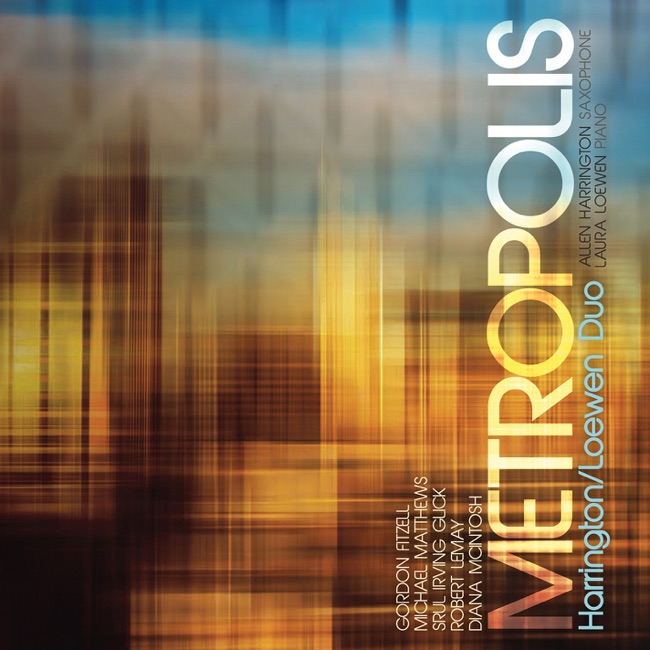 June 10, 2014
 -
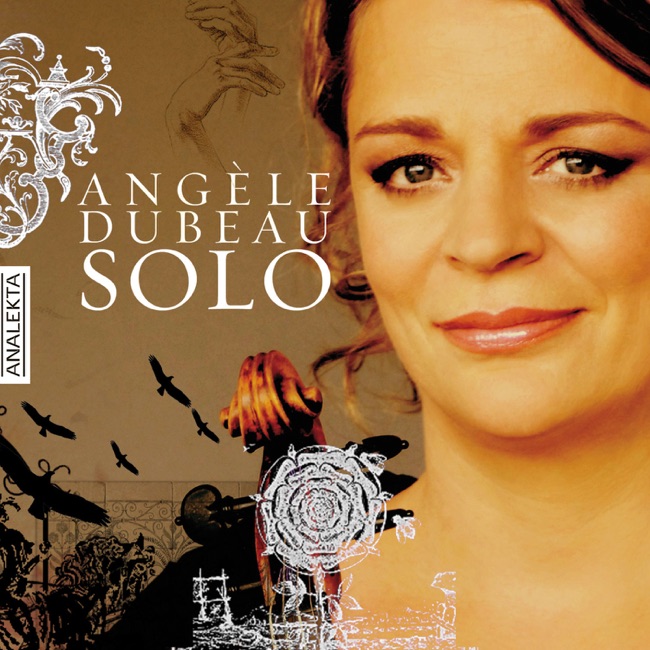 February 6, 2007
 -
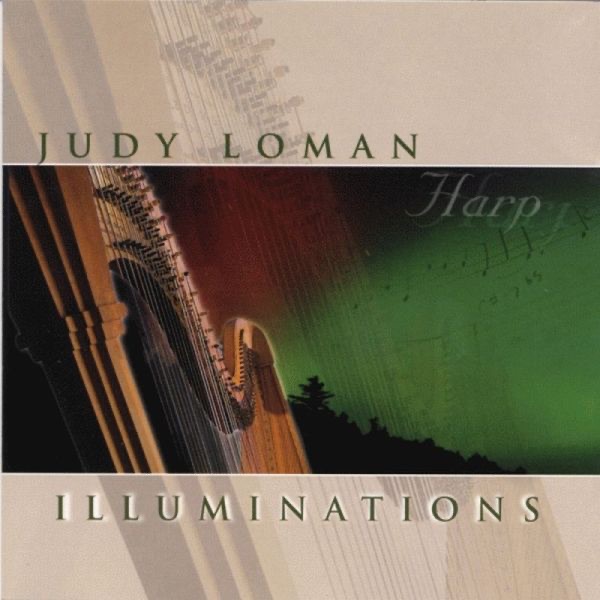 January 30, 2007
Choral
-
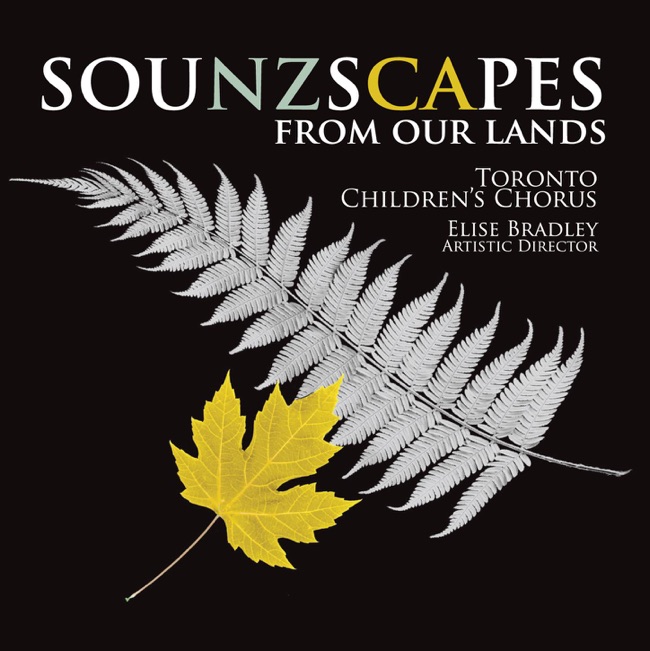 July 2, 2013
 -
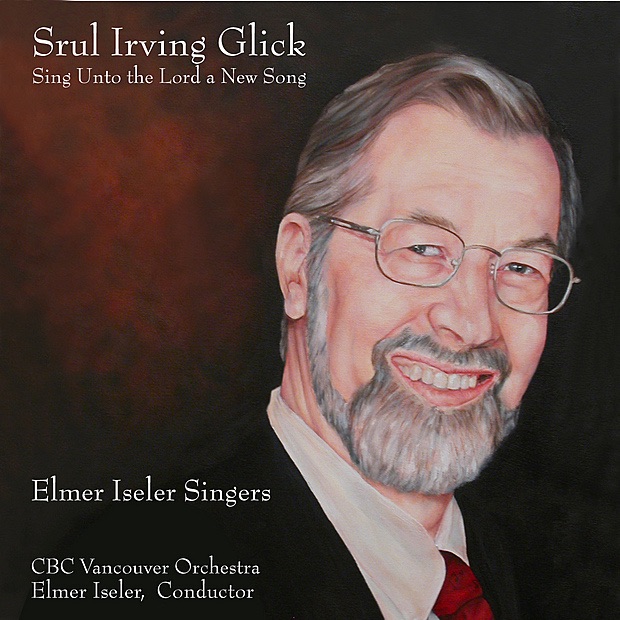 January 27, 2009
 -
 March 7, 2003
 -
 July 1, 2001
 -
 July 1, 2001
 -
 September 12, 2000
Vocal
-
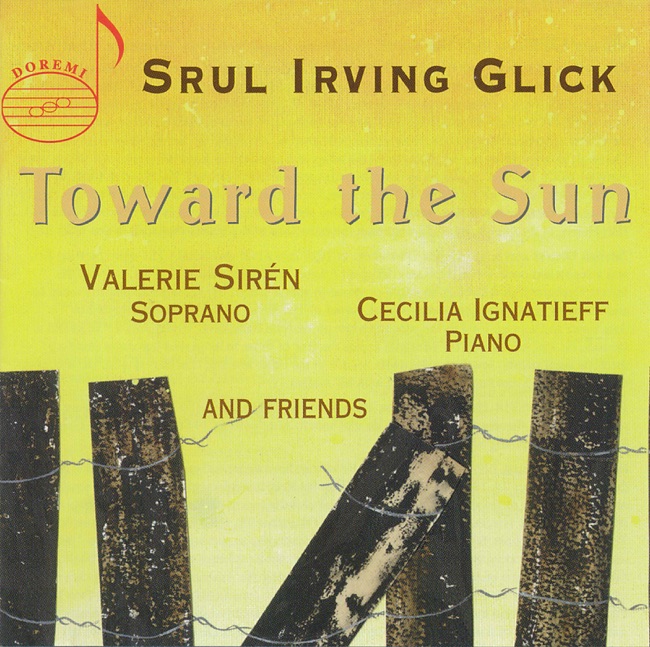 April 3, 2006
 -
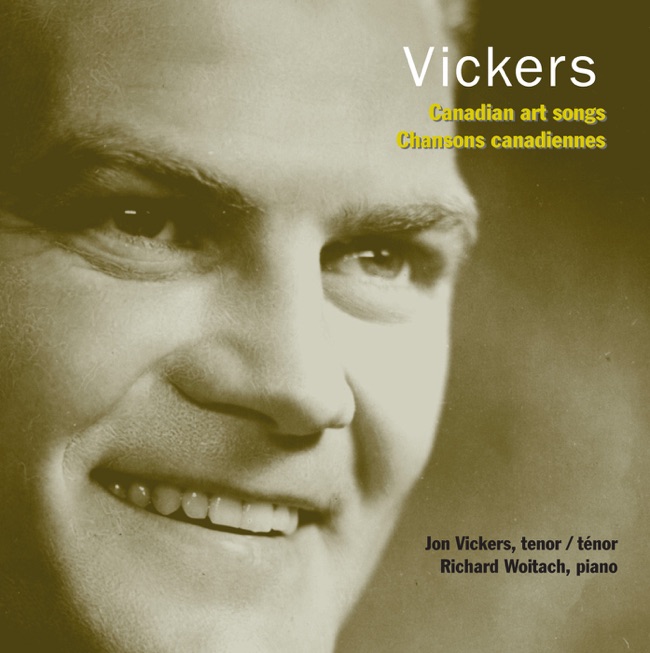 October 27, 1998
Artist Info
Role:ComposerCountry: CanadaBirth:1934Death:2002Period:RomanticContemporaryModernGenre:ChamberChoralVocalSrul Irving Glick was a Canadian composer of classical music, known for his works that were inspired by Jewish themes and traditions. He was born on March 24, 1934, in Toronto, Canada, to parents who were both immigrants from Eastern Europe. His father was a cantor, and his mother was a pianist, which exposed Glick to music from a young age. Glick began his musical education at the Royal Conservatory of Music in Toronto, where he studied piano and composition. He later continued his studies at the University of Toronto, where he earned a Bachelor of Music degree in 1956 and a Master of Music degree in 1958. Glick's early compositions were influenced by the works of composers such as Igor Stravinsky and Bela Bartok, but he soon began to incorporate Jewish themes and melodies into his music. This was partly due to his upbringing in a Jewish household and his exposure to Jewish liturgical music through his father's work as a cantor. One of Glick's early works, "The Hour Has Come," was written in 1958 and was based on the Jewish liturgical text of the same name. The piece was well-received and helped establish Glick as a composer with a unique voice. Throughout his career, Glick continued to explore Jewish themes in his music, often drawing on traditional melodies and texts. One of his most famous works is "The Klezmer's Wedding," a suite for orchestra that was first performed in 1983. The piece is based on traditional Jewish wedding music and features lively dance rhythms and virtuosic solos for various instruments. Another notable work by Glick is "The Hour of the Soul," a cantata for choir and orchestra that was first performed in 1994. The piece is based on the Jewish liturgical text of the same name and explores themes of repentance and forgiveness. In addition to his works inspired by Jewish themes, Glick also wrote a number of pieces that were more abstract in nature. One such work is "The Transfiguration," a piece for string orchestra that was first performed in 1979. The piece is based on the biblical story of the transfiguration of Jesus and features lush harmonies and soaring melodies. Glick's music was well-received both in Canada and internationally, and he received numerous awards and honors throughout his career. In 1991, he was awarded the Order of Canada, one of the country's highest honors, for his contributions to Canadian music. Glick continued to compose music until his death in 2002 at the age of 68. His legacy lives on through his music, which continues to be performed and recorded by musicians around the world.More....
Recent Artist Music


Copyright Ⓒ 2013 Davinci Finger. All rights reseved
Service Terms & Policy